

In this article, we explore the different ways the COVID-19 pandemic has impacted NHS staff and patients…
The COVID-19 pandemic has presented an unprecedented healthcare challenge to an already underfunded and under-resourced NHS. In Wales, a new report published by the public spending watchdog found that the NHS could take up to 7 years to return to its waiting list pre-pandemic levels.
In addition to this, the report found that there are 550,000 “potentially missing referrals” in Wales that could find their way back into the system and have a “major effect” on waiting list recovery. Due to the increasingly high demands placed on healthcare workers and the NHS becoming more and more overstretched, many patients are not receiving the care they need. This is seeing medical negligence solicitor in Wales with thousands of cases to deal with.
In the article below, we discuss how exactly the COVID-19 pandemic has impacted the NHS in Wales. We explore things such as practitioner burnout, increased waiting times and staff shortages. Take a look…
Record Waiting Lists
On Friday 27th April 2022, First Minister Mark Drakeford announced an end to all
Coronavirus regulations to end in Wales since the restrictions first began in March 2020.
Data from Public Health Wales shows coronavirus infections in the country have been steadily falling over the last two months, so it would appear things are heading back to normality.
However, recent reports published have found that patients may have to endure prolonged waiting times for an appointment. With 53% of people have been waiting over 26 weeks for treatment.
In response to the backlog, the Welsh Government has set out a list of targets:
- No one waiting for longer than a year for their first outpatient appointment by end of 2022.
- Eliminate the number of people waiting longer than two years in most specialities by March 2023.
- Eliminate the number of people waiting longer than one year in most specialities by spring 2025.
- Cancer diagnosis and treatment to be undertaken within 62 days for 80% of people by 2026.
- The pandemic has been the most frequently cited reason for the NHS backlog in Wales. However, others have pointed out the closure of community hospitals in the mid 2000’s and the UK government’s continued underfunding of the NHS, are also to blame for staffing shortages and patients not receiving the care they need.
Postponing Appointments and Planned Treatment
During the pandemic, NHS services across Wales had to postpone many patients’ appointments and non-urgent planned treatment. Staffing shortages and high patient demand meant that many routine referrals and outreach appointments were postponed.
In the past year, a survey by Pulse magazine found that, 1 in 3 GP practices were even forced to stop routine appointments.
Shifting Appointments Online
NHS hospitals across Wales re-designed many of their services on a large scale to free up staff and bed for COVID-19 patients.
In doing so, they had to scale back on non-emergency care and instead redirected a number of patients to online and mobile referrals and services. Patients were also encouraged to call 111 instead of going to a GP if they had any COVID symptoms.
Patients with Long-term and Terminal Conditions
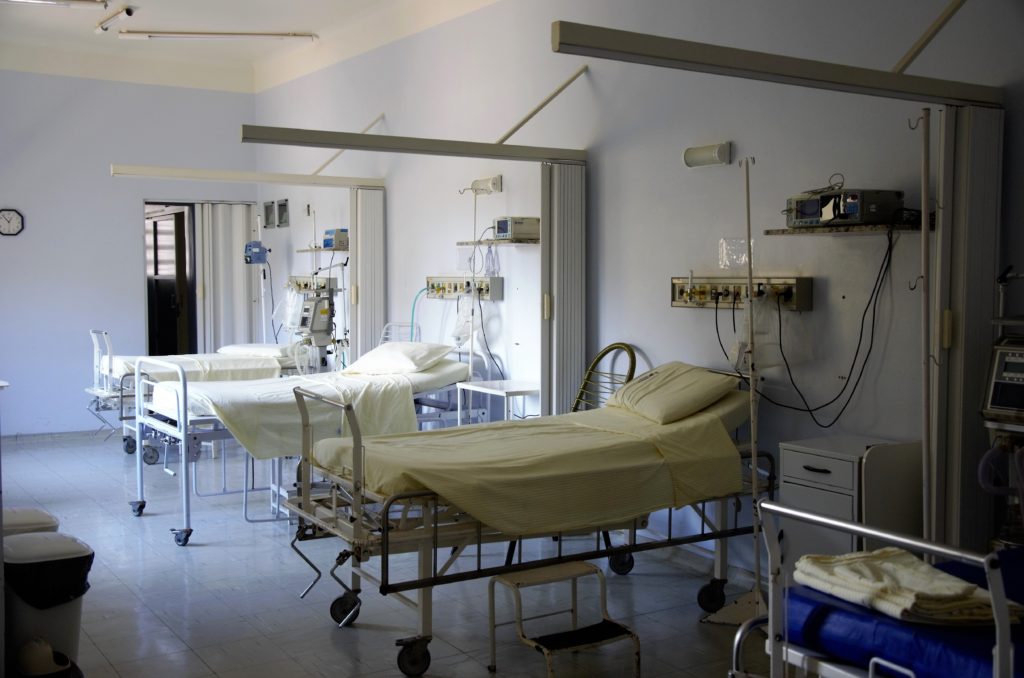
Whilst it was mainly non-urgent medical care, which was postponed, many cancer and cardiology patients were still affected by the NHS and the COVID-19 pandemic.
Earlier this year the cancer research charity, Macmillan, revealed that a minimum of 30,000 residents in the UK are still waiting for vital cancer treatment. Not including, many more awaiting diagnoses due the NHS backlog.
During the pandemic, many people were scared of contracting the COVID-19. It was even cited on a number of occasions that patients who had long-term or terminal health conditions were even avoiding hospitals and GPs. In return, this meant they missed out on important on appointments and surgery.
The Health Foundation and Ipsos Mori polling found, in June 2020, that 47% of people felt uncomfortableusing their local hospital in the short term. Also, 76% would be concerned about being exposed to COVID-19 in England and Wales.
Mental Health
The pandemic induced a considerable amount of fear, stress and anxiety into many people across the globe. Isolation also meant feelings of loneliness and depression increased for a number of people who could not go about their usual day-to-day activities.
The mental health charity, Mind, surveyed 120,000 people across England and Wales since the beginning the pandemic. They found that around a 1/3 of adults felt their mental health has got “much worse” since April 2020.
Practitioner Burnout
Health care professionals are amongst those who have really felt the mental burden of the pandemic. International research has indicated that many healthcare workers have experienced depression, anxiety, post-traumatic stress symptoms and greater burnout.
Unmanageable workloads and staffing shortages coupled with an increasing patient demand brought on by the pandemic are thought to be at heart of why many doctors and nurses are feeling exhausted and burnout.
Jefferson’s medical review in GP wellbeing throughout the pandemic found evidence that the COVID-19 pandemic has adversely affected GPs’ wellbeing around the world.
The Effects of COVID-19 on the Welsh NHS is Ongoing…

It is clear the COVID-19 pandemic presented a number of difficult challenges and hurdles to NHS staff and patients in Wales. From record waiting lists to practitioner burnout, the NHS felt some of its gravest impact yet during the pandemic.
As a result of the increasingly high demands put on healthcare workers and the NHS being completely under-resourced, a lot of patients have been denied the healthcare they deserve. It is important that if you feel you have received substandard medical care you speak to a solicitor who can guide you through the process of a making a claim.
