

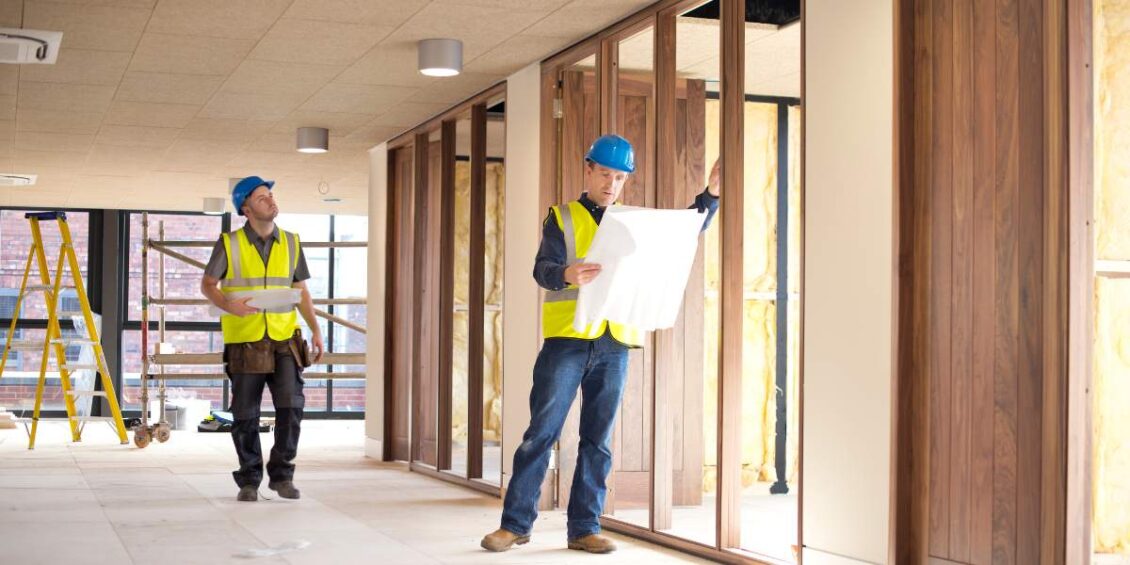
Office fit-out refers to the process of making an interior space suitable for occupation. It covers everything necessary to transform a raw shell into a functional, well-designed working environment. Typically, this process is categorised into shell, core, Cat A, and Cat B fit-outs. Each presents specific challenges and offers distinct benefits. Clarity regarding these stages helps stakeholders plan effectively and allocate budgets with confidence.
Shell fit out
Shell fit-out typically describes the initial state of a building, where the structure, exterior walls, roof, and floors are complete. Services such as plumbing, heating, and electricity are often brought to a designated connection point rather than fully installed. Space remains largely unfinished inside. This stage gives tenants maximum flexibility to shape the interior. It suits those willing and able to design and build according to their precise specifications. Reviewing shell fit-out options helps clarify what projects require when starting from this framework.
Core fit out
Core refers to the shared elements of a building, such as lobbies, staircases, elevators, and bathrooms. In a core fit-out, developers ensure these components are completed to a high standard before tenant fit-out begins. This approach avoids duplication of cost and effort across tenants in multi-occupant buildings. It also eliminates confusion about who is responsible for what. Knowing how shell, core, Cat A, and Cat B relate is essential. A guide about the different types of office fit out including shell, core, Cat A, and Cat B, gives clarity on how responsibilities are shared and how design evolves as each stage progresses.
Cat A fit out
Cat A fit-out represents the first stage of tenant fit-out. At this point, the space is transformed from a basic shell or core condition into a more complete layout. Installation typically includes raised floors, suspended ceilings with integrated lighting, heating, ventilation, and air conditioning, as well as basic electrical and data provisions, and interior walls where necessary. Spaces may still lack decorative finishes, furniture, or branding. Cat A creates opportunities for tenants to move in with functional infrastructure in place, while retaining the freedom to customise decoration and layout to align with their identity and working habits.
Cat B fit out
Cat B fit-out takes the process further by adding elements that reflect a tenant’s specific brand, culture, and operational requirements. This stage encompasses custom partition layouts, specialised lighting design, bespoke furniture, branding graphics, and high-quality finishes, including flooring and paint. Amenities may include kitchens, meeting rooms, and breakout areas. At this stage, a space feels complete and welcoming. Cat B is committed to creating a customised environment that fosters productivity and well-being, in line with the company’s values.
Benefits of understanding fit-out categories
Awareness of fit-out categories enhances project planning and management. Starting from the shell or core offers flexibility, but it requires a significant investment in design and construction. Cat A fit-out ensures that building services are ready for use, lowering the entry barrier for tenants who want to create their own workspace. Cat B takes design to the next level, enabling companies to deliver brand-aligned, functional spaces that support day-to-day activities with impact.
Clarifying these categories also assists with budgeting. Costs for the shell and core stage depend on how much structural and servicing work remains. Cat A costs are relatively predictable based on standard installations. Cat B costs can vary widely depending on custom design and finishes. Reviewing guidance on different types of office fit-out, such as shell core Cat A and Cat B, provides insight into how investment evolves across fit-out stages to meet needs and aspirations.
Awareness of fit-out stages also helps in planning timelines. Shell or core projects may require extensive construction, service installation, and coordination. Completing Cat A involves installing essential infrastructure and preparing the space, typically at a faster pace than shell or core. Cat B delivery depends on design complexity and fit-out schedule, which may involve bespoke furniture, joinery, and branding elements.
Choosing the right approach
Selecting the right fit-out stage depends on project goals. Start with the shell or core when the tenant’s needs are unique and there are fewer concerns about initial setup. Cat A suits fast move-in with basic infrastructure in place, while leaving flexibility for personalisation. Cat B is the right route for organisations seeking a polished, brand-connected workplace ready for teams to inhabit from day one.
Many decision-makers find it helpful to consult guidance on the different types of office fit-out, including shell core Cat A and Cat B, to clarify what each stage entails and how it transfers responsibilities between landlord and tenant.
Final thoughts
Office fit-out evolves through a series of stages. Starting from the shell or core determines how much work remains before occupation. Cat A delivers fundamental infrastructure for a technical or functional base. Cat B transforms a space into a home for creativity, collaboration, and brand expression. Selecting a stage aligned with vision and practical needs ensures efficient delivery and an office that supports work, well-being, and company culture.
Exploring the different types of office fit-outs, specifically Cat A and Cat B, helps chart the path from bare framework to a thriving workplace. Guidance on these stages enables confident planning of schedules, budgets, and design to meet individual organisational needs.
