

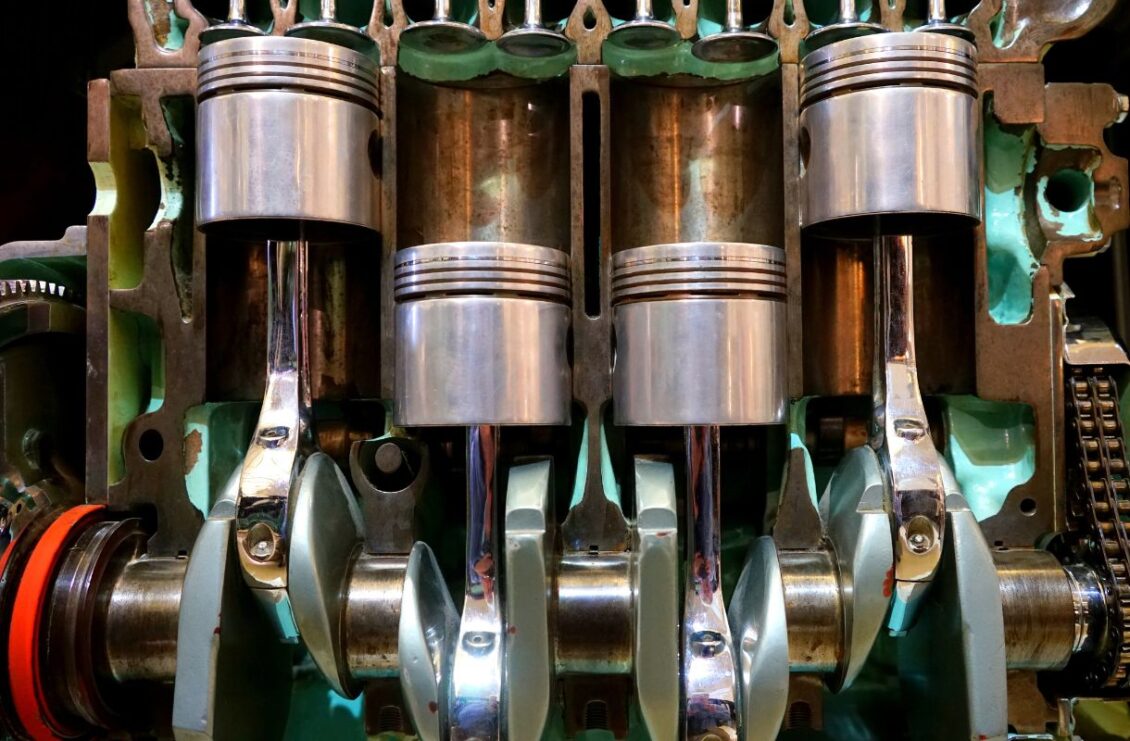
Filling thick products accurately is one of the most common challenges in packaging operations. Creams, gels, sauces, pastes, and heavy syrups behave very differently from water or alcohol based liquids. They resist flow, trap air, and change viscosity with temperature and batch variation. When the filling method is not matched to the product, the result is slow cycles, inconsistent volumes, and rising waste. This article explains why piston fillers consistently outperform pump based systems when handling viscous products, and how the right filling technology improves accuracy, speed, and long term line efficiency.
Why Thick Products Are Hard to Fill Consistently
A volumetric piston filler highlights the core problem with thick products, viscosity makes flow unpredictable. Heavy products do not move smoothly through hoses and valves. They stretch, string, and compress under pressure. Small changes in temperature or formulation can shift flow resistance enough to affect fill volume. Air pockets form easily and collapse late in the cycle, leading to underfills and drips. Sticky textures cling to internal surfaces and delay cutoff timing. These effects compound at higher speeds, making consistency difficult unless the filling method can control volume directly rather than relying on flow alone.
Pistons vs Pumps, The Core Difference in How They Move Product
The fundamental difference lies in how volume is created. A piston filler is a positive displacement device. Each stroke draws in and dispenses a fixed, measurable volume regardless of viscosity. Pump systems depend on moving product through a rotating or oscillating element, where flow rate is influenced by suction limits, internal slip, backpressure, and product thickness. With thin liquids, both methods perform well. With thick materials, pumps struggle to maintain stable flow, while pistons deliver the same volume stroke after stroke. This mechanical certainty is why pistons dominate high viscosity applications.
Accuracy and Repeatability, Where Pistons Win
Accuracy is where pistons establish a clear advantage. Because volume is set by cylinder size and stroke length, changes in product resistance have minimal effect on delivered volume. This matters when product temperature fluctuates or when batches vary slightly in solids content. Pump systems often require constant retuning to maintain net content compliance. Pistons reduce overfill and underfill without frequent adjustment. In regulated industries, this repeatability simplifies quality control and lowers the risk of rejected lots and rework.
Handling Chunky or Shear Sensitive Products Without Breaking Texture
Many thick products contain particulates or fragile structures. Salsa, soups, cosmetic scrubs, and textured creams must move gently to avoid separation or damage. Properly designed piston systems use straight product paths, wide valves, and low shear motion. This preserves texture and prevents particle bridging. Some pump types can shear delicate products when operated at higher speeds. Matching piston diameter, valve style, and nozzle geometry to particle size protects product integrity while maintaining consistent dosing.
Speed and Line Efficiency, When the Filling Method Controls Throughput
Throughput depends on cycle stability more than peak speed. Pistons maintain consistent cycle times even as product properties drift. Pumps may slow, cavitate, or lose prime when viscosity increases or when product supply is inconsistent. Multi head piston machines scale easily for higher output without sacrificing accuracy. Fewer stoppages and less tuning between runs translate directly into higher effective line speed and better overall equipment effectiveness.
Cleanup, Changeovers, and Sanitation Considerations
Cleanup time is a hidden cost in thick product filling. Long hoses and pump cavities trap product and extend wash cycles. Piston fillers typically use shorter, simpler product paths that drain more completely. Tool less disassembly, quick disconnects, and clean in place compatibility reduce downtime between batches and flavors. Faster changeovers allow shorter runs without penalty, which is increasingly important in facilities with many SKUs and frequent product switches.
Maintenance and Total Cost, What Facilities Teams Care About
Maintenance favors simplicity. Piston systems rely on seals, O rings, and valves with predictable wear patterns. Replacement intervals are easy to plan and spare parts are inexpensive. Pump systems may require more frequent attention depending on product chemistry, abrasiveness, and operating speed. Over time, the cost difference shows up not only in parts, but in lost production during troubleshooting and adjustment. Facilities teams value equipment that behaves consistently and fails in predictable ways.
How to Choose the Right Piston Filling Setup for Your Product
Start by defining viscosity range, temperature variation, and particle size. Specify target volume, acceptable tolerance, and required speed. Test fill with real product under production conditions. Select cylinder size and valve style to match flow behavior. Plan for sanitation and changeovers early. When the filling method matches the product, pistons deliver the accuracy, speed, and reliability that thick product lines depend on.
