

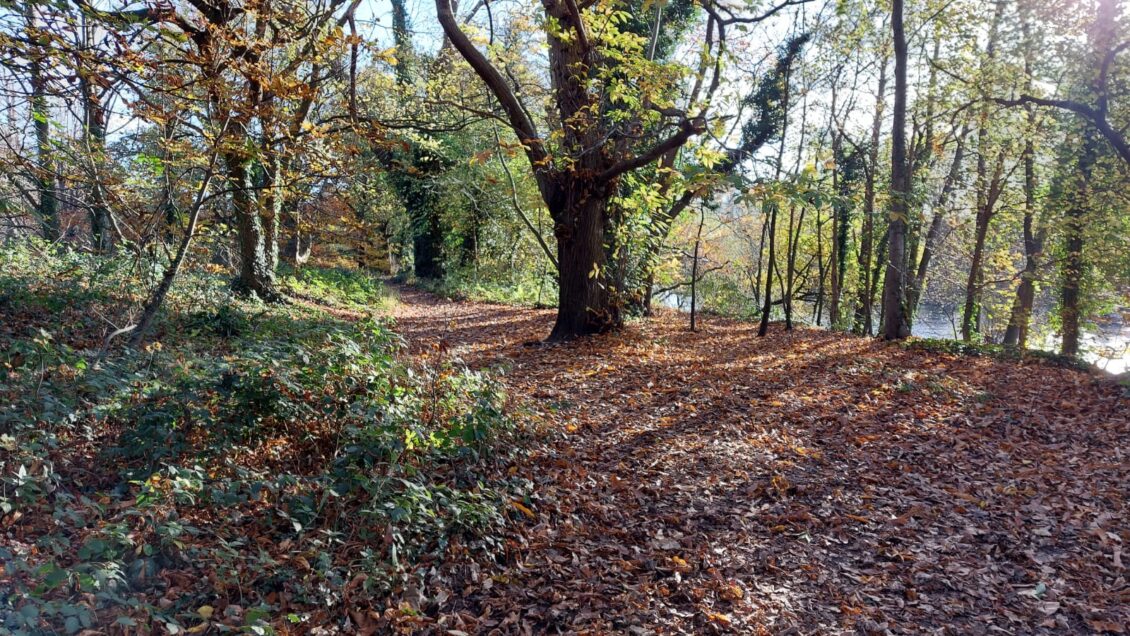
Work to improve the health of woodland at a Site of Interest for Nature Conservation (SINC) in Bute Park is due to begin next week.
The work, which is part of a long-term woodland management plan that has been developed for the ancient semi-natural woodland at Blackweir, aims to enhance biodiversity in the woodland, improve its structure, manage ash dieback to ensure public safety, and maintain the features of the historic park.
Similar woodland management plans are also being developed for woodland at Forest Farm, Nant Fawr, Howardian, and Heath Park. The plans will support a future application to Welsh Government for National Forest status for these areas.
Cabinet Member for Culture, Parks and Events, Cllr Jennifer Burke, said: “Our new management plan for this important woodland aims to improve its overall health and will deliver real long-term benefits for nature.
“This is work we’ve wanted to be able to do at Blackweir woods for some time. Now, with the help of income generated through last summer’s Blackweir Live events, we can.”
“To the untrained eye, woodland management processes such as vegetation clearance and coppicing can sometimes look alarming – but they are tried and tested methods, used in woodlands across Cardiff and the rest of the UK, to help create the diverse and thriving habitats we all want to see.”
The initial improvement works in Bute Park this year will focus on two sections of woodland – one area following the dock feeder canal south of the ambulance station, and a second area on the opposite side of the park, close to the River Taff.
This year’s programme of work will be funded using income from last summer’s Blackweir Live concerts and will be completed ahead of the bird-nesting season.
The work includes:
- cutting back areas of bramble
- invasive species management work – such as the removal of Rhododendron.
- selective thinning and respacing of trees, if required.
- coppicing, if required – this process involves cutting healthy trees back to ground level to encourage regeneration and regrowth over time. It does not kill the trees.
These processes will help improve light levels at the forest floor, encourage ground flora and the shrub layer, improve water flow through the dock feeder canal, and increase overall biodiversity. They will be followed by selective underplanting of native species. Underplanting is the planting of smaller trees under the existing tree canopy.
Ash dieback is known to be present in the area. If dead or dying trees are identified following vegetation clearance work, then these will be removed to help limit the spread of the disease to other trees and ensure public safety.
