

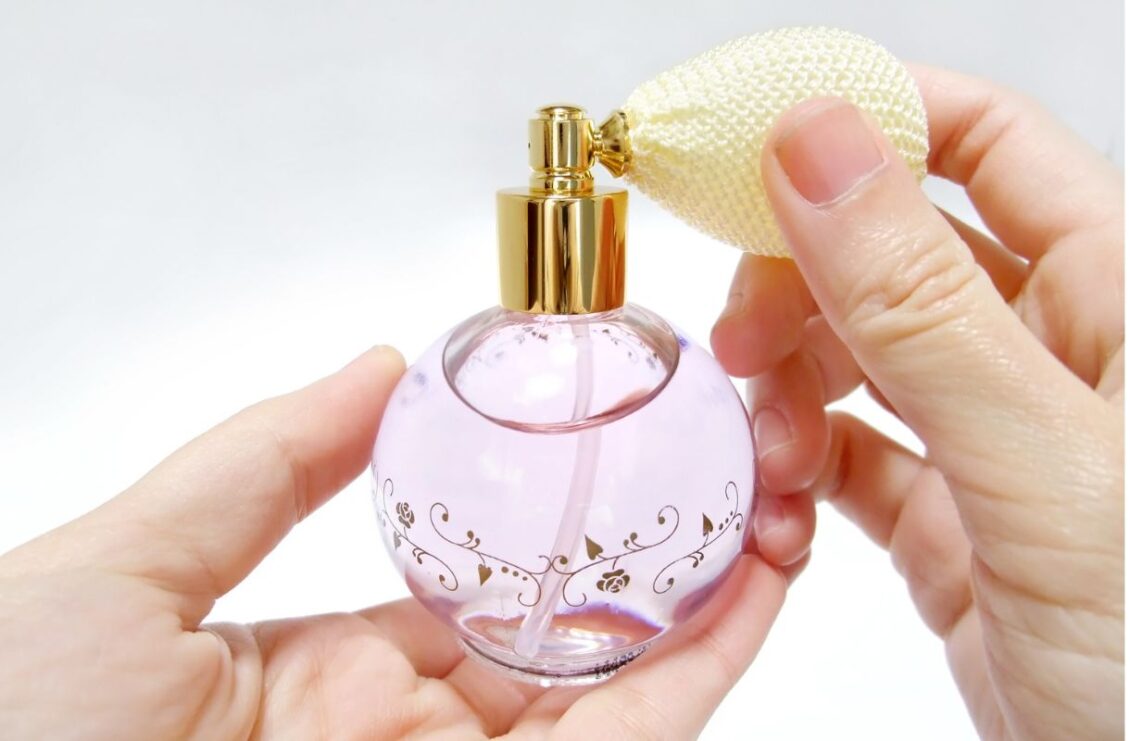
Luxury has always evolved with the times. In previous decades, status was displayed through logos, handbags or watches. Today, however, a quieter marker of personal identity is gaining prominence: fragrance. Increasingly, scent is being treated not simply as a finishing touch, but as a deliberate expression of taste, individuality and discernment.
The global fragrance market has expanded steadily over recent years, even during periods of wider retail uncertainty. Industry analysts point to a notable shift in consumer behaviour. While spending on visible luxury items has softened in some sectors, premium perfumes have continued to perform strongly. The appeal lies in what fragrance offers: intimacy rather than exhibition, experience rather than display.
Unlike clothing or accessories, perfume is invisible. Its impact is subtle yet immediate, personal yet perceptible. This duality has elevated scent beyond routine grooming. A signature fragrance now signals refinement in a way that feels understated. It suggests careful curation rather than overt branding.
Part of this shift reflects changing attitudes towards luxury itself. Younger consumers in particular often favour products that feel meaningful and immersive. Fragrance fits that brief. It carries narrative, crafted around ingredients, heritage and artistry. Iconic compositions such as valentino born in roma at parfumdreams illustrate how modern perfume houses blend storytelling with recognisable design, creating scents that balance accessibility with sophistication.
From Visible Logos to Personal Identity
In the early 2000s, conspicuous consumption dominated. Logos were bold and unmistakable. Today’s aesthetic leans towards discretion. Minimalist fashion trends have encouraged subtlety, and fragrance aligns naturally with this mood.
Wearing a distinctive scent is less about broadcasting wealth and more about projecting identity. It lingers in memory rather than in photographs. A carefully chosen perfume can become part of a person’s presence, reinforcing confidence without visible signalling.
This cultural pivot also coincides with the rise of niche perfumery. Independent fragrance houses have gained loyal followings by offering complex compositions and limited distribution. Consumers seeking differentiation increasingly gravitate towards scents that feel personal rather than ubiquitous.
The Emotional Currency of Scent
Fragrance possesses a unique psychological dimension. Studies have long demonstrated the link between scent and memory, with olfactory cues strongly associated with emotion. This emotional resonance elevates perfume from accessory to experience.
A status symbol traditionally conveys wealth or social position. In contrast, fragrance communicates mood, aspiration and sensibility. A woody, resinous scent may project authority and composure. A warm gourmand fragrance may suggest approachability and comfort. The choice is deeply individual, yet socially perceptible.
As consumers invest more in self-expression, fragrance has become part of a broader narrative about identity. It is not uncommon for individuals to rotate scents depending on season, occasion or even state of mind. This fluid approach contrasts with the idea of a single “signature scent”, yet reinforces the idea of perfume as curated luxury.
Longevity and Performance as Value Indicators
Another factor driving fragrance’s status appeal is performance. Longevity, projection and concentration are now widely discussed metrics among consumers. Social media platforms have amplified these conversations, with reviewers analysing sillage and wear time in detail.
High-performing fragrances are often perceived as more luxurious, particularly when they combine endurance with balanced composition. Concentrated formulations such as Eau de Parfum or Parfum are increasingly favoured for their staying power. Consumers view durability not merely as convenience but as evidence of craftsmanship.
In this context, price alone does not define prestige. A fragrance earns its reputation through formulation quality and the complexity of its structure. Transparency around ingredients and creative direction further enhances credibility.
Social Media and the Rise of “Scent Culture”
Digital platforms have transformed how fragrance is discussed. Online communities dissect notes, compare batches and debate reformulations with near-academic precision. This collective scrutiny has created a more informed audience.
Influencers and reviewers have also broadened the appeal of fragrance beyond traditional department store counters. Viral trends can propel a scent into prominence overnight. Yet long-term status tends to favour fragrances with enduring character rather than fleeting hype.
This democratisation of information has reshaped purchasing decisions. Consumers are less likely to rely solely on advertising and more inclined to research compositions and brand heritage. Knowledge itself has become part of the status equation.
Heritage and Modern Craft
Established fragrance houses benefit from decades of craftsmanship and archive collections. At the same time, newer brands emphasise artistry and ingredient sourcing. Both approaches contribute to fragrance’s growing prestige.
Luxury perfume often involves rare raw materials, complex extraction processes and collaboration with master perfumers. The narrative around creation from sourcing Madagascan vanilla to distilling Italian bergamot enhances perceived value.
This craftsmanship parallels trends in fine dining and speciality coffee, where provenance and process carry weight. Fragrance has entered a similar cultural space, appreciated not only for scent but for story.
A Quiet Form of Luxury
Perhaps the most significant reason fragrance has emerged as a modern status symbol is its discretion. In an era shaped by economic awareness and understated elegance, overt displays of wealth can feel out of step. Perfume offers a more personal form of luxury.
It does not demand attention. It rewards those who notice.
A well-chosen fragrance can project assurance without excess. It lingers subtly in close encounters and becomes associated with memory. That intimacy sets it apart from traditional luxury markers.
As consumer priorities continue to evolve, scent appears poised to maintain its elevated position. Fragrance speaks to identity, craftsmanship and emotional resonance qualities that align closely with contemporary definitions of status.
