

Runners spend hours researching cushioning and stack height. A footwear specialist with two decades of industry experience says the feature that most directly affects comfort, stability, and injury risk rarely gets a second glance.
Walk into any running shop and the conversation will centre on foam compounds, heel-to-toe drop, and energy return. These are real considerations – but according to Leanna Spektor, co-founder and style expert at Brand House Direct, an Australian footwear retailer, they consistently overshadow a structural element that has a more fundamental effect on how a shoe actually performs on the body.
“I’ve spent over 20 years in the footwear industry, and runners still overlook the heel cup,” Spektor said. “It’s the foundation of how your shoe performs.”
What the Heel Cup Is and Why It Matters
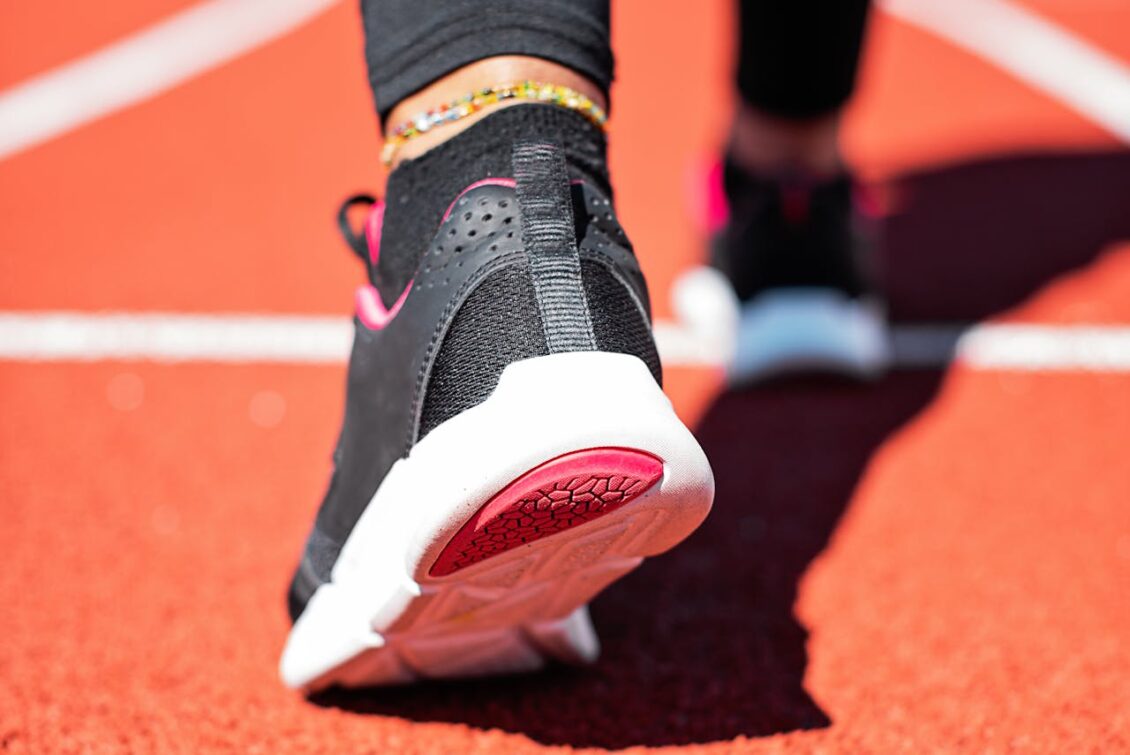
The heel cup is the structured cradle at the rear of a running shoe that wraps around the bottom and sides of the heel to hold it in a fixed position. Spektor describes it as the anchor point from which everything else in a shoe’s performance flows – affecting not just the foot itself but the entire chain of movement that runs through the ankle, knee, and hip with every stride.
When the heel cup fits correctly, it contributes three things that make running measurably easier.
Alignment is the first. A well-fitted heel cup keeps the heel centred on landing, allowing the joints above it to move through their natural range of motion rather than compensating for instability at the base. “If your heel is sliding around or tilting to one side, your entire kinetic chain is thrown off,” Spektor said. “You’ll feel it in your calves, your knees, even your lower back.”
Reduced slippage is the second. Movement of the foot inside the shoe during a run is the primary cause of blisters and hot spots. A heel cup that holds the foot securely eliminates the friction that produces them – and no combination of technical socks or blister plasters addresses the root cause the way a properly fitted heel cup does.
Energy transfer is the third. When the heel is stable and well-supported, the force generated by each foot strike can travel efficiently through the body and contribute to forward movement, rather than being dissipated through unwanted internal motion.
How to Evaluate a Heel Cup Before Buying
Spektor recommends a simple sequence of checks when trying on running shoes that most buyers skip entirely.
Start by pressing a thumb firmly into the heel counter – the external structural component of the heel cup. It should resist moderate pressure without collapsing. A flimsy heel counter will not hold the foot in position once running begins, regardless of how well everything else about the shoe performs.
Examine the shape. The heel cup should follow a natural curve that accommodates the contour of the heel without being so wide that it allows lateral movement or so narrow that it creates pressure points.
Check the internal padding around the rim. There should be enough cushioning to prevent rubbing, but not so much that it displaces the heel forward out of its natural seated position.
Finally, put the shoes on and walk around the shop with attention focused specifically on the heel. Any lifting – even minor – is a reliable indicator that fit problems will worsen during a run. “If your heel is coming up even slightly in the shop, it’s only going to get worse when you’re running,” Spektor said.
What Poor Heel Cup Fit Produces Over Time
The consequences of an ill-fitting heel cup tend to accumulate rather than announce themselves immediately. Blisters are the most visible early sign. Instability on uneven terrain or during faster efforts is another common complaint, as is reduced confidence during speed work when secure footing matters most.
Perhaps the most diagnostic indicator is uneven sole wear. When the heel cup fails to keep the foot landing consistently in the correct position, the outsole degrades faster on one side than the other – a pattern that is visible in older shoes and points directly to a fit problem that a replacement with better heel cup design could address.
The Broader Principle
Spektor’s wider advice is to treat sensation as more reliable than specification when choosing running footwear. A shoe with impressive technology that does not fit the heel correctly will not deliver the benefits its design intends. Modern running shoes are engineered to feel right immediately – if a shoe requires breaking in to become comfortable, that is typically a sign of a fit problem rather than a temporary adjustment period.
“Always prioritise how the shoe feels over how impressive the specs sound,” she said. “The heel cup works together with the midsole, the upper, and the lacing system – but the heel cup is where stability starts, so it deserves special attention.”

For runners who have struggled with persistent blisters, knee discomfort, or the vague sense of fighting their shoes rather than running in them, Spektor suggests the heel cup is the most logical place to start looking for an answer.
