

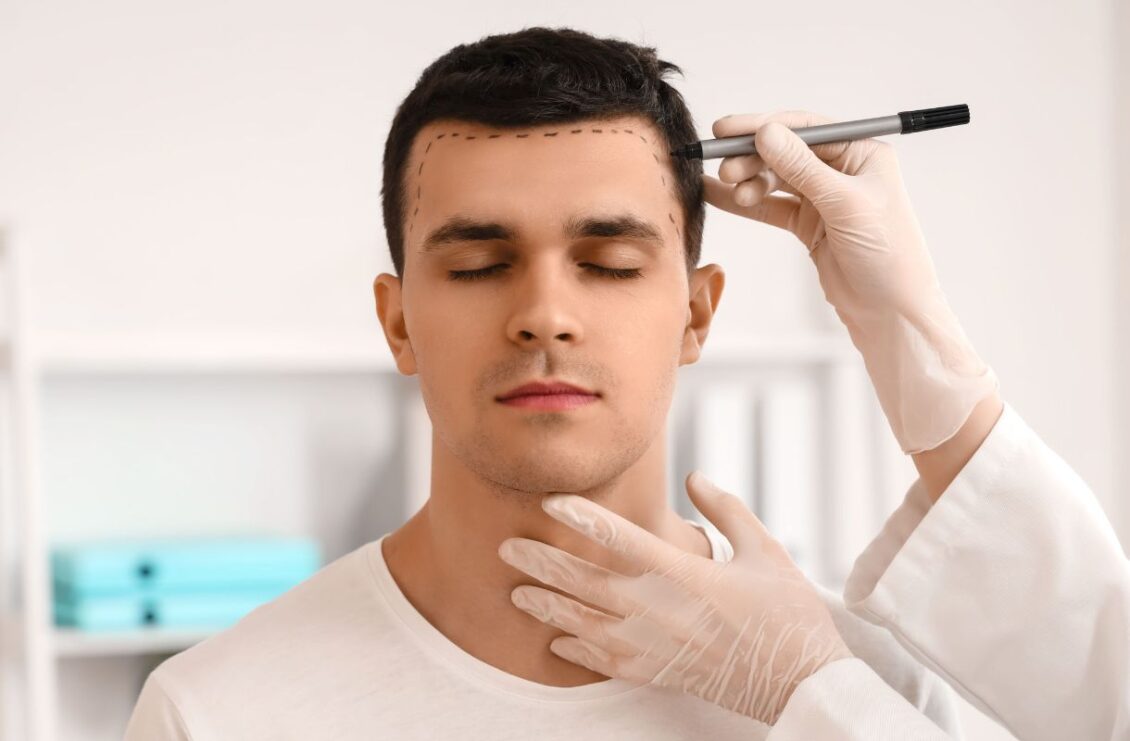
Interest in travelling abroad for hair transplants has grown dramatically in Wales, with new Google trend data showing a 50% increase over the past five years. Turkey remains the most-searched destination, fuelled by low-cost packages and a thriving social-media advertising culture.
But alongside this surge in demand, search patterns suggest growing unease. According to Treatment Rooms London, a London Based Hair transplant clinic, hair repair surgery inquiries increased by 42% in 2025 compared to 2024. Queries relating to hair damage, botched results, and transplant repair surgery have increased by around 20% in Wales over the same period, based on data from Google.
Hair restoration has become one of the most heavily marketed cosmetic interventions online. On TikTok and Instagram, influencers routinely document their trips to Istanbul, posting before-and-after footage that condenses an entire surgical journey into a 30-second video. The format presents the procedure as simple, fast and transformative.
As a result, Welsh men who search once for hair loss treatments often find themselves pursued across platforms by targeted ads from overseas clinics.
Critics say this creates a powerful form of algorithmic pressure. Some users report seeing hair transplant adverts every day after a single search, shaping perceptions around the accessibility and normality of surgery.
Yet the pace and style of social media content, built around instant visuals and quick results, rarely communicate the long timelines involved in proper recovery, nor the risks of scarring, donor-area depletion, or uneven hairlines.
The economic climate helps explain why Wales, in particular, is experiencing such a steep rise in interest. Average earnings remain below those in many English regions, making the £4,000–£8,000 cost of domestic treatment difficult to justify for many.
In contrast, Turkish clinics frequently advertise full packages between £1,500 and £2,000, including airport transfers, accommodation and a “lifetime guarantee”.
For some patients, travelling abroad is framed less as a cosmetic choice and more as a financially practical decision. With household budgets under sustained pressure from the cost-of-living crisis, a cheaper overseas option can seem unavoidable.
However, medical specialists warn that such comparisons can be misleading. UK-based surgeons emphasise that transplant work is a long-term medical procedure requiring assessment, planning and aftercare, and that damage caused by high-volume clinics abroad can be costly to fix, if it can be fixed at all.
Repair surgery often involves more complex work, limited donor supply and the emotional toll of correcting an avoidable mistake.
Search trends echo this growing uncertainty. Wales has seen a consistent rise in people looking for information on “hair transplant gone wrong”, “shock loss after surgery”, and “repair hair transplant”. The upward curve suggests that once the initial excitement of a cheap procedure fades, many patients turn to the internet for answers, often long after returning home.
Commenting on the trend, Dr Dilan Fernando, surgeon and co-founder of The Treatment Rooms London, said:
“The recent increase in searches around hair transplants and post-surgery concerns highlights a broader shift in public behaviour. What we’re seeing is not just heightened interest in procedures abroad, but also a growing need for informed, medically led care. Hair transplantation is a surgical procedure with long-term consequences, and decisions driven solely by cost can leave patients dealing with complications that require careful, and often complex, management.”
The data paints a picture of a public increasingly drawn to low-cost transplant tourism — and increasingly anxious about its risks. Whether Wales continues to see this upward trend may depend on how well potential patients understand the full reality behind those glossy social-media transformations.
