Close Menu
    Facebook X (Twitter) Instagram
    Wales 247
    • Cymru
    • FindMyTown
      • South East Wales
      • South West Wales
      • Mid & West Wales
      • North East Wales
      • North West Wales
    • Business
    • Education
    • What’s On
    Facebook X (Twitter) LinkedIn
    • Senedd 2026
    • Cardiff
    • Swansea
    • Charity
    • Motoring
    • Got a story?
    • Advertise
    • Property
    • Cornered
    • Life
    • World
    Wales 247
    Home » Why Phishing Still Works – and How to Stop Falling for It
    Life

    Why Phishing Still Works – and How to Stop Falling for It

    Rhys GregoryBy Rhys GregoryMarch 3, 2026Updated:March 3, 2026No Comments
    Share Facebook Twitter Copy Link LinkedIn Email WhatsApp
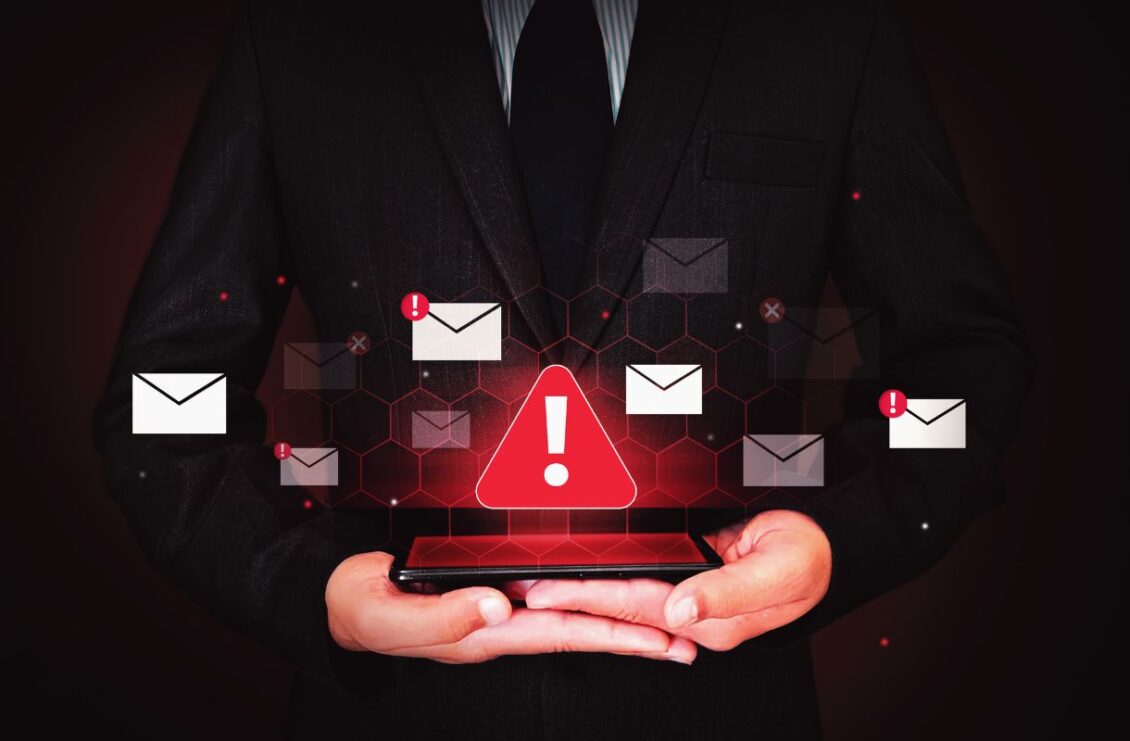
    Credit: Canva/Stock
    Share
    Facebook Twitter LinkedIn Pinterest Email Copy Link

    Cybercrime has come a long way over the last few decades. Hackers have developed a variety of impressive technologies and ingenious algorithms – but in many cases, the most effective way to compromise a system is by targeting the weakest links: the fallible human beings with access to that system.

    Why Phishing Still Works in 2026

    Human psychology is easily exploited. Every one of us has private desires and insecurities that can be leveraged in order to persuade us to act against our best interests. With hard, cold systems and circuitry, there are far fewer tricks to be pulled – and the potential attack surface is far more limited.

    How Attackers Have Evolved Their Tactics

    A successful phishing attempt is often one that’s highly personalized, and shaped by the individual needs of the person on the receiving end. A few years ago, it would not have been cost-effective for attackers to invest much time and energy into composing a bespoke email. But now, with the help of publicly available data on social media platforms, it’s possible for AI-based techniques to form a profile of a would-be victim, work out which channels they trust, and compose and send a message accordingly.

    The Psychology Behind Why Users Still Click

    Users who click on a phishing message often do so because they’re acting on impulse. The faster the user acts upon a message, the more likely they are to fall for it. For this reason, phishing tries to trigger a sense of urgency, and to encourage emotions like fear and anxiety. You might see a message from a familiar service, warning that immediate action is required on a compromised account.

    Human beings are susceptible to various biases and fallacies, which are often exploited by phishers. These include the availability heuristic, which pushes us to give more credence to anecdote than to data, and confirmation bias, which pushes us to believe evidence that reinforces our existing beliefs.

    These biases, and others, are unlikely to go away anytime soon. As such, phishing will likely remain a significant problem.

    Practical Ways to Stop Falling for Phishing

    The more we know about the danger of phishing, the more easily we’ll be able to defend ourselves against it. Cultural changes within an organisation, like an insistence on strong passwords and multi-factor authentication, can be worthwhile. Training, however, is the clearest route toward a phishing-resistant business.

    There are a few technologies worth being familiar and understanding what is proxy vs VPN might be helpful.

    Of course, the threat posed by phishing may evolve as the years pass by. As such, we’ll need to be able to adapt to new developments if we’re to remain safe. Constant refresher courses, and discussion, might be very helpful.

    Follow on Facebook Follow on X (Twitter) Follow on LinkedIn
    Share. Facebook Twitter LinkedIn Email WhatsApp Copy Link
    Avatar photo
    Rhys Gregory
    • X (Twitter)
    • Instagram
    • LinkedIn

    Editor of Wales247.co.uk

    Related Posts

    Understanding Variance in Blackjack

    September 14, 2026

    Why Village Hall Cinemas Are Booming in Rural Wales

    September 11, 2026

    Every Football Coupon Has a Payback Percentage It Never Shows You

    September 10, 2026

    Comments are closed.

    Latest News in Wales

    Former Welsh chapel listed for £1 sells for £85,500 after bidding frenzy

    September 14, 2026

    New research reveals which generations are wasting the most water

    September 14, 2026

    Welsh beauty spot named among Europe’s best places for stargazing

    September 14, 2026

    Cardiff Half Marathon celebrations to take over city with week of events

    September 14, 2026

    Ebbw Vale woman shares sepsis ordeal after routine infection left her fighting for life

    September 14, 2026

    Brain cancer death rates in Wales show no improvement in more than 20 years

    September 14, 2026

    Welsh university climbs 26 places to secure highest-ever UK ranking

    September 14, 2026

    University of South Wales named top university in Wales as UK ranking surges

    September 14, 2026

    Swansea man jailed for eight years for attempted rape and sexual assault

    September 14, 2026

    Man jailed for copper cable theft from BT site in Porthmadog

    September 14, 2026
    Follow 247
    • Facebook
    • Twitter
    • YouTube
    • LinkedIn

    247 Newsletter

    Sign up to get the latest hand-picked news and stories from across Wales, covering business, politics, lifestyle and more.

    Wales247 provides around the clock access to business, education, health and community news through its independent news platform.

    Email us: [email protected]

    Facebook X (Twitter) YouTube LinkedIn RSS
    More
    • What’s On Wales
    • Community
    • Education
    • Health
    • Charity
    • Cardiff
    • Swansea
    Wales Business
    • Business News
    • Awards
    • Community
    • Events
    • Opinion
    • Economy
    • Start-ups
    • Home
    • About
    • Advertise
    • Picture Desk
    • Privacy
    • Corrections
    • Contact
    © 2026 Wales 247.

    Type above and press Enter to search. Press Esc to cancel.