

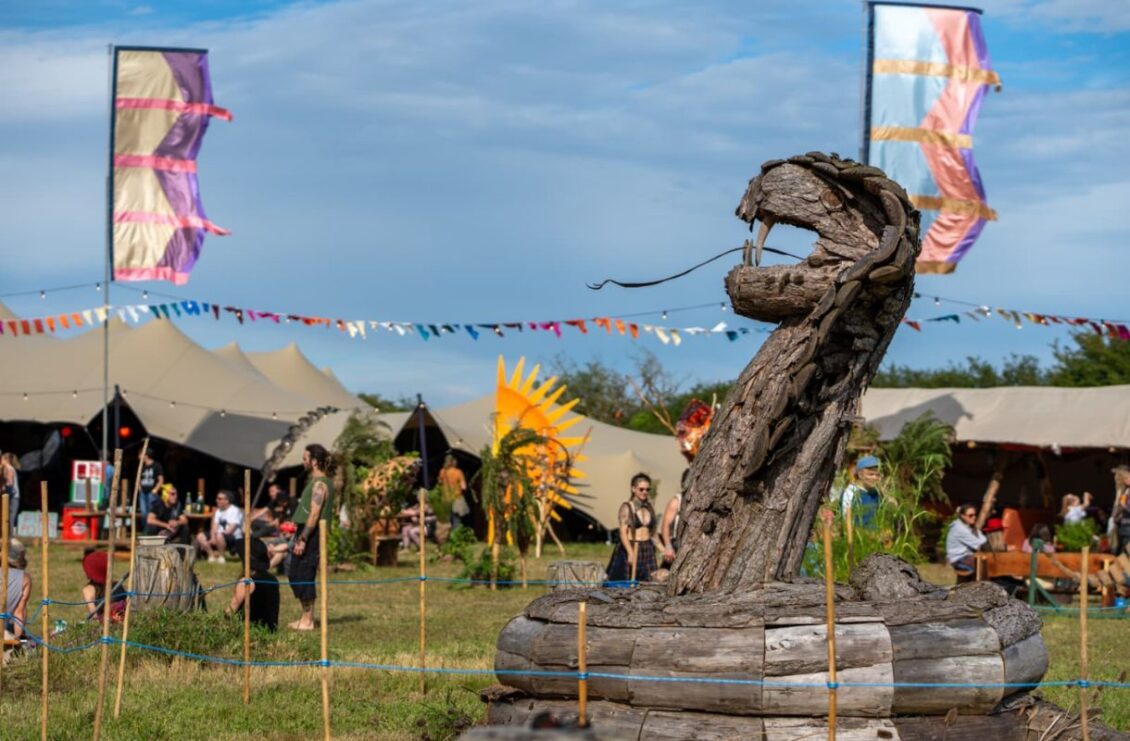
As Glastonbury takes a break in 2026, music lovers searching for an alternative festival experience increasingly looked beyond the UK’s biggest events and towards smaller, community-focused gatherings.
On the far western edge of Pembrokeshire, Unearthed Festival once again showcased why it has become one of the country’s most respected independent festivals, championing grassroots culture, Welsh talent and community spirit.
Founded in 2012 in a single field in Pembrokeshire, Unearthed has resisted the pressures that have forced dozens of independent festivals to close in recent years, choosing not to pursue rapid expansion or corporate backing.
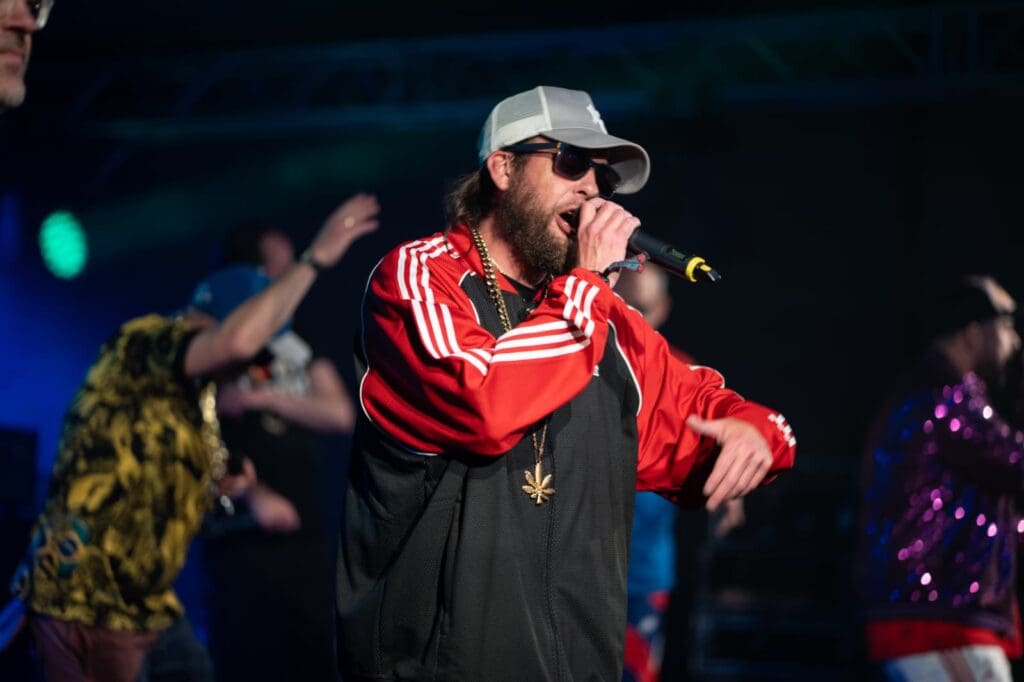
The festival took place from 19 to 21 June and featured a line-up including Mercury Prize winner Roni Size, Welsh cult rap collective Goldie Lookin Chain, London’s eight-piece The Herbaliser Band, conscious reggae outfit League of Rebelz and live electronic duo Omega Nebula. More than 30 West Wales artists also performed across the weekend.
Tim Rees, co-founder of Unearthed Festival, said:
“Unearthed has never been about expanding our footprint. It’s been about staying close to what made festivals worth going to in the first place — community, music, conversation, and a piece of land we look after. In a year without Glastonbury, more people are looking for that, and we’re glad to hold space for it.”
Unlike many large-scale events, Unearthed deliberately keeps its footprint small, creating an environment where festival-goers quickly became familiar with fellow attendees.

Organisers describe it as “a festival the size of a village”, with some families having attended across five generations.
The event blended music with wellbeing, creativity and connection. Dub, roots and reggae sat alongside folk, jazz and global sounds, while movement workshops, breathwork sessions and ceremonies ran alongside late-night fires and spontaneous jam sessions.
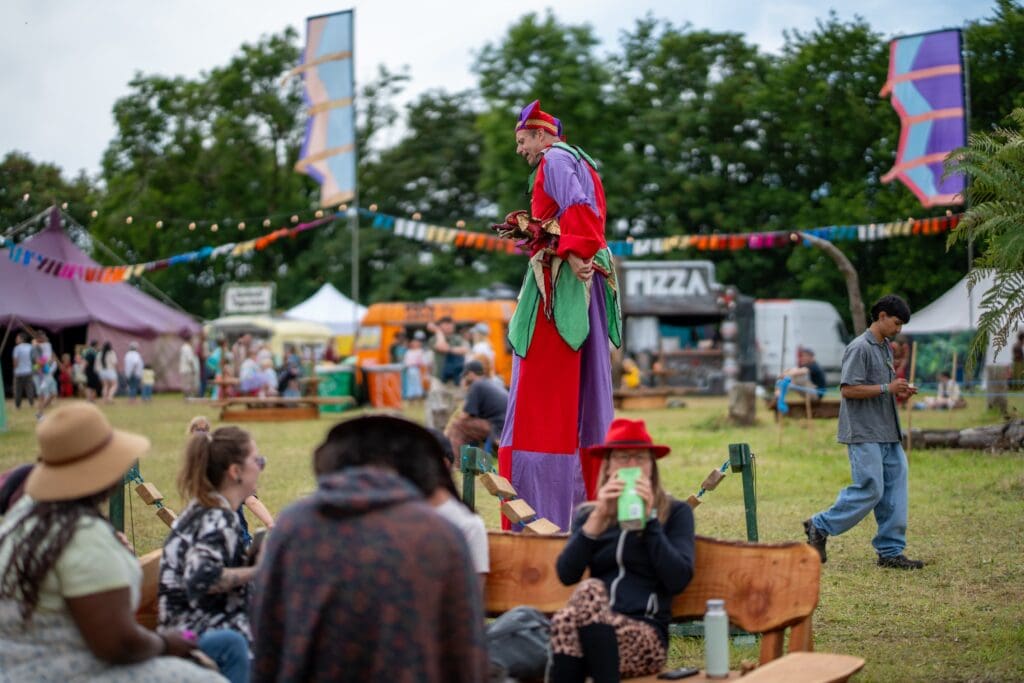
The festival’s approach reflected a wider shift within the industry as audiences sought more intimate experiences and meaningful connections.
The UK’s independent festival sector has faced significant challenges in recent years, with rising production costs, licensing pressures and competition from larger events placing many grassroots festivals under strain.
Unearthed’s organisers said its strength came from its deep local roots. The majority of its economic impact remained within rural West Wales through the use of local crew, traders and suppliers.
As a result, the festival has become more than just a music event, evolving into a cultural fixture for the region.
Long-time attendees often compare Unearthed to the early days of Glastonbury, describing it as a temporary village where community sits alongside performance and where festival-goers are active participants in the experience rather than simply spectators.
As one of Wales’ longest-running independent festivals, Unearthed continues to prove that smaller events can thrive by staying true to their values, even as the wider festival landscape continues to change.
