

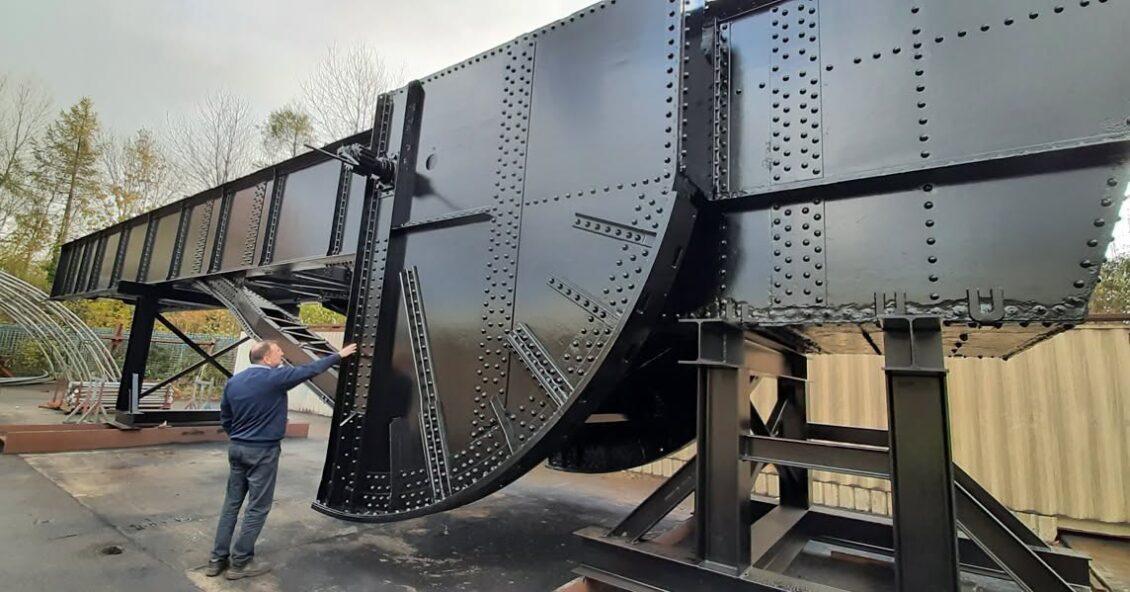
Complex work to restore and reinstate Swansea’s historic Morfa Bascule Bridge has taken a major step forward, with the final phase of the project now set to begin.
Swansea Council has appointed South Wales-based contractor Ian Davies Plant to deliver the next and final stage of the Morfa Bascule Bridge restoration, with construction expected to start soon.
Council leader Rob Stewart welcomed the progress, describing the project as an important part of wider regeneration plans for the lower Swansea Valley.
He said: “We’re delighted to be moving forward with these important works on the famous bascule bridge.
“This is a key part of our wider plans to regenerate the lower Swansea Valley while protecting and celebrating the city’s unique industrial heritage.
“Restoring this landmark structure will help create a valuable new asset for residents and visitors.
“The copperworks site has the potential to become a major leisure destination, building on its status as a key part of Swansea’s heritage.
“We’re pushing forward with the restoration of the Tawe River corridor, and Lower Swansea Valley Project. Penderyn are there, the two historic engine houses and the laboratory building are being restored, and we have plans for more boating pontoons on the river.
“A new river walkway is planned, new facilities will be created along the river, and a new major tourism destination is set to open nearby.
“The Swans plan to create new experiences for fans at the stadium – so this area has a fantastic future as part of the better Swansea we’re building.”
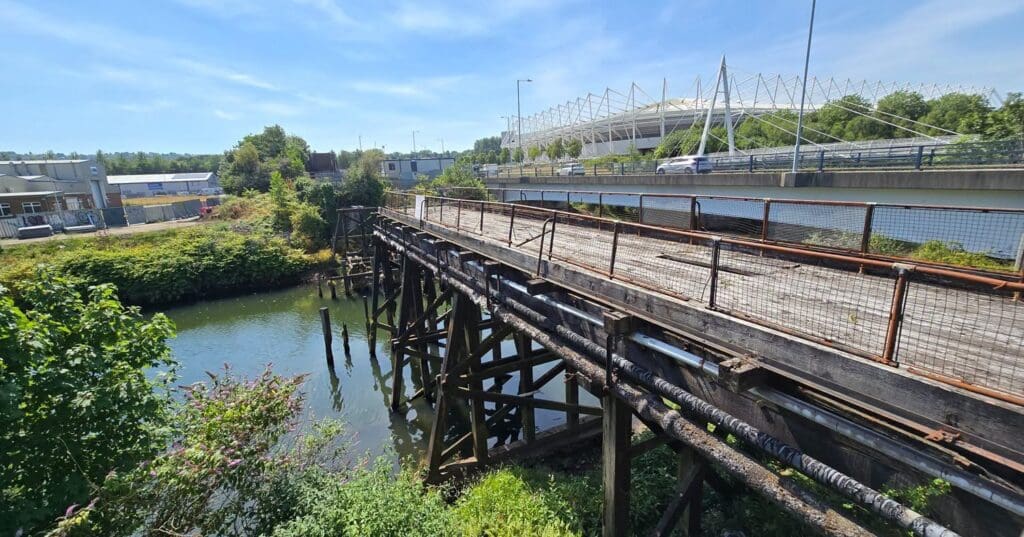
Built in 1909 and designated as a Scheduled Monument, Morfa Bascule Bridge is a rare and significant part of Swansea’s historic landscape.
Previous phases of the restoration have seen the steel bascule span carefully removed from the River Tawe for conservation, alongside essential stabilisation works to the timber structures standing in the river.
The final phase will complete the restoration of the bridge, including repairs to the timber trestles, replacement of some bridge elements, and the lifting of the historic bascule span back into position using a specialist crane operation.
Once completed, the bridge will reopen as a public footpath and cycle route, improving access and connectivity along the River Tawe corridor.
The restoration forms part of Swansea Council’s long-term ambition to revitalise the lower Swansea Valley, enhancing the surrounding environment while preserving one of the city’s most important industrial heritage assets for future generations.
