

Ask ten people what a ‘research peptide’ actually is, and you’ll likely get ten different answers.
Scroll through TikTok, fitness forums, longevity subreddits, or biohacking corners of social media, and research peptides come up constantly, usually wrapped in personal testimonials about recovery, muscle gain, skin, or ageing.
Some users swear by specific compounds. Others warn newcomers off entirely, citing inconsistent results or sourcing horror stories. Somewhere in between sits a growing curiosity from people who’ve heard the term repeatedly but couldn’t confidently explain what it means.
What most of that conversation is actually referring to, whether the tone is enthusiastic or sceptical, is the same underlying category of research peptides, sold for research purposes.
The names of some peptides and compounds themselves have started to circulate almost like brand names.
GHK-Cu gets mentioned for skin health, BPC-157 for recovery, TB-500 for tissue repair, and various growth hormone-related peptides for muscle and others with anti-ageing claims.
Search interest in these terms has climbed steadily over recent years, often tracking alongside broader conversations about GLP-1 medications and the wider cultural shift towards optimisation and longevity.
Podcasts, fitness influencers, and online communities have all played a part in normalising the vocabulary, even as the actual science behind some of these compounds remains far less settled than the online conversation suggests.
The debate itself has become part of the trend. Enthusiasts frame research peptides as the next logical step after creatine and collagen, an accessible entry point into more advanced biohacking. Sceptics argue the enthusiasm has outpaced the science, pointing to inconsistent quality and a lack of long-term data.
Both camps are, in their own way, responding to the same thing, a genuinely fast-growing area of interest that most people are encountering through anecdote rather than explanation.
Strip away the online noise and trendsetters, and there’s a more precise story underneath deeply rooted in science and research literature.
‘Research peptide’ isn’t marketing language, it’s an accurate description of what the product actually is: a peptide compound supplied for laboratory and scientific study, not formulated, tested or licensed to treat or cure any medical condition. That’s the same standard applied across the broader research chemicals category, and it’s why serious suppliers are explicit about intended use.
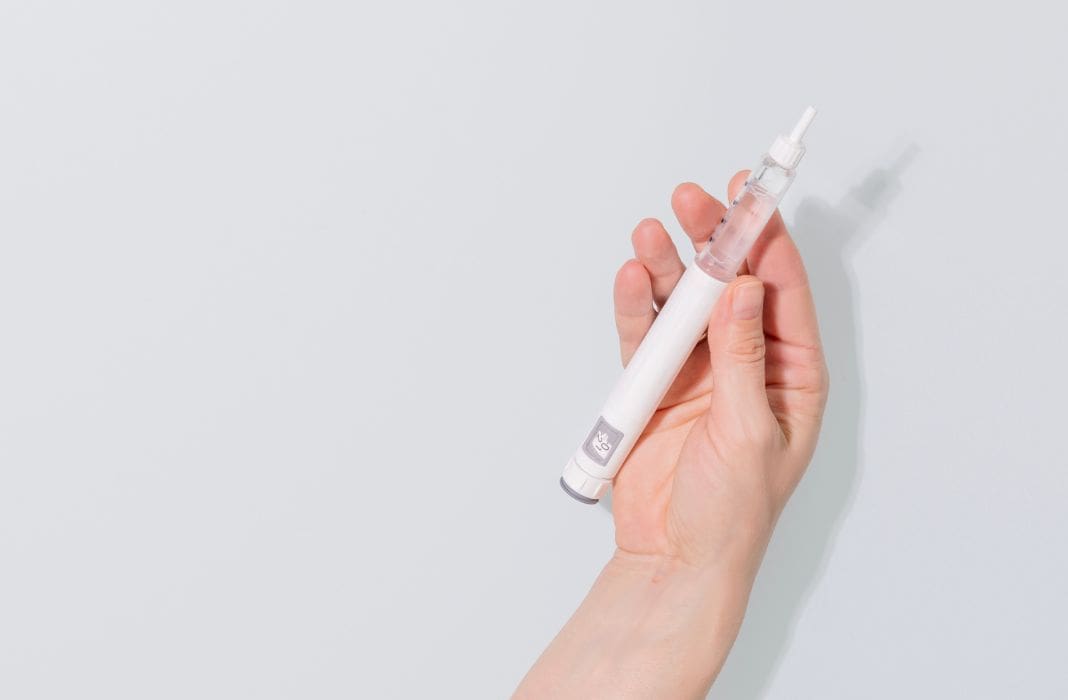
Peptides are also far more familiar than most people realise. Insulin, the hormone millions of people with diabetes rely on daily, is itself a peptide.
So are countless naturally occurring compounds released when the body digests protein from food, meaning peptides are quite literally part of everyday biology and diet, not some obscure laboratory invention or wellness craze.
Wellness culture will keep experimenting with the term in its own way, and that’s unlikely to slow down any time soon. However in laboratories, research peptides are already doing the less visible work, helping scientists understand mechanisms, signalling processes, test new compounds, and lay groundwork that may potentially shape the next generation of wellness treatments.
