

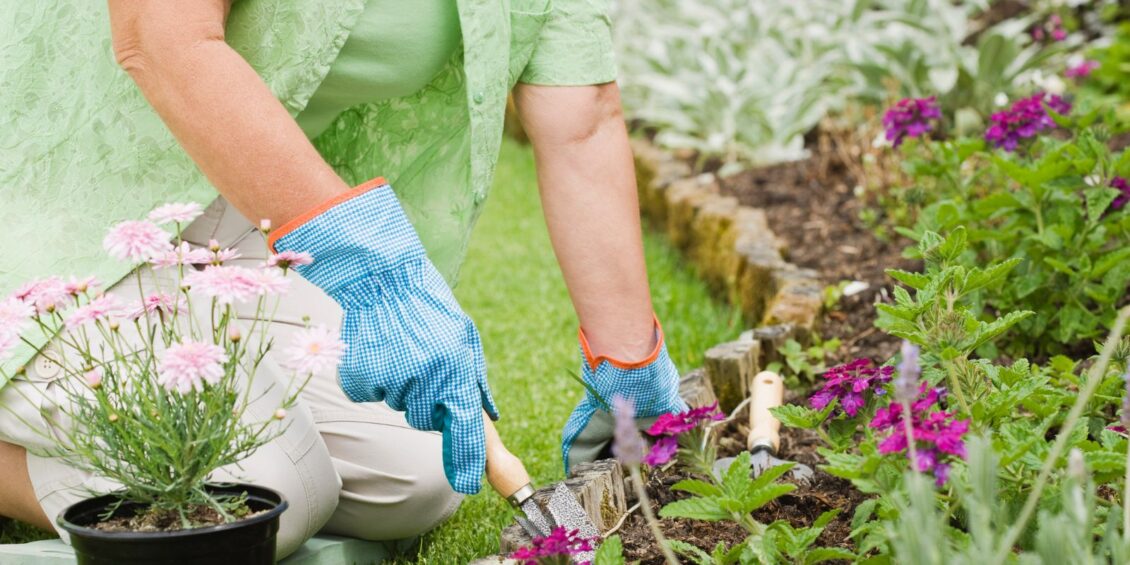
Gardening is an ancient and peaceful practice that, over generations, has evolved beyond mere food cultivation or landscaping. For many, it is a therapeutic escape from modern life’s daily stresses, providing physical, psychological, and emotional benefits that mental health professionals increasingly recognize. Victoria Gerrard La Crosse explores the mental health advantages of gardening and how it can cultivate greater well-being.
Connection to Nature: A Natural Mood Booster
Gardening connects individuals with nature, a vital experience often lost in our technologically driven world. Being outdoors amidst plants and fresh air can uplift the spirit, reduce anxiety, and improve mood. Research has consistently shown that exposure to natural environments significantly lowers cortisol levels, the hormone associated with stress, while simultaneously increasing serotonin, a hormone linked to happiness. As a result, many gardeners feel an immediate sense of calm and joy when tending to their plants.
Moreover, this connection to nature can foster mindfulness. The rhythmic and repetitive actions involved in gardening—digging, pruning, planting—encourage immersion in the present moment, a practice known to reduce symptoms of depression and anxiety. This focus on the now allows worries about the past and future to melt away, replaced by a sense of peace and satisfaction.
Cultivating Purpose: The Joy of Nurturing Life
Nurturing a garden can give individuals a renewed sense of purpose. Planting seeds, caring for young seedlings, and harvesting the fruits of one’s labor mirrors personal growth and transformation. Witnessing the gradual progress of plants, from sprout to bloom, instills a feeling of accomplishment and optimism that can counter negative thoughts. This progress helps gardeners foster self-efficacy as they realize their efforts directly influence the growth and health of their plants.
Gardening can also create a sense of routine and responsibility, offering structure to those who may feel their days lack direction. The cycles of growth, seasonal changes, and the need for consistent care provide a framework that many find reassuring, particularly those coping with depression. It is not just about growing plants; it’s about nurturing one’s mental resilience and finding purpose in simple yet meaningful tasks.
Community Building: Strengthening Social Connections
Gardening is often an individual activity but can also foster meaningful social connections. Community gardens and horticultural societies offer spaces where like-minded individuals can share experiences, tips, and harvests. These social interactions contribute to a sense of belonging and support networks that reduce feelings of loneliness and isolation.
Even home gardening can nurture community relationships. Victoria Gerrard La Crosse WI recommends sharing excess produce, flowers, or stories of success and failure with neighbors or family members, which can create bonds that strengthen mental health. Moreover, engaging children in gardening teaches them responsibility, patience, and respect for nature while providing valuable family bonding time.
Therapeutic Benefits: Healing Through Horticulture
Gardening is a hobby and a form of therapy—known as horticultural therapy—that has been used to rehabilitate patients with various medical conditions. This therapeutic approach helps improve memory, cognitive abilities, task initiation, language skills, and socialization. In settings such as hospitals, rehabilitation centers, and senior residences, gardening activities are tailored to enhance individuals’ physical, mental, and emotional well-being.
Gardening can also be a gentle physical activity shown to help manage mental health conditions. Engaging in regular, low-impact exercise through gardening can combat chronic stress, fatigue, and depression. The physical activity associated with gardening—digging, weeding, and watering—promotes endorphin release, the body’s natural painkillers, which can create feelings of euphoria and general well-being.
Moreover, gardening provides a safe space for emotional expression and processing. The garden is a non-judgmental, nurturing environment where individuals can express grief, sadness, or stress constructively and stimulatingly. It is a space where emotional healing can occur alongside the growth of plants, offering a unique opportunity for individuals to grow emotionally and psychologically as they tend to their garden.
Environmental Awareness: Cultivating Sustainability and Mental Health
Engaging in gardening benefits the individual and promotes environmental stewardship, which can enhance mental well-being. Victoria Gerrard La Crosse advocates the activity encourages a deeper understanding and respect for the ecosystem as gardeners learn about the roles of different plants, insects, and animals in their gardens. Such knowledge fosters a connection to the Earth that transcends basic gardening, promoting a sense of responsibility toward maintaining the health of our planet.
This environmental awareness can also contribute to a person’s mental health by fostering a sense of control and proactive engagement with their immediate surroundings. Learning about and implementing sustainable gardening practices—such as composting organic waste, conserving water through drip irrigation, and choosing native plant species—can empower individuals. This empowerment can alleviate feelings of helplessness about environmental issues as gardeners see the tangible impacts of their actions.
Creating a more sustainable garden can provide a hopeful outlook on environmental challenges, contributing to greater optimism and resilience. By taking actionable steps in their backyards, gardeners can experience a reduction in eco-anxiety—stress concerning the environmental crisis—and feel part of a larger community effort towards a healthier planet. Individuals nurture their gardens and cultivate a healthier environment and a more sustainable future through gardening.
Final Thoughts
Gardening is more than a simple pastime; Victoria Gerrard La Crosse knows it is a profound source of mental, emotional, and physical well-being. It connects individuals with nature, provides a therapeutic escape, and boosts mood while nurturing a sense of purpose and accomplishment. Gardening promotes community bonding, enhances cognitive and social skills through therapeutic practices, and heightens environmental awareness, empowering gardeners toward sustainability. This multifaceted engagement helps individuals cultivate their gardens and develop deeper connections with themselves, their communities, and the environment, fostering resilience and a healthier, more sustainable life.
