

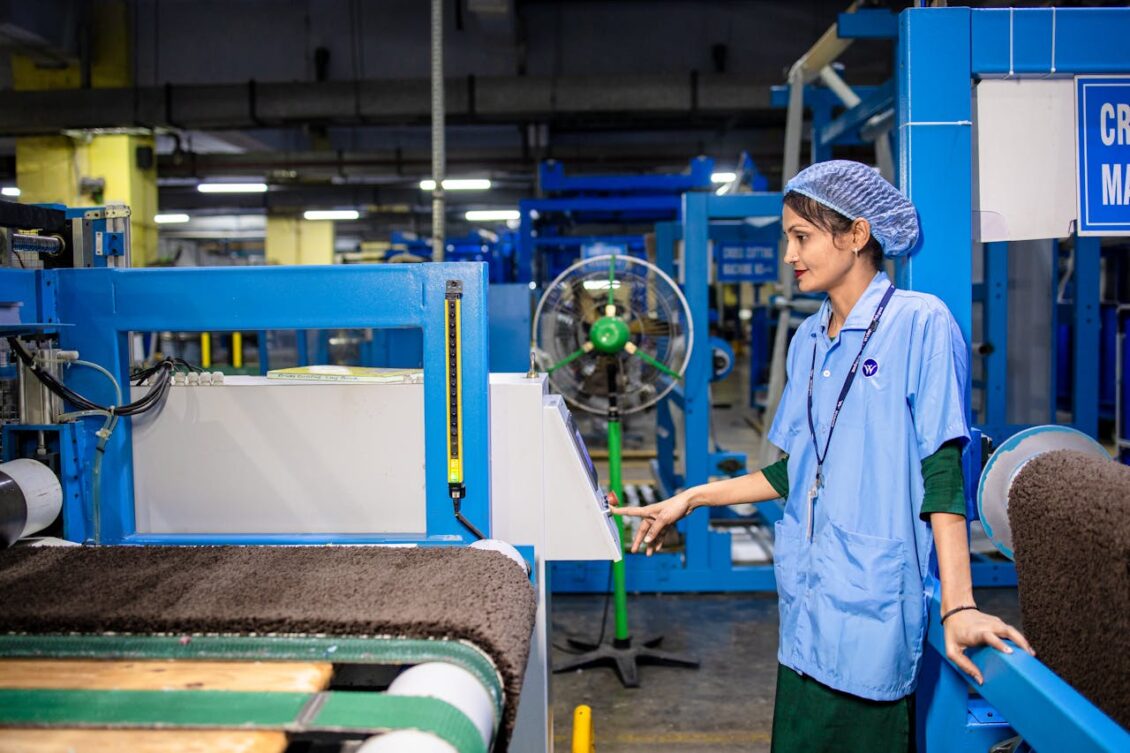
The manufacturing sector is facing a tough set of challenges in 2026. Costs are rising, and logistics are getting more complex for every business. Smaller firms must adapt quickly to stay ahead of mounting pressures.
Local shops are finding new ways to stay profitable and competitive. They are moving away from old habits to meet the modern demands of the market.
Shifting Toward Regional Supply Chains
Global shipping costs and delays have forced many shops to look closer to home. Relying on distant suppliers is no longer a safe bet for consistent production. Local networks help maintain a steady flow of parts during uncertain times.
One major report from the World Economic Forum explained that the old globalised model is fading away. Many firms are now adopting local-for-local configurations to keep their shelves full.
The shift reduces the risk of long-distance transport issues. It keeps production moving even when global trade routes face sudden blocks or price spikes. Local sourcing creates a more resilient business model for smaller firms in regional hubs.
Adopting Smarter Digital Tools
Regional manufacturers need to track every single part and every penny. Manual paperwork creates errors that cost time and money. Modern teams use digital tools to keep their daily tasks on schedule.
Digital tools help managers stay organised during a busy shift. Many teams find that using enquiry and quotation management software provides a clear view of job progress. The system keeps every project moving toward the finish line without delays.
Digital records help teams find old orders for repeat clients who need fast service. It makes finding replacements much faster than digging through a dusty filing cabinet. Accurate data helps the entire shop floor stay productive all year round.
Using AI To Reduce Waste
Efficiency has become a top priority for regional shops trying to save money. Wasted time or material can sink a project in a tight economy. Shop owners are looking for every possible way to cut back on scrap metal and wasted labor.
A recent article from Kaizen noted that artificial intelligence is becoming a primary tool for eliminating waste. Modern systems find errors at the source before they become expensive problems. AI can analyse production patterns that a human might miss during a busy shift.
Smarter machines can predict when parts might fail or when a process is running slowly. Using insights helps shops maintain high quality without adding extra costs. Predictive tools keep the machines running without unplanned breaks that stall the production line.
Managing Labor Market Shifts
Finding and keeping skilled workers remains a top concern for plant managers. Talent competition is fierce across almost every industrial region. Companies are trying new ways to attract the best talent to their factory floors.
Official government data shows that nonfarm employment grew by 178,000 jobs recently. With unemployment rates holding steady at 4.3 percent, the pool of available workers is small. The tight market makes it harder to fill open roles on the production line without raising wages.
Shops are responding by offering better training and more flexible shifts. Investing in the current team helps avoid the high cost of constant hiring cycles. Skilled workers are more likely to stay when they see a clear path for growth within the company.
Investing In Flexible Automation
Automation is no longer just for the massive car factories of the world. Regional manufacturers are finding smaller, more affordable robots that handle repetitive tasks. Machines take over the boring jobs that lead to human error or worker fatigue.
- Robotic arms for packing and sorting.
- Automated sensors for quality checks.
- Software for scheduling machine maintenance.
Modern tools help a small team accomplish much more in a single shift. They free up human workers to focus on complex problem-solving and custom builds. Small shops can compete with larger firms by using efficient systems to lower their costs.
Local Energy Independence
Energy prices have been volatile for several years now. Small shops are looking for ways to generate their own power or reduce usage during peak times. High utility costs can eat into the profits of even the busiest manufacturing facility.
Solar panels and better insulation are common sights on modern factory roofs. Reducing the monthly utility bill provides a predictable overhead that helps with long-term planning. Many firms are upgrading their lighting and heating systems to save even more on electricity.
Managing power usage is a simple way to protect the bottom line. It allows regional firms to keep their pricing steady for local customers. Long-term energy plans provide stability in an unpredictable market where prices can jump overnight.
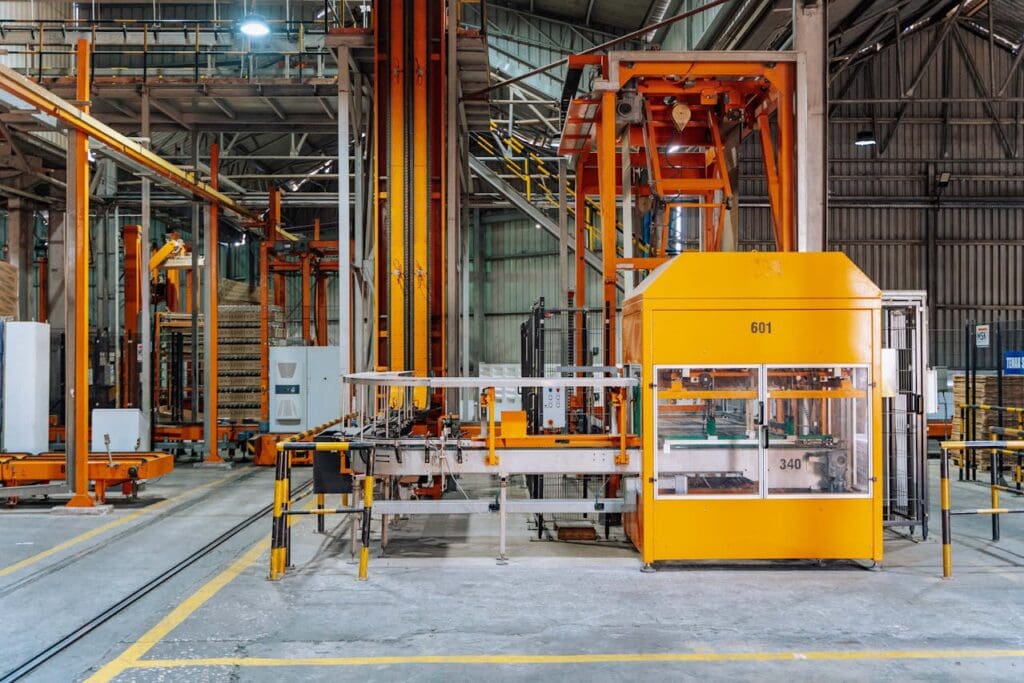
Regional shops are proving that size is not the only factor in success. By staying agile and using local resources, they are surviving the 2026 crunch. Businesses are setting a new standard for resilience in the modern age.
The path forward involves a mix of smart technology and local focus. The six strategies are helping manufacturers stay strong in a shifting global economy. Adapting to changes is the best way to maintain a profitable and stable operation.
