

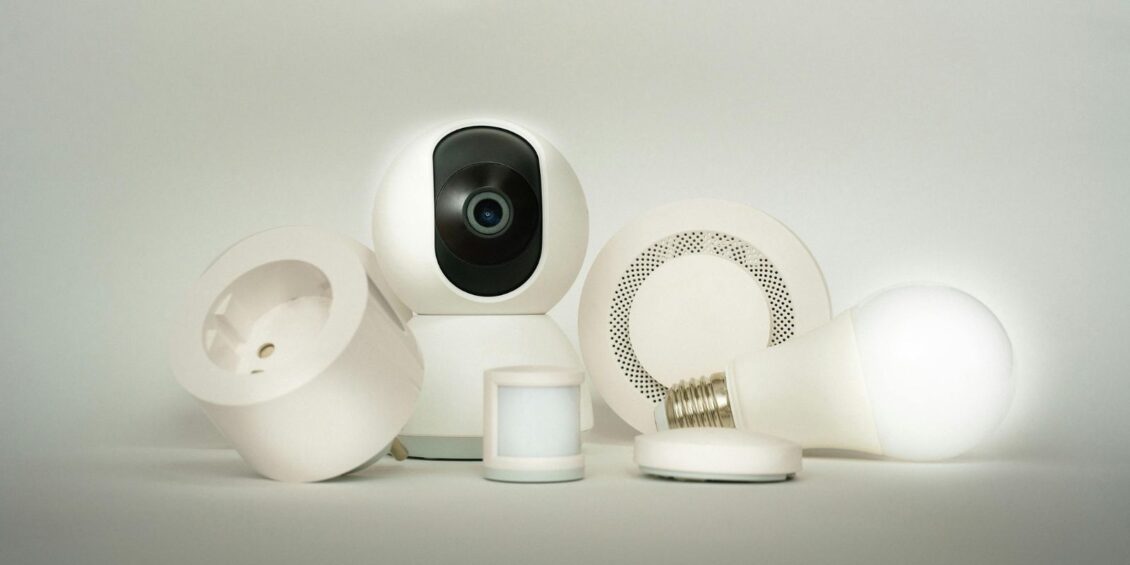
The delicate balance between ensuring aging parents’ safety and respecting their independence has become one of the most pressing challenges facing modern families. As the population ages and more seniors express their desire to “age in place,” adult children find themselves navigating complex emotional and practical terrain, seeking ways to provide support without overstepping boundaries or compromising their parents’ dignity and autonomy.
Modern safety devices and monitoring systems are emerging as powerful solutions to this generational challenge, offering families innovative ways to stay connected while accommodating varying comfort levels with technology. Personal safety devices like the Sensorem personal alarm exemplify how contemporary technology can bridge the gap between oversight and privacy, providing peace of mind for adult children while preserving seniors’ sense of independence and control over their daily lives.
The evolution of connected care technology
The landscape of senior care technology has transformed dramatically in recent years, with AI-powered virtual assistants and smart home technologies becoming essential tools for monitoring and supporting aging parents. These sophisticated systems allow adult children to stay connected with their parents while respecting crucial privacy boundaries, creating what experts call “connected care ecosystems” that enable real-time health data transmission for proactive interventions.
Telemedicine and remote monitoring capabilities have revolutionized how families approach senior care, significantly reducing the need for physical visits to healthcare facilities while maintaining high-quality oversight. These technologies provide continuous monitoring without the intrusive feeling of constant surveillance, allowing seniors to maintain their routines while giving family members access to important health and safety information.
The integration of wearable devices and smart home sensors creates a comprehensive safety net that operates largely in the background of daily life. These systems can detect falls, monitor vital signs, track medication adherence, and even identify changes in daily patterns that might indicate health concerns, all while allowing seniors to go about their normal activities without feeling watched or restricted.
Advanced companion robots are also emerging as valuable additions to the senior care technology ecosystem, designed specifically to enhance social interactions and provide emotional support. These robots can facilitate video calls with family members, remind seniors about medications, and even detect emergencies, creating an additional layer of connection and safety that goes beyond traditional monitoring devices.
Balancing privacy concerns with safety needs
One of the most critical aspects of implementing safety devices and monitoring systems lies in striking the delicate balance between necessary oversight and personal privacy. This balance proves crucial for maintaining trust within families and ensuring that aging parents feel supported rather than surveilled, which can significantly impact their willingness to embrace these technologies.
Different family members often have varying comfort levels with technology, creating additional complexity in choosing and implementing monitoring solutions. Barrier-free digital tools have become essential for empowering seniors and their families to engage effectively with technology, regardless of their previous experience or technical expertise. The most successful safety systems are those that can be easily understood and operated by users with minimal technological background.
Privacy concerns extend beyond simple data collection to encompass questions of autonomy and dignity. Modern safety devices address these concerns by offering customizable privacy settings, allowing seniors to control what information is shared and when, while still providing essential safety monitoring. This approach helps maintain the parent-child relationship dynamic rather than creating a caregiver-patient dynamic that many families wish to avoid.
The key to successful implementation often lies in involving seniors in the decision-making process from the beginning. When aging parents have input into which technologies are used and how they’re configured, they’re more likely to embrace these tools as empowering rather than restrictive. This collaborative approach helps build trust and ensures that the technology serves everyone’s needs effectively.
The future of family-centered senior care technology
Government policies are increasingly supporting the adoption of senior care technologies, recognizing their potential to improve quality of life while reducing healthcare costs. Technology adoption in senior care is being actively promoted through government initiatives that provide infrastructure and support for integrating these solutions into existing care services. This policy support is making advanced safety devices and monitoring systems more accessible to a broader range of families, regardless of their economic circumstances.
Companion robots and enhanced digital communication tools are being designed specifically to improve social interactions between seniors and their families, addressing not just safety concerns but also the emotional and social needs that are crucial for healthy aging. These technologies recognize that staying connected involves more than just monitoring physical health and safety.
The development of personalized care solutions continues to advance, with systems that learn individual patterns and preferences to provide increasingly sophisticated and less intrusive monitoring. Machine learning algorithms can now distinguish between normal variations in daily routines and genuine cause for concern, reducing false alarms while maintaining vigilant oversight.
As these technologies become more refined, they promise to offer even better solutions for families seeking to balance safety, independence, and privacy in their approach to senior care, creating stronger connections across generations while respecting the unique needs and preferences of every family member. The future of senior care technology lies not just in monitoring and safety, but in fostering meaningful connections that enhance the quality of life for both seniors and their families.
