

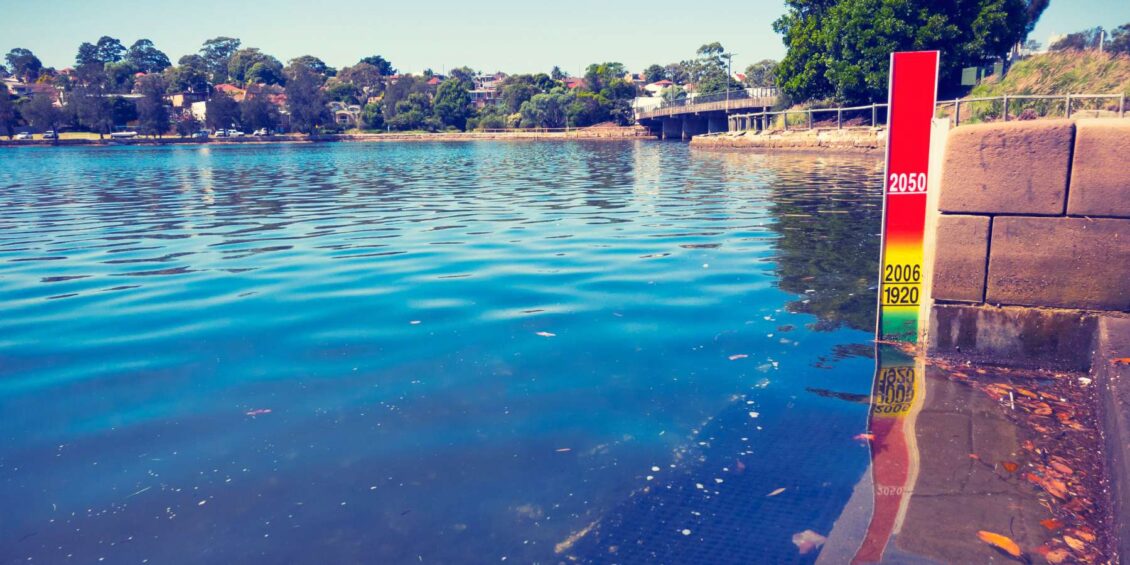
As climate change accelerates, conservation is no longer about simply protecting what the world has left; it is about rethinking how people understand and manage the natural world.
Conservation is entering a new era shaped by groundbreaking research and fresh perspectives. From advanced technologies that monitor ecosystems in real time to innovative strategies that restore fragile habitats, science is guiding the way forward.
This blog highlights the cutting-edge research driving conservation efforts and reveals how these discoveries are shaping a more sustainable future for the planet.
Why Conservation Matters Now
Rising sea levels, disappearing species, and extreme weather patterns are no longer abstract warnings; they are today’s reality. For communities across the UK, including those in Wales, the environmental impacts are already being felt.
From flooding that damages homes and infrastructure to biodiversity loss in woodlands and rivers, the cost of inaction is becoming painfully clear.
Conservation has always been about protecting ecosystems, but in the 21st century, it must evolve to meet new challenges. This means combining traditional stewardship with modern science, using data, technology, and innovation to tackle problems at their root.
The Role of Research and Innovation
Science is increasingly guiding conservation strategies. Satellite monitoring allows researchers to track deforestation in real time. DNA analysis helps scientists understand population health among endangered species. Artificial intelligence is even being used to predict the spread of invasive plants and animals.
Research projects worldwide are offering glimpses of what a more sustainable future could look like.
For example, initiatives like that of deep.com are exploring how cutting-edge technologies and underwater research can help us better understand ecosystems that are often overlooked, but critical to planetary health.
Such efforts provide vital knowledge that can inform policy and action on a global scale.
Local Action, Global Impact
While international projects are invaluable, local conservation work remains equally important. In Wales, organisations are restoring peatlands to capture carbon, protecting coastal habitats to combat erosion, and encouraging farmers to adopt more sustainable practices.
These efforts may appear small in isolation, but collectively they contribute to the broader fight against climate change.
Education and community involvement also amplify impact. Citizen science projects, such as bird counts or beach clean-ups, not only provide researchers with valuable data but also foster a sense of responsibility among participants.
By involving more people in hands-on conservation, awareness turns into action. Across the country, schools are increasingly incorporating environmental projects into the curriculum, ensuring that the next generation grows up with both knowledge and practical experience.
A Shared Responsibility
The future of conservation rests on collaboration. Businesses need to reduce their ecological footprints and support green innovation. What makes today different from previous decades is the convergence of urgency and possibility.
We now have both the tools to understand the challenges and the technology to address them. The question is whether we will use them in time.
Conservation is no longer a passive act of preservation—it is an active, dynamic process guided by science and innovation.
If embraced fully, it offers a blueprint not only for saving the natural world but for securing humanity’s future alongside it. The responsibility may feel vast, but the opportunities for change have never been greater.
