

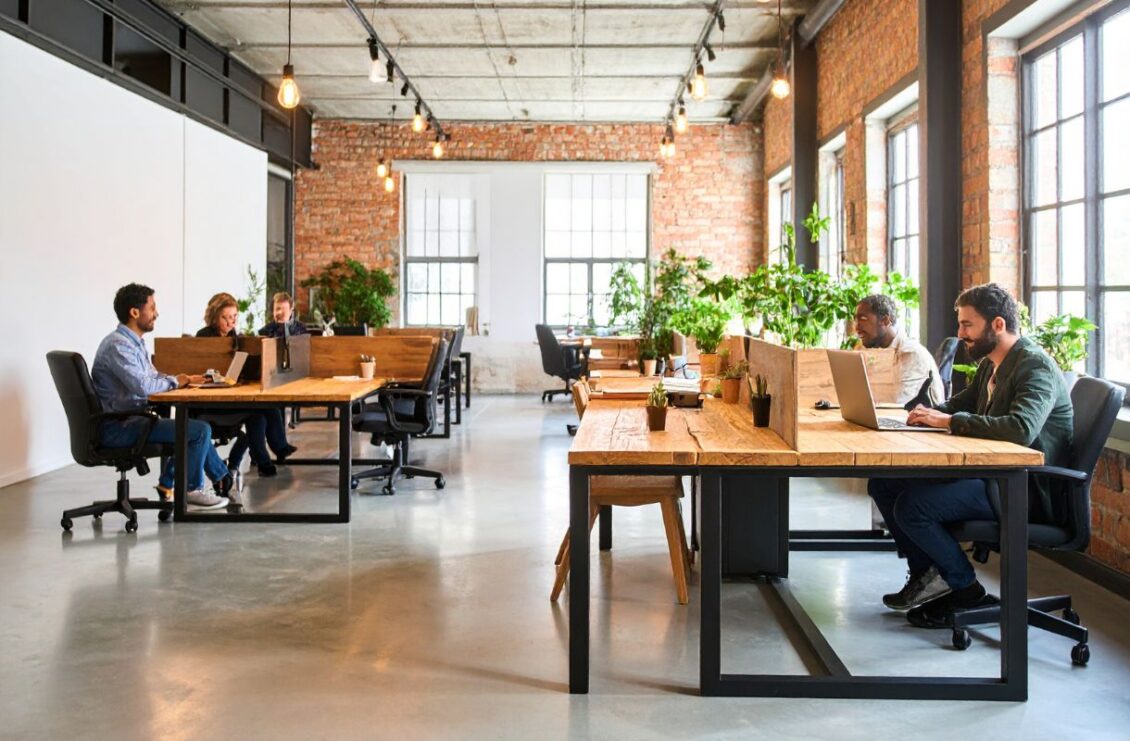
Workplaces have begun to recognise the value of neurodiversity, the concept that neurological differences, such as autism, ADHD, dyslexia and dyspraxia, are natural variations of the human brain rather than deficits. As businesses increasingly strive for inclusivity, office design has emerged as a key factor in supporting neurodiverse employees. Thoughtful, neurodiversity-conscious spaces not only improve productivity but also foster a sense of well-being, creativity and belonging.
Challenges of Traditional Office Designs
Traditional office designs, with their open-plan layouts, bright fluorescent lighting and noisy communal areas, can be particularly challenging for neurodiverse individuals. Those with heightened sensory sensitivities may struggle to focus in such environments, while others may find it difficult to navigate spaces designed for a neurotypical majority. By considering neurodiversity in office design, employers can create environments that accommodate a wider range of needs, ultimately leading to more engaged and satisfied staff.
The Role of Lighting and Acoustics
One key aspect of inclusive office design is lighting. Natural light is often preferred because it reduces eye strain and improves mood. For employees who are sensitive to bright or flickering lights, adjustable task lighting or the use of softer, indirect lighting can make a significant difference. Similarly, acoustics play a crucial role. Noise-cancelling partitions, quiet zones and designated collaborative areas can help neurodiverse employees manage auditory distractions, enabling them to focus more effectively.
Furniture and Workspace Flexibility
Furniture and spatial layout are equally important. Providing a variety of workspaces, from quiet, private areas to collaborative hubs, allows employees to choose the environment that best suits their cognitive style. Adjustable desks, ergonomic chairs and flexible seating arrangements cater to both comfort and productivity. Such flexibility demonstrates a commitment to employee well-being and recognises that a one-size-fits-all approach to office design is no longer appropriate.
The Impact of Colour
Colour schemes also have a profound impact on neurodiverse individuals. Bold, high-contrast colours or overly stimulating patterns may trigger discomfort or anxiety in some employees, whereas neutral and calming tones can enhance concentration and reduce stress. There is an increased attention to the neurodiversity in offices which is leading to more neutral colours in offices for interior design. Thoughtful colour choices signal to staff that their sensory needs are being considered, fostering a sense of inclusivity and care.
Incorporating Nature and Biophilic Design
Incorporating nature into office design, often referred to as biophilic design, has additional benefits. Plants, natural textures and views of outdoor spaces have been shown to reduce stress and improve cognitive performance. For neurodiverse employees, these elements can provide a much-needed sensory refuge within the workplace, enhancing both focus and emotional well-being.
Clear Visual Communication
Another critical factor is clear visual communication. Signage, wayfinding systems and uncluttered layouts help individuals with dyslexia or attention differences navigate the workspace independently, reducing stress and reliance on colleagues for guidance. Simple design considerations such as labelled storage, consistent colour coding and logical desk arrangements contribute to a more accessible and supportive environment.
The Business Case for Inclusivity
Ultimately, designing with neurodiversity in mind is not just an ethical choice; it is a business advantage. Inclusive workplaces tend to experience higher employee retention, greater innovation and improved overall morale. By accommodating a variety of cognitive styles, companies can tap into the full potential of their workforce, fostering creativity, collaboration and resilience.
