

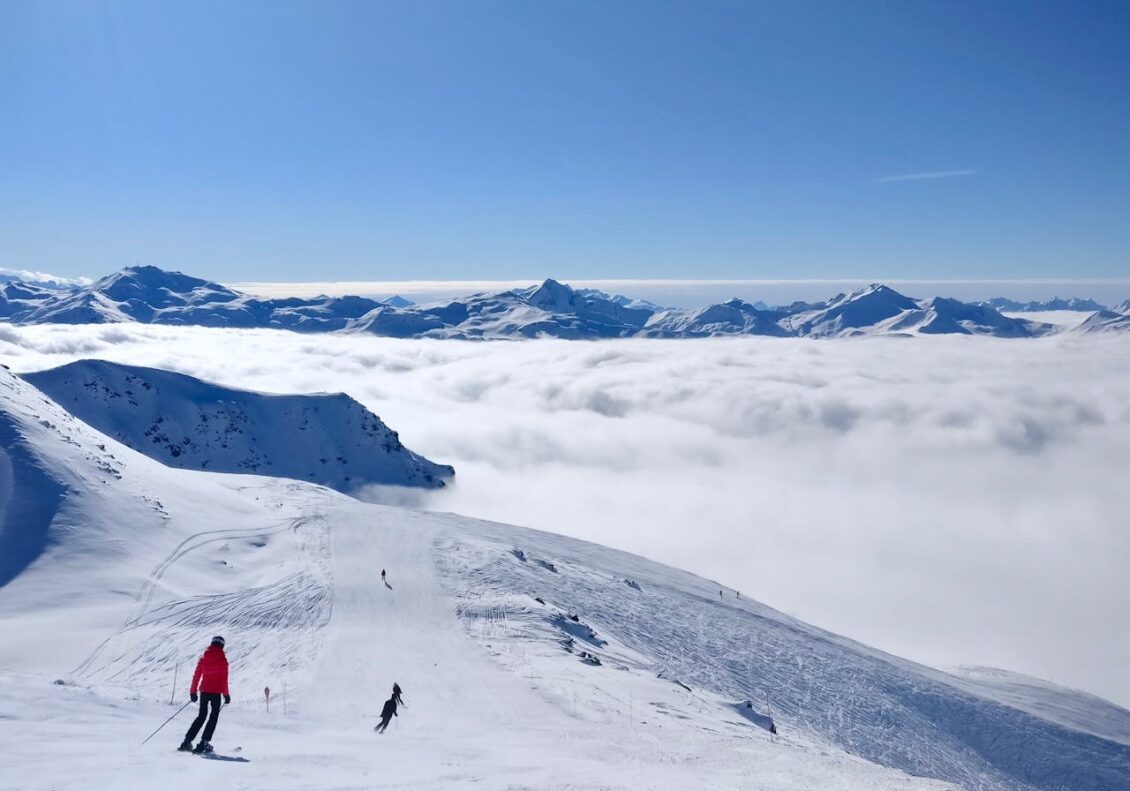
Let’s face it: booking a ski trip these days often comes with a side of “snow anxiety.” With shifting weather patterns across the Alps, the fear of arriving at a resort only to find green patches instead of white powder is real.
But there is one place where you can leave those worries at sea level.
Val Thorens isn’t just another dot on the French Alps map. As the highest ski resort in Europe, it operates on a different level—literally and figuratively. While lower resorts might struggle to keep their home runs open, Val Thorens is usually burying its base stations in fresh snow.
If you are planning your winter getaway for the 2025/26 season, you aren’t just looking for a hotel room; you are looking for a guarantee. You want to know that when you click into your bindings, you’ll be gliding on quality snow, not slush. Whether you are a first-timer or a seasoned pro, here is why this high-altitude giant remains the undisputed king of reliability.
Europe’s Highest Resort — Still Reigning at 2,300m
When we say “high,” we aren’t just talking about the peaks. The village of Val Thorens itself sits at 2,300 meters. To put that in perspective, you are sleeping, eating, and partying at an altitude where many other resorts are already terminating their highest ski lifts.
This elevation is your ultimate insurance policy against a bad winter. While lower resorts in Austria or France might be nervously watching the thermometer, Val Thorens ski resort is often opening its lifts in late November and keeping them running smoothly until early May.
Why does this altitude matter for your 2025/26 trip?
- Snow Reliability: 99% of the ski area is situated above 2,000 meters. This means the snow stays colder, drier, and grippier for longer.
- The “Fridge” Effect: Even when spring sun hits the Alps in April, the north-facing slopes of Val Thorens hold their powder, avoiding that heavy “soup” texture you find elsewhere.
- Access for All: Don’t let the height scare you off. It’s not just a playground for adrenaline junkies. The resort is designed so that even beginners can learn on high-quality snow right at the village doorstep, without having to take a gondola down to find a safe patch.
Whether you are carving up the Péclet glacier or just learning to turn on the magic carpet, you are doing it on the best possible canvas.
What’s New This Season? A Legend Returns
If you visited last year, you might have noticed a missing piece in the puzzle. For the 2025/26 season, Val Thorens is back at full strength with significant upgrades that change how you move around the mountain.
The headline news is the grand return of the Cime Caron cable car. After a season-long hiatus for major refurbishment and safety upgrades, this iconic lift is back online with brand-new, streamlined cabins. Why is this a big deal? It restores the direct, adrenaline-pumping link to the 3,200m peak without the detours we saw last winter.
But the lift is just the transport; the destination has evolved, too.
- Caron 3200: Once you step off the new cable car, you aren’t just standing on a windy peak. You are entering the fully operational Caron 3200 complex. Think rooftop terraces with 360° views of the Alps, a high-altitude wine bar, and a panoramic restaurant. It transforms a frozen summit into a place where you actually want to hang out, not just ski down immediately.
- The New “Face Nord” Gondola: Say goodbye to the old, slow Glacier and Col chairlifts. They have been replaced by a modern 10-seater gondola. This isn’t just a comfort upgrade; it drastically improves the flow toward the Orelle sector, making the link to the “fourth valley” faster and warmer (essential on those -15°C January mornings).
- Smoother 3 Vallées Connections: If you love venturing over to Méribel, the connection just got a luxury upgrade. The notorious Côte Brune chairlift—famous for being freezing cold—has finally been replaced by a sheltered gondola, making the return trip to Val Thorens a pleasure rather than an endurance test.
This season isn’t just about maintaining the status quo; it’s about removing the bottlenecks that used to slow you down.
Val Thorens vs the Rest of the 3 Vallées
Choosing a base in the world’s largest ski area, Les 3 Vallées, can feel like picking a favorite child. They are all part of the same 600km family, but their personalities couldn’t be more different.
So, how does Val Thorens stack up against its famous neighbors like Courchevel and Méribel?
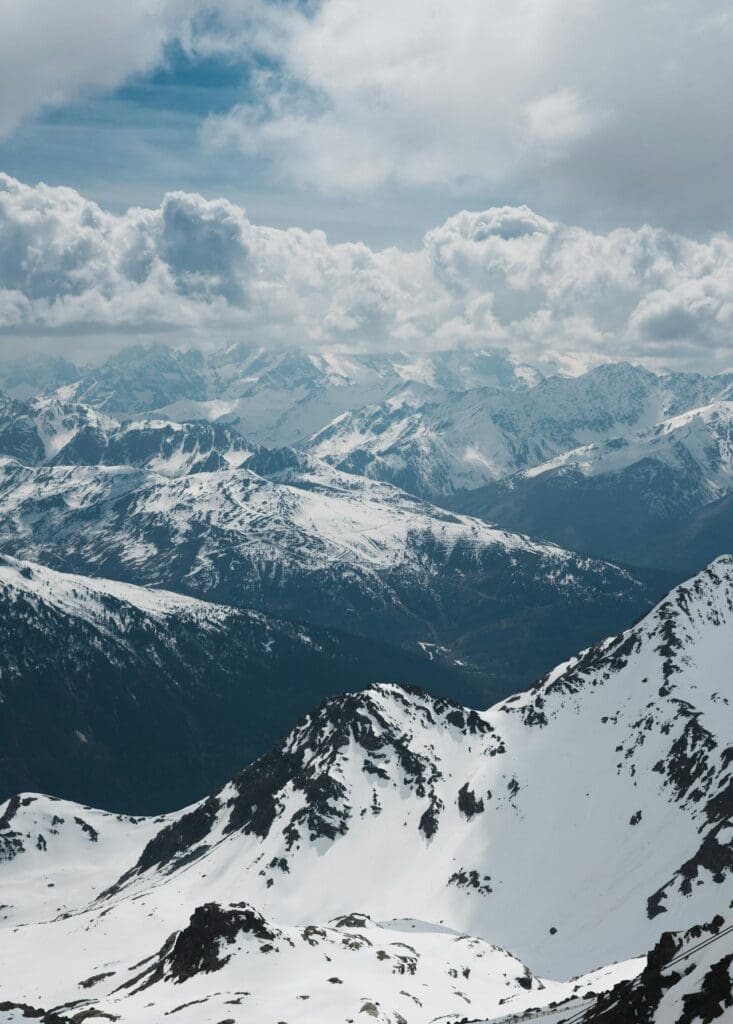
- The Terrain: Alpine Bowls vs. Tree-Lined Runs Val Thorens is a high-alpine playground. The terrain here is vast, open, and above the tree line.
- The Pro: You get wide, motorway-style pistes and endless off-piste potential that feels like the top of the world.
- The Con: Without trees for contrast, visibility can be tricky during a whiteout. In contrast, Courchevel and Méribel offer tree-lined runs that protect you from the wind and help you see when the fog rolls in.
- The Vibe: Sporty vs. Posh If Courchevel is the wealthy uncle in a fur coat, Val Thorens is the athletic cousin in high-tech Gore-Tex. The vibe here is decidedly “sport-first.”
- People come here primarily to ride hard, not just to be seen lunching.
- While Courchevel 1850 dominates the luxury market and Méribel captures the classic chalet charm, Val Thorens owns the après-ski and nightlife scene (think La Folie Douce and Bar 360), attracting a younger, high-energy crowd.
- Convenience: The “Ski-in/Ski-out” King This is where Val Thorens wins, hands down. Because the village was purpose-built at altitude, almost every accommodation is truly ski-in/ski-out. You rarely have to lug your gear onto a bus or walk miles in ski boots—a massive advantage if you are maximizing your time on the slopes.
Verdict: Choose Val Thorens if you want the best snow conditions and maximum convenience. Choose Méribel if you need a central location to explore the whole area equally, or Courchevel if you prefer luxury shopping and tree skiing.
Getting There — The Smart Way
Let’s be honest: Val Thorens is at the end of the Belleville Valley, and getting to the “top of the world” takes a bit of effort. The nearest major international hub is Geneva Airport (GVA), and while the flight is easy, the final 150km leg to the resort can make or break your trip.
You essentially have three options:
- The DIY Route (Train + Bus): You can take a train to Moûtiers, but this often involves changes and dragging ski bags across platforms. Once you arrive in Moûtiers, you still face a 45-minute bus ride up the mountain. It’s doable, but tiring.
- The Rental Car Roulette: Driving yourself gives you freedom, until you hit the steep, winding ascent from Moûtiers. If you aren’t confident putting snow chains on by the roadside in a blizzard, this might not be the relaxing start you want.
- The Pro Choice (Private Transfer): For the 2025/26 season, most savvy skiers are skipping the logistics headache.
A private airport transfer is the only true door-to-door solution. Instead of navigating bus timetables or icy roads, a driver meets you at arrivals, handles your gear, and drives you straight to your accommodation.
If you want to maximize your time on the slopes (and minimize stress), booking a private Geneva to Val Thorens transfer is the smartest investment you can make. It transforms a grueling travel day into a comfortable scenic drive through the Tarentaise Valley.
Who Should Put VT on Their List in 2025/26?
Not every resort fits every skier. Val Thorens has a specific intensity that appeals to certain types of travelers more than others. Is it the right match for you?
- The “Early Bird” and “Late Bloomer” If you are constrained to travel at the edges of the season—early December or late April—Val Thorens is non-negotiable. While other resorts are relying on artificial snow cannons to patch up brown spots, VT is usually fully operational. It is the best destination for anyone who refuses to gamble with their vacation dates.
- The High-Mileage Addict Do you track your vertical drop on an app? With immediate access to the 600km of the 3 Vallées, you can ski for a week without repeating a run. It serves as the perfect high-altitude base camp: start high for the best snow, drop into Méribel for lunch, and return to the peaks before the lifts close.
- The “Non-Skier” in the Group Surprisingly, Val Thorens has become a haven for those who don’t ski. It’s no longer just about the slopes.
- The Cosmojet: The longest toboggan run in France (6km) offers 45 minutes of pure adrenaline.
- The Bee Zipline: A double zip line that flies you over the pistes.
- Sports Centre: A massive indoor complex with pools and spas to wait out the storm or relax muscles.
- Families with Teens While small children might find the cold and altitude a bit harsh in January, families with teenagers thrive here. The snow parks are world-class, the Wi-Fi on the lifts is fast, and the village layout gives teens a sense of freedom without them getting lost in a sprawling town.
Big Altitude, Big Energy — Val Thorens Delivers Again
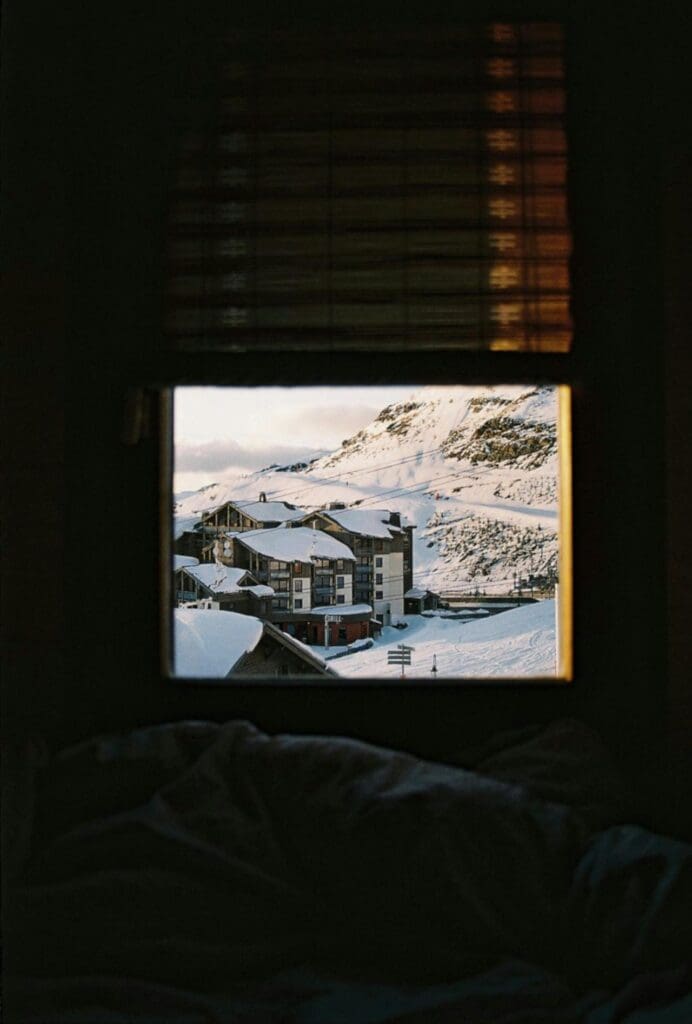
Val Thorens doesn’t just promise a ski trip; it promises a guarantee. In a world where winter weather is becoming increasingly fickle, this resort stands as a fortress of white gold. It offers the rare peace of mind that comes from knowing the snow will be there when you arrive, whether you book for Christmas or Easter.
But it is more than just a safe bet. It is an energy. From the high-tech efficiency of its lift system to the pulse of its après-ski, Val Thorens demands to be experienced at least once. If you are looking for the pinnacle of European skiing in 2025/26—literally and metaphorically—you have found it.
The mountains are calling. The only question left is: how will you answer?
Start Your Trip the Right Way
Don’t let the stress of logistics overshadow the excitement of your holiday. Navigating icy mountain roads or waiting for delayed buses is the quickest way to kill the vacation vibe.
Take the shortcut to the snow.
Secure your Geneva to Val Thorens private transfer today with 3valley-transfers.com. Ensure your journey is as smooth as the fresh groomers waiting for you at 2,300m.
Book now to lock in your ride and travel in comfort.
