

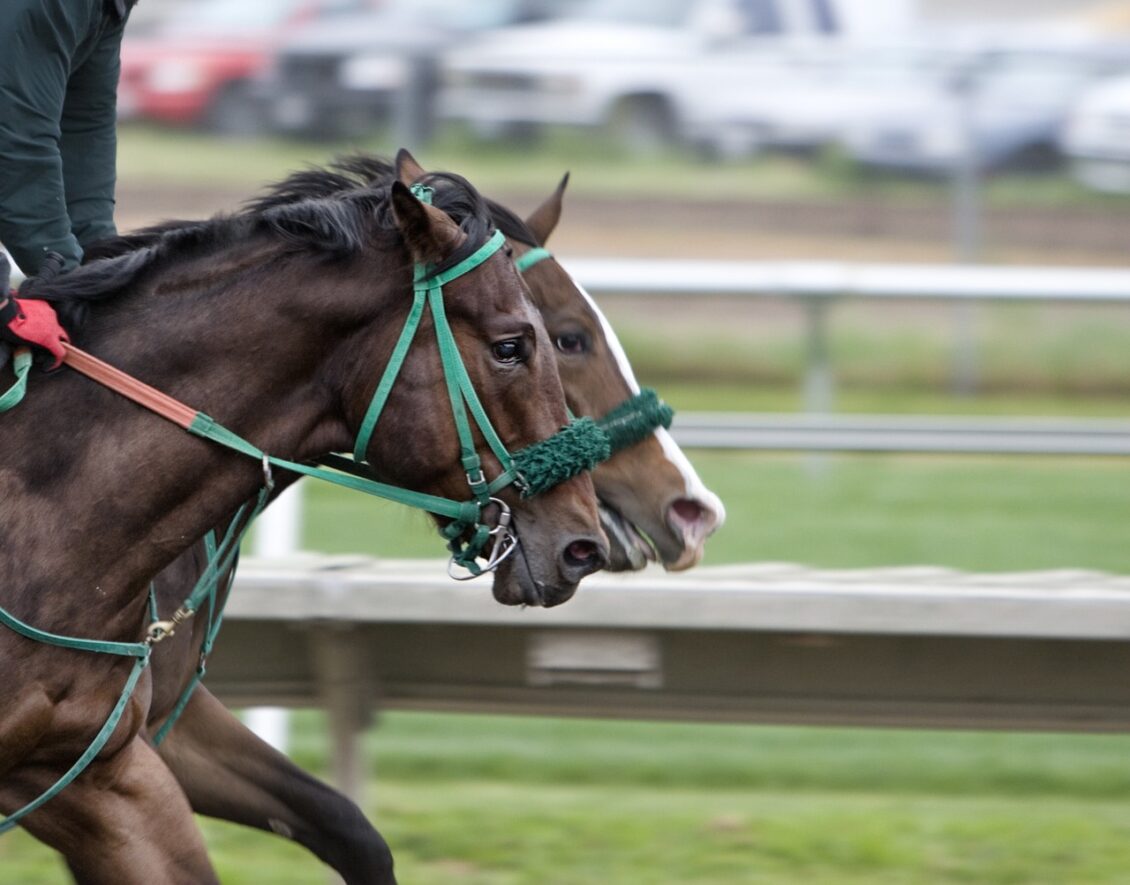
Despite not being one of the countries most remembered for its horse racing landscape, Wales is still respected in the industry, with a proud blend of sport and local culture. The country may have fewer racecourses than nearby countries such as England, but each venue has a strong identity and a loyal following. Wales’ horse racing scene provides a range of courses, from coastal tracks to lush courses set against rolling hills. This article will explore some of Wales’s leading racecourses, delving into their history and what makes each one special.
Chepstow Racecourse
Chepstow Racecourse sits close to the border with England, near the River Wye. It is the largest racecourse in Wales and is known mainly for jump racing. The course opened in 1926 and has grown into one of the most respected National Hunt venues in Britain.
The track is left-handed and galloping, with a long home straight that often favours strong finishers. Chepstow is famous for hosting the Welsh Grand National, one of the most demanding staying chases of the season. The race often takes place on heavy ground, which adds to its reputation as a true test of stamina.
Because of its proximity to England, Chepstow often attracts horses and racegoers who also follow major meetings elsewhere, including Cheltenham. Many fans who attend Chepstow throughout the season also engage with the sport during the Festival period, when interest in racing content, previews, and features such as Cheltenham free bets tends to increase as part of wider coverage of jump racing’s biggest week.
Ffos Las Racecourse
Ffos Las is the newest racecourse in Wales, opening in 2009 on the site of a former open-cast coal mine in Carmarthenshire. Its creation marked the return of horse racing to West Wales after many years. The course was designed with modern standards in mind and has quickly earned respect among trainers and jockeys.
The track hosts both flat and jump racing, making it one of the most versatile venues in the country. It is a flat, left-handed course that tends to suit horses that travel smoothly and handle long straights well. The openness of the landscape means the course can be exposed to the weather, which can influence conditions underfoot.
Ffos Las is known for its relaxed feel and strong links to the local community. The facilities are modern but simple, and the views across the Carmarthenshire countryside add to the appeal. It has become an important venue for Welsh racing and continues to grow in reputation.
Bangor on Dee Racecourse
Bangor-on-Dee Racecourse is located in the north east of Wales, close to the town of Wrexham. Despite its name, the course does not cross the River Dee, though it sits alongside it, providing a scenic backdrop. Bangor-on-Dee is one of the oldest racecourses in Wales, with racing recorded there as far back as the 18th century.
The course specialises in jump racing and is known for its sharp, left-handed track. The fences are considered fair, and the course often rewards horses with good jumping and tactical speed. It is a popular venue for smaller trainers and owners, as well as for racegoers who enjoy being close to the action.
Bangor-on-Dee has a traditional feel, with a strong sense of history that prioritises racing over luxury. Its position near the English border also helps attract a wide range of runners and spectators.
Welsh National Identity and Racing Culture
Horse racing in Wales reflects the wider character of the country. The racecourses are often closely tied to their surroundings and local communities. Many meetings have a social feel, with families and groups of friends attending as part of a day out rather than solely for the sport.
The scale of Welsh racecourses also shapes the culture of Welsh racing, with each course becoming important in its region. This creates a strong bond between racecourse staff, participants, and regular visitors. The result is a racing culture that values welcome, tradition, and shared enjoyment.
The Role of Welsh Racecourses Today
Today, Welsh racecourses play an important role in the national racing calendar. They provide opportunities for horses at different stages of their careers and offer trainers a range of conditions and track types. Major races such as the Welsh Grand National help keep Wales firmly on the racing map.
At the same time, these courses contribute to the local economy through tourism and employment. Race meetings bring visitors to towns and rural areas that may otherwise see less footfall. This wider impact adds to the value of racing in Wales beyond the sport itself.#
Conclusion
The best racecourses in Wales each offer something distinct. Chepstow stands out for its scale and testing jump races; Ffos Las represents modern Welsh racing with its flexible programme; and Bangor-on-Dee provides tradition and character in a scenic setting. Together, they showcase the depth and variety of horse racing in Wales. While small in number, Welsh racecourses deliver quality, atmosphere, and a strong sense of place that continues to attract racegoers year after year.
Underage gambling is an offence. You must be over 18 years old to gamble.
Any form of gambling should always be fun, playing in a way that is right for you. It’s good to set limits, take time out or set up reminders.
Please gamble responsibly and in moderation.
For more information on the tools available to help to keep you safe or if you want advice or support you can call the National Gambling Helpline on 0808 8020 133 (England, Scotland and Wales or visit Gamblingtherapy.org).
