

The world of events has changed dramatically over the last decade. From corporate conferences to weddings and community festivals, organisers face increasing pressure to create experiences that are not only memorable but also adaptable. Whether it’s due to shifting guest expectations, unpredictable weather or evolving safety requirements, flexible event solutions have become essential. These solutions allow planners to pivot quickly, scale space up or down and deliver seamless experiences no matter the circumstances.
The Rise of Hybrid and Pop-Up Experiences
One of the major trends reshaping the events landscape is the rise of hybrid and pop-up experiences. Hybrid events, which blend in-person and virtual elements, require infrastructure that can support varied setups and last-minute changes. Pop-ups, on the other hand, are temporary by design, often appearing in unexpected locations or for limited durations.
Traditional venues can struggle to accommodate these evolving formats because they typically come with rigid layouts and fixed capacities. This has fuelled demand for versatile alternatives, like modular structures, adaptable seating plans and multifunctional spaces, that allow events to feel custom-built rather than shoehorned into whatever the venue provides.
Weatherproofing: Outdoor Doesn’t Mean Uncertain
Outdoor events have always carried a level of unpredictability, especially when the weather turns. Gone are the days when a sudden rainstorm or heatwave could derail an entire event. Today’s planners are turning to flexible solutions that protect attendees and equipment without compromising aesthetics or comfort.
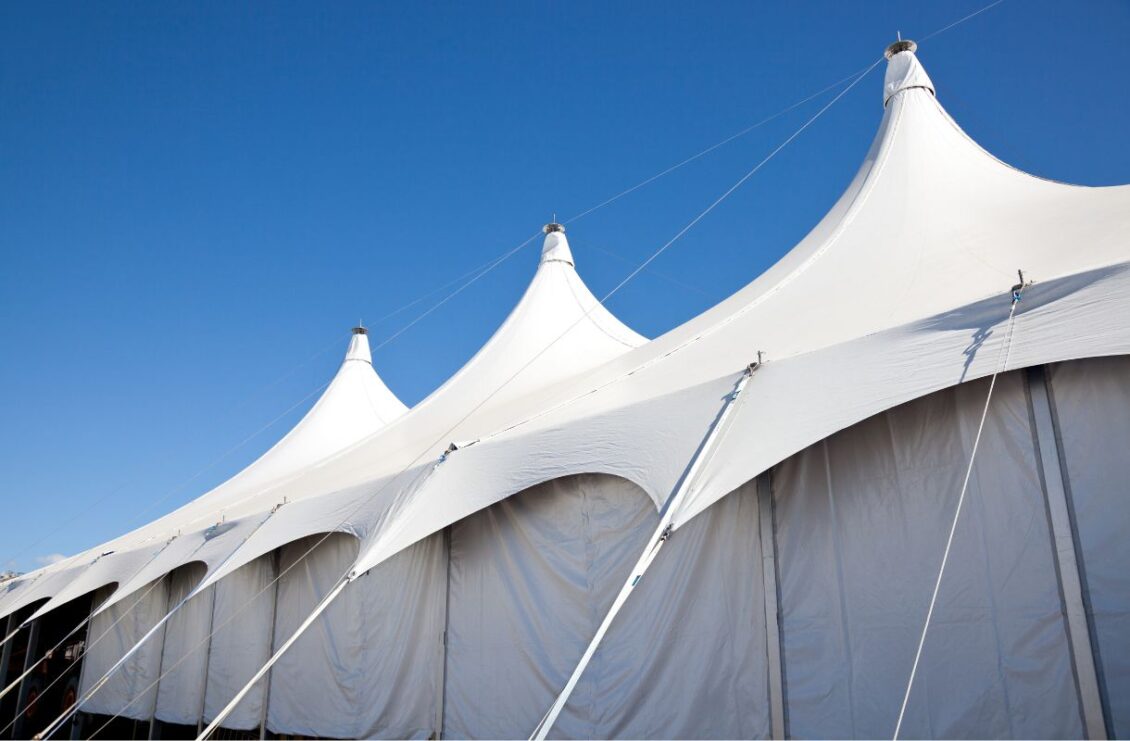
For many, this means investing in high-quality temporary structures that can transform outdoor spaces into functional event environments. Whether it’s adding clear roofing for light and visibility or installing side walls for wind resistance, these adaptable options ensure that events can proceed regardless of the forecast. From trade shows to garden weddings, the ability to weatherproof an event has become a non-negotiable aspect of planning.
Sustainability: A Key Driver of Flexibility
Sustainability has moved from buzzword to business imperative, and the events industry is no exception. Clients today are increasingly conscious of the environmental footprint of their events, pushing planners to find solutions that are both flexible and eco-friendly.
Flexible event infrastructure often aligns with these sustainability goals. Reusable structures, adjustable layouts that reduce waste, and materials that can be repurposed from one event to the next all contribute to a greener approach to event planning. By prioritising sustainable flexibility, organisers can meet the needs of their clients while minimising environmental impact.
Personalisation: Tailoring Spaces to Unique Needs
Every event has its own personality, audience and objectives. With more emphasis on creating bespoke experiences, generic venue spaces are losing ground to solutions that allow for greater customisation. Flexible event solutions empower planners to tailor spaces to exact specifications, whether that means creating intimate lounges, immersive theme environments or expansive exhibition floors.
From lighting and décor to spatial flow and acoustics, personalised event design has become a hallmark of successful experiences. Flexible infrastructure supports these creative ambitions by providing a blank canvas that can be transformed with ease. In this way, event spaces become extensions of the brand or celebration they house, rather than mere backdrops.
The Role of Modular and Temporary Structures
At the heart of many flexible event strategies are modular and temporary structures. These smartly engineered solutions can be installed, reconfigured and removed quickly, offering unmatched adaptability. Organisers can increase or decrease space depending on attendance forecasts, adjust layouts to accommodate different activities, and even relocate setups with minimal downtime.
Companies specialising in these solutions have seen significant growth as demand rises. For example, planners often partner with trusted providers like Dynamic Marquees to access high-quality, adaptable structures that elevate outdoor and indoor events alike. Such partnerships enable planners to deliver professional, bespoke spaces without the limitations of fixed venue constraints.
Technology Integration: Enhancing Flexibility
It’s not just physical infrastructure that’s becoming more flexible; technology is playing a vital role as well. Event management software, digital signage and interactive elements can all be adapted in real time, responding to attendee behaviour and feedback. Live streaming and virtual engagement tools further expand the reach of events, allowing organisers to flex between in-person and online audiences seamlessly.
These technological integrations augment the physical flexibility of event spaces, creating experiences that feel dynamic and responsive rather than static and predetermined.
Conclusion: The Future of Events Is Adaptable
The demand for flexible event solutions is more than a passing trend. It reflects a fundamental shift in how events are designed, executed and experienced. Flexibility enables resilience in the face of uncertainty, supports sustainability goals and empowers creativity. As organisers continue to push the boundaries of what’s possible, adaptable solutions will remain at the forefront of successful event planning. Whether you’re organising a large-scale festival or an intimate gathering, embracing flexibility ensures your event can meet the moment and exceed expectations.
