

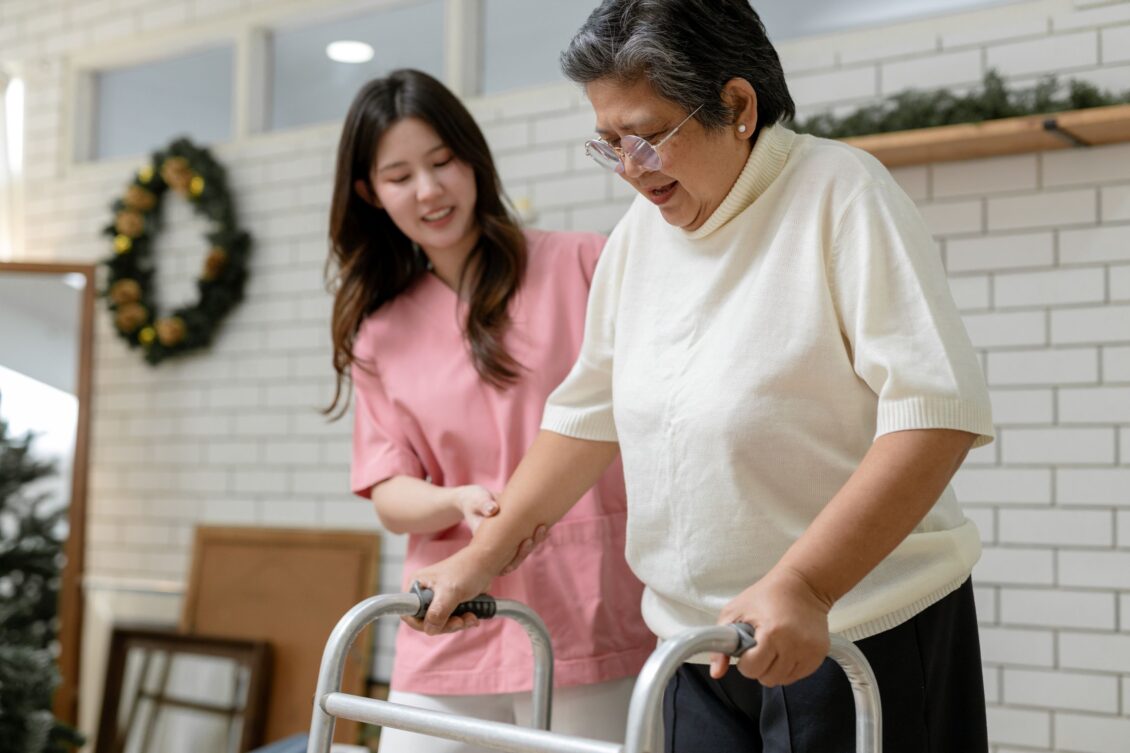
Caring is demanding. You’re expected to balance compassion with skill, and every day brings new challenges. Training is more than a formality. It’s the difference between feeling overwhelmed and feeling prepared.
When training is effective, it shows in practice. You see it in the way carers respond, adapt, and deliver care with confidence. Let’s explore what that looks like in real life.
Enhanced Confidence
Training should give you confidence, not just knowledge. When you practise scenarios and repeat tasks, you start to feel ready for whatever comes your way. Structured training courses and guided sessions help you build that mindset.
That sense of assurance grows when you know you can handle unexpected situations. If you’re worried about gaps in your skills, turning to reputable training providers such as solutionstraining.co.uk can make a difference. Their programmes are designed to strengthen confidence so you can step into your role with clarity.
Effective training also helps you trust your instincts. You stop second‑guessing yourself and start acting with certainty. That shift makes a huge difference to the people you care for, who rely on you to be steady.
Communication That Connects
Good care depends on communication. You need strong communication skills to listen, explain, and reassure. Training helps you refine tone and empathy, so your words ease stress rather than add to it.
You also develop the ability to present information clearly, whether explaining care routines or guiding families through decisions. Alongside this, active listening becomes part of your communication toolkit, helping you understand concerns fully and respond with sensitivity. When communication connects, it builds trust and reduces tension for everyone involved.
Training in communication isn’t solely about words. It’s about body language, patience, and timing. When you master these, you create a calmer environment where people feel heard and respected.
Focus on Health and Safety
Safety isn’t theoretical. It’s the checks and habits you apply every day. Training in health and safety makes those routines second nature. You learn how to apply first aid quickly and capably.
You also practise infection prevention and control, so risks are reduced. These skills protect both you and those you care for, ensuring the environment stays safe and professional.
Effective training means safety becomes part of your daily rhythm, not an afterthought.
When safety is embedded, you don’t have to stop and think about every step. You act deliberately, which keeps the pace of care smooth and helps prevent accidents before they happen.
Emotional Resilience and Self-Care
Caring can be emotionally heavy. Training that addresses mental health gives you tools to manage stress. You learn reflection techniques and how to draw on peer support.
Programmes that focus on health and wellbeing remind you to look after yourself too. When you build resilience, you’re better able to provide steady, compassionate care without burning out. Emotional strength isn’t simply about coping. It’s about thriving in a role that demands empathy every day.
Training also helps you recognise when you need support. That awareness is vital because carers who look after themselves are better placed to look after others.
Tailored Care to Individual Needs
Every person is different. Effective training shows you how to adapt. You learn approaches for caring for adults with diverse needs.
You gain insight into learning disabilities and develop dementia awareness so you can respond with sensitivity. Training also covers medication management, ensuring routines are respected and safety is upheld. By balancing personal preferences and physical health, you build trust and dignity into every interaction.
Tailored care means seeing the person, not just the condition. Training helps you notice small details that make a big difference, from dietary needs to cultural practices.
Familiarity With Tech Tools
Technology is part of modern care. Training helps you get comfortable with digital records, alarms, and monitoring devices.
Familiarity with these tools saves time and reduces errors. More importantly, it frees you to focus on the human side of care, knowing the systems support you in the background. When you’re confident with tech, you spend less time worrying about processes and more time connecting with people.
Training also ensures you use tech responsibly. You learn how to protect data and respect privacy, which builds trust with families and clients.
Continuous Learning and Reflection
Training isn’t static. Effective carers keep learning. Refresher training courses and peer‑led training sessions sharpen skills and keep standards high.

Reflection is key too. When you pause to think about what worked and what didn’t, you grow. Continuous learning ensures your care stays professional, responsive, and human‑centred. It’s about staying ready for tomorrow, not just today.
Ongoing training also keeps you aligned with new regulations and best practices. That way, your care remains safe, compliant, and respected.
Final Thoughts
Effective training for carers is practical and ongoing. You see it in the confidence to act, the ability to connect, and the resilience to keep going. It shapes the way you respond under pressure and how you adapt to individual needs. When training is consistent and meaningful, it becomes part of your daily practice rather than something separate from it.
Strong programmes also encourage reflection and nurture empathy, ensuring carers remain aligned with evolving standards and expectations. Ultimately, training is what transforms skills into care that’s reliable and truly professional.
