

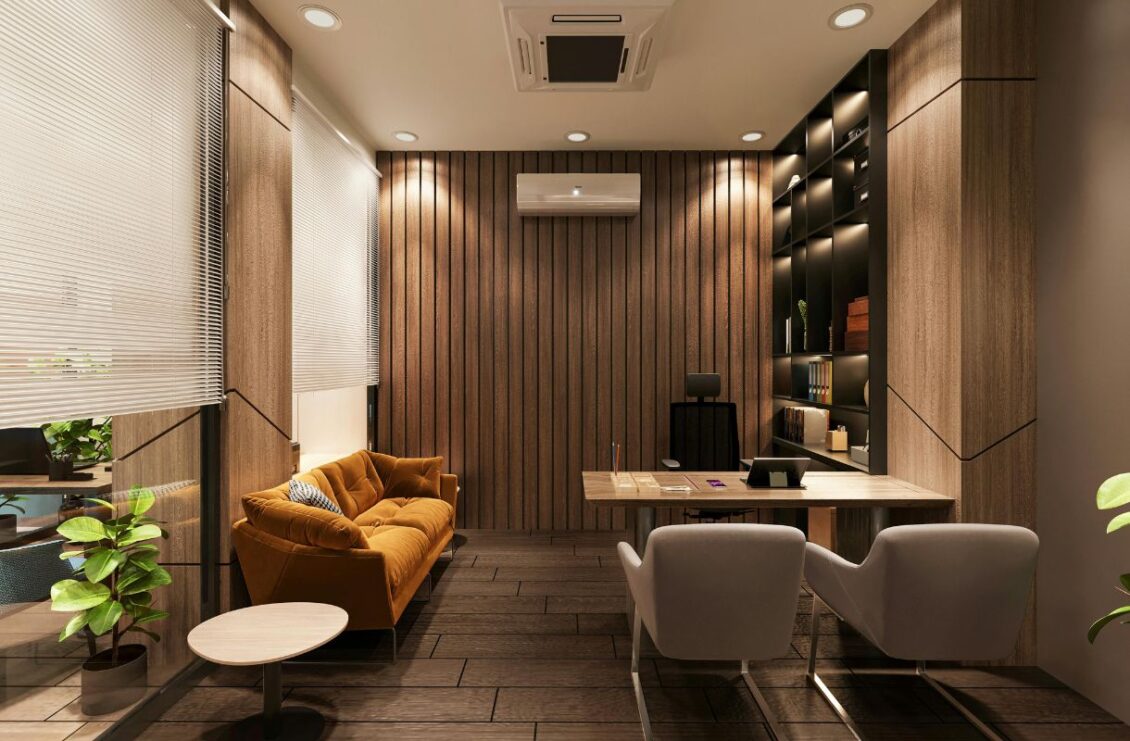
The landscape of the Welsh professional environment has undergone a significant transformation over the last few years. As businesses across Cardiff, Swansea, and the Valleys transition away from the rigid structures of the past, the focus has shifted toward creating agile, flexible workspaces that cater to a diverse range of employee needs. While the open-plan office was once hailed as the ultimate solution for collaboration, many organisations are now discovering that the lack of private space can hinder deep focus and confidential communication.
The rise of hybrid working has altered the primary purpose of the physical office. For many employees in Wales, the office is no longer a place to simply sit at a desk for eight hours; it is a hub for high-energy collaboration and team building. However, this increase in social interaction within the office often leads to a rise in ambient noise levels. According to research on workplace dynamics published by Forbes, excessive noise and a lack of visual privacy are among the leading causes of workplace stress and decreased output.
To combat these challenges, forward-thinking Welsh enterprises are investing in modular acoustic solutions. These structures allow companies to maintain the benefits of an open-plan layout while providing sanctuary for tasks that require intense concentration or private conversations. One such innovation gaining traction in modern fit-outs is the Persy one, a dedicated acoustic booth designed to integrate seamlessly into busy environments, offering a quiet retreat for phone calls and video conferencing.
The implementation of these “quiet zones” is not merely about aesthetics; it is a strategic move to support neurodiversity and mental wellbeing. Employees have different sensory thresholds, and a workspace that provides a variety of environments—ranging from high-energy communal areas to silent individual pods—is more inclusive. By allowing staff to choose where they work based on the task at hand, businesses can foster a culture of autonomy and respect.
Furthermore, the economic impact of workplace design is becoming clearer to the Welsh business community. As highlighted in recent business news on Wales247, companies that prioritise employee experience often see higher retention rates and increased recruitment success. In a competitive job market, the quality of the physical workspace serves as a tangible representation of a company’s values and its commitment to its workforce.
Sustainability and flexibility also play a role in this shift. Unlike traditional construction, which involves permanent walls and disruptive renovations, modular privacy pods are mobile and adaptable. As a business grows or changes its floor plan, these units can be moved and reconfigured without generating construction waste. This aligns with the broader Welsh commitment to sustainable development and responsible business practices.
As we look toward the future of work in Wales, the integration of specialized acoustic spaces will likely become a standard rather than a luxury. By balancing the need for connection with the necessity of silence, organisations can create a harmonious environment where innovation thrives. The goal is to build a workplace that doesn’t just house employees, but actively empowers them to perform at their professional peak. Through thoughtful design and the adoption of modern acoustic technology, the Welsh office of the future is set to be more productive, inclusive, and resilient than ever before.
