

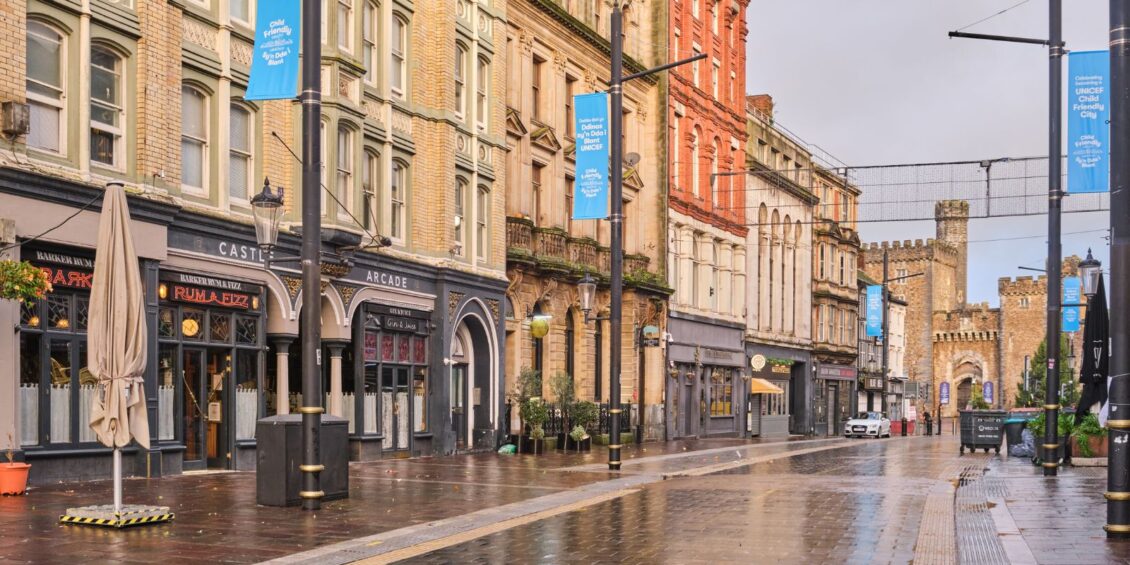
Flexible working has moved from a rare employment benefit to a normal part of modern professional life. Across Wales, remote and hybrid arrangements are changing where work happens, how money is spent, and what residents expect from local communities. For many Welsh towns, the shift brings a chance to retain skilled workers, support independent businesses, and reduce the daily pressure of long commutes.
Reliable digital services sit at the centre of this change. Platforms associated with Finteq Hub show how financial technology can make online payments and business transactions more efficient. Similar digital systems allow a remote worker in a Welsh town to receive payments, manage subscriptions, purchase equipment, and communicate with clients across different regions. Geography becomes less restrictive when daily financial and administrative tasks can be completed securely online.
Employment Is No Longer Tied to a Large City
Traditional office work often encouraged skilled professionals to move towards Cardiff, Swansea, Bristol, or cities farther away. Flexible employment weakens that connection between occupation and location. A marketing specialist, software developer, accountant, or customer support professional can now remain in a smaller Welsh town while working for an organisation based elsewhere.
This freedom may help communities keep graduates and experienced professionals. A rewarding career no longer requires an automatic move to a major urban centre. Smaller towns can offer lower living costs, familiar social connections, and easier access to the Welsh countryside. Such advantages become far more valuable when regular office attendance is limited to a few days each month.
Why Flexible Work Appeals to Welsh Residents
The attraction of remote and hybrid employment goes beyond avoiding a crowded train or a slow drive. A flexible schedule can improve several parts of everyday life.
The most noticeable benefits include:
- Less time spent commuting: Extra time can be used for family, exercise, rest, or local activities.
- Lower travel expenses: Reduced spending on fuel, parking, and rail fares can ease pressure on household budgets.
- Greater location freedom: Career opportunities become available without an immediate change of address.
- Better access to national employers: A small-town location creates fewer barriers during a job search.
- More control over the working day: Quiet tasks can be completed during productive hours, while meetings remain organised online.
Flexible working is not automatically easier. A home environment may contain distractions, and a lack of routine can blur the line between working time and personal time. Even so, a well-planned arrangement can provide a level of control that traditional office schedules rarely offer.
Local High Streets Feel the Economic Impact
Remote work changes local spending habits. A commuter once buying lunch near a city office may now visit a café close to home. Money previously spent in a distant business district can circulate through bakeries, shops, gyms, and other services in a Welsh town.
This pattern creates opportunities for independent businesses. A quiet café can become a daytime workspace, while a local printer may gain orders from home-based companies. Demand can also grow for bookkeeping, technology support, parcel delivery, and professional meeting space.
The effect is not entirely positive. Town-centre businesses must adapt to customers carrying laptops, expecting reliable Wi-Fi, and staying longer over a single drink. Commercial success may depend on understanding a new type of weekday visitor rather than relying only on weekend traffic.
Housing and Community Priorities Are Changing
A home now serves more purposes than before. A spare bedroom, quiet corner, or reliable broadband connection can influence a property decision as strongly as proximity to a station. Residents may prefer an extra room over a shorter commute, especially when office travel happens only occasionally.
Flexible employment can also support community participation. More time spent locally may create stronger connections with neighbours, schools, sports clubs, and volunteer groups. However, an influx of higher-paid remote workers could place additional pressure on housing in attractive areas. Local development therefore needs to consider affordability alongside economic growth.
What Welsh Towns Need for a Flexible Future
Remote work can support local renewal only when basic infrastructure keeps pace with changing habits.
Important priorities include:
- Dependable broadband: Video meetings and cloud-based work require stable connections throughout the working day.
- Shared workspaces: Professional rooms can help residents escape isolation or handle important meetings.
- Useful transport links: Hybrid workers still need reliable routes for occasional office visits.
- Digital skills support: Training can open flexible opportunities to a wider section of the community.
- Lively town centres: Cafés, libraries, shops, and cultural venues make local working more attractive.
Investment in these areas benefits more than remote employees. Better connectivity helps students, small companies, healthcare services, and older residents using digital platforms. A town prepared for flexible employment also becomes better equipped for wider economic change.
A New Role for Welsh Towns
Flexible working will not solve every regional challenge. Some occupations require a physical workplace, while remote roles can sometimes lead to loneliness or weaker professional boundaries. Still, the shift gives Welsh towns a valuable opportunity.
A community once viewed mainly as a place to sleep after a long commute can become a place to work, shop, build a business, and take part in local life. With sensible planning and reliable digital infrastructure, flexible employment can bring professional opportunity closer to home while giving Welsh towns a stronger economic future.
