

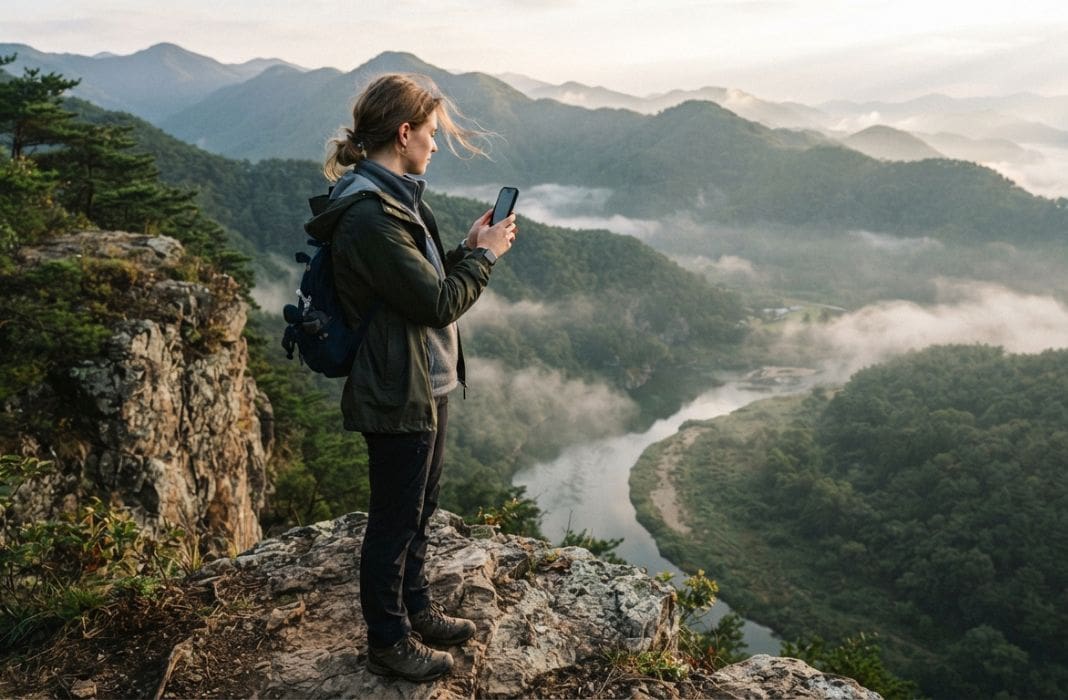
In 2026, South Korea is experiencing a remarkable transformation in its tourism sector, attracting strong interest from travelers who discover destinations through social platforms and online travel content. The country has successfully merged three powerful forces:
- A highly connected digital environment
- A globally exportable K-content ecosystem
- An active government strategy designed to convert digital attention into physical travel demand
Consequently, South Korea is now a primary source and subject of social media travel content. Creators, platforms, and agencies actively transform the massive global attention generated by K-pop, dramas, films, and regional culture into tangible destination demand.
How is K-content actively shifting tourist demand toward new regions?
Korean films and broader K-content are heavily influencing destination choices and significantly increasing searches for local attractions and accommodations. March 2026 tourism data proves this trend, showing how K-content turns obscure local settings into highly sought-after destinations. For example, following the release of the popular production The Man Who Lives with the King, the region of Yeongwol in Gangwon Province experienced a massive surge in interest.
Agoda accommodation searches for Yeongwol rose sharply, showing a remarkable 178% increase overall during the release window. This spike was not limited to domestic tourists; while Korean searches rose by 183%, foreign searches also saw a significant 67% increase. This demonstrates the cross-border influence of Korean cultural exports, as international and domestic viewers alike seek to physically experience the backdrops of their favorite media.
What makes the Korean digital landscape so friendly for travel creators?
South Korea boasts an exceptionally content-friendly digital environment that actively supports the creation and distribution of travel narratives. According to a 2026 overview, the nation features an impressive internet penetration rate of 97.4%, coupled with lightning-fast connectivity. Furthermore, the domestic audience is highly engaged, with 48.9 million social media users in South Korea who have an average daily social media use of 1 hour and 14 minutes.
This frequent daily use increases exposure to:
- Destination discovery
- Travel inspiration
- Influencer-led recommendations
The platforms utilized within the country, such as Naver Blog, Instagram, and YouTube, reward detailed, visual, and searchable storytelling. Naver Blog, in particular, functions as a hub for longer, experience-based posts that users rely on to research products, places, and services, making the entire ecosystem ideal for both sharing and consuming travel content.
How do visitors ensure seamless internet access for instant sharing?
To fully participate in this highly connected environment, international visitors must secure reliable mobile data upon arrival. Relying on public Wi-Fi is often insufficient for creators who need to upload high-resolution videos or stream live from remote regional locations. Instead, modern tourists are turning to digital solutions that eliminate international roaming charges and the hassle of physical SIM cards.
By activating a device-compatible eSIM for South Korea, travelers can enjoy high-speed local mobile data coverage through an instant digital activation via a QR code. This compatibility ensures uninterrupted access to social platforms, allowing travelers to share photogenic landscapes and hidden gems with global audiences in real time.
Why are travelers abandoning traditional landmarks for social media discoveries?
The modern tourist’s mindset has shifted dramatically, moving away from simple sightseeing toward hands-on, experience-driven trips. Travelers increasingly bypass traditional sites to hunt for new, domestic locations they discovered on their digital feeds.
Consequently, foreign tourists are increasingly visible at local attractions that were previously known only to residents. This shift is fueled by a desire for authenticity and the urge to capture unique, visually appealing content that stands out from the standard, heavily photographed landmarks of the past, allowing visitors to craft their own unique travel narratives.
How is the government amplifying this trend through official campaigns?
The South Korean government has recognized the economic potential of this digital shift and is actively implementing policies to amplify the trend. Government tourism campaigns promote domestic travel through discounts and curated experiences, steering attention toward regional destinations. In 2026, a nationwide tourism voting project was launched, which asks the public to choose 10,000 travel destinations across various themes. These themed tourism categories include:
- Food
- Nature
- Lifestyle
- Culture
- Architecture
- K-content
- Travel experiences
- Personal interests
By packaging destinations into these shareable, social-media-friendly narratives, the state is actively shaping how places are discovered. Additionally, reports from April 2026 highlight programs that brought 120 international content creators across Korean provinces to diversify the national brand and push attention beyond Seoul and traditional K-pop imagery. Spring 2026 campaigns further supported this by offering discounted transport, accommodation, vouchers, and creator-led themed trips.
Why does the local infrastructure make it easy to replicate influencer itineraries?
South Korea’s physical and digital infrastructure is perfectly aligned to support the replication of complex travel itineraries popularized by influencers. The country offers a dense, photogenic urban and regional variety within a relatively compact geographical area, making short-form travel content easy to produce and equally easy for viewers to copy. Furthermore, strong public transit systems make it easy for travelers to replicate creator itineraries without renting cars or navigating unfamiliar roads.
This is complemented by a mature creator ecosystem where prominent travel influencers in Korea amplify destination visibility on platforms like YouTube and Instagram, shaping exactly how these locations are presented and consumed by the public. Official tourism branding is also highly visible online, with VisitKorea and related accounts continuously publishing seasonal guides and itinerary-style content that seamlessly connects inspiration with logistical execution.
Visitors planning South Korea this year can use the code AMIGO-KR-0926 for 15% off any plan at amigosim.com/esim-south-korea, with the eSIM ready to activate before leaving Incheon Airport.
What should international tourists know before planning a content-inspired trip?
Before embarking on a journey inspired by online content, translating digital inspiration into a physical trip requires strategic planning. While the visual appeal of lesser-known regional spots is undeniable, accessing them often involves navigating local transit apps, reading digital maps, and understanding regional customs that may not be fully detailed in a sixty-second video reel. Tourists should research the specific themes of their desired destinations, whether they are focusing on architecture, local food, or K-content filming locations, to ensure their expectations align with reality. Because the trend heavily relies on real-time navigation and translation applications, maintaining a constant and reliable connection to the internet is not just a luxury, but a fundamental requirement for a successful and stress-free experience in a highly digitized society.
How can international travelers easily manage their connectivity needs?
Managing mobile connectivity has never been more straightforward for international travelers, thanks to the widespread adoption of digital SIM technology. Rather than wasting valuable vacation time searching for a local telecom shop at the airport, visitors can now arrange their data plans entirely online before they even depart. For example, utilizing a service like Amigo eSIM provides a seamless, fully digital setup where users can purchase their prepaid plan and install it via a QR code, allowing them to keep their primary phone number and WhatsApp active while navigating a new country. Choosing a reputable global supplier of eSIM cards provides affordable cellular connectivity, keeping travelers connected to resources and audiences without unexpected fees.
