

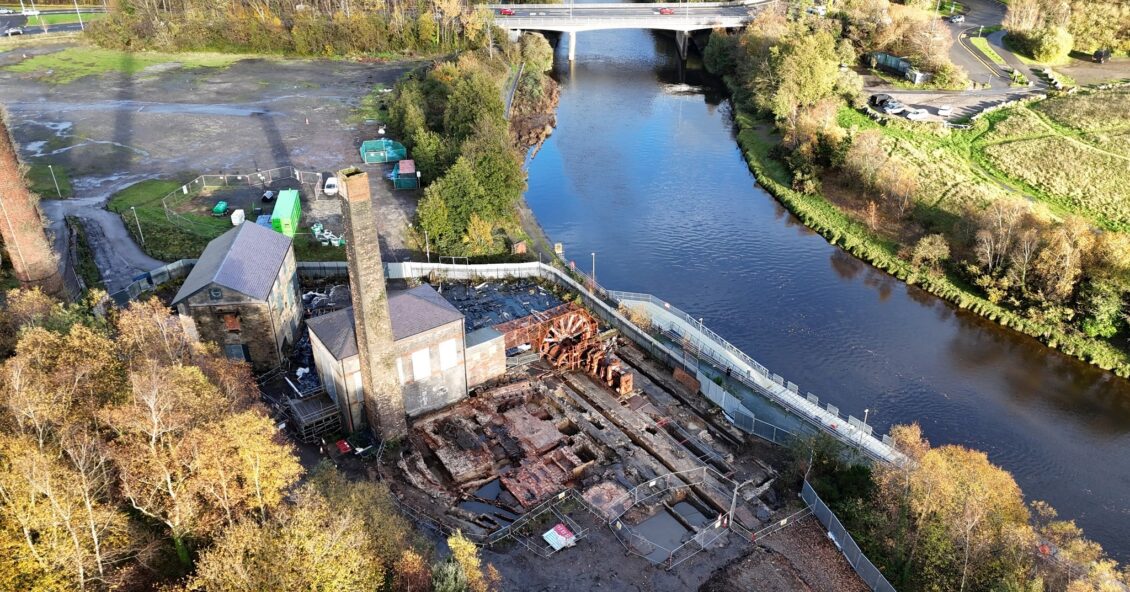
Archaeologists working on the former Hafod‑Morfa Copperworks site – soon to undergo major transformation thanks to council regeneration plans – have uncovered rare evidence of historic copper‑processing techniques.
It includes machinery, masonry and furnace networks dating back centuries.
The finds provide an unprecedented window into the evolution of copper manufacture in the Lower Swansea Valley, which once produced an extraordinary proportion of the world’s supply.
Council leader Rob Stewart said: “It’s fantastic that our finds at this historic site will be enjoyed and studied for decades to come.
“Work on this location’s main transformation will start soon – the engine houses will be made available for a range of exciting public uses.”
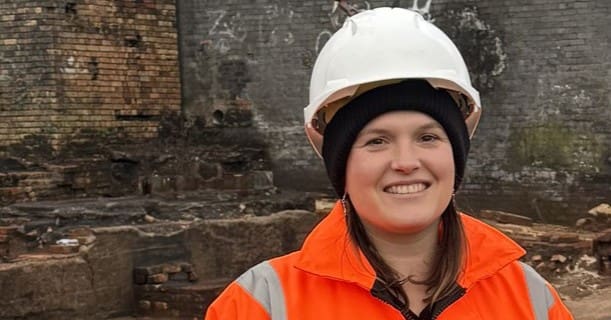
Libby Langlands, assistant project manager at Black Mountains Archaeology, said: “Our work will help inform future building designs and heritage interpretation on this site.”
The Vivian Engine House was built in 1860, the Musgrave Engine House around 50 years later.
Among the most important discoveries there are a buried machine pit, evidence for a previously unknown line of copper rolling machinery, substantial structural remains predating the existing engine houses, and a network of brick-built furnaces and flues.
These, the archaeologists say, are of international significance. They add fresh detail to Swansea’s industrial timeline while highlighting the importance of preserving and interpreting the site for future generations.
The Musgrave Engine — the only example of its kind in the world still in its original location — is a nationally significant scheduled monument. Alongside the Grade II‑listed pair of engine houses, it forms a key part of the heritage now being better understood through this detailed archaeological work.
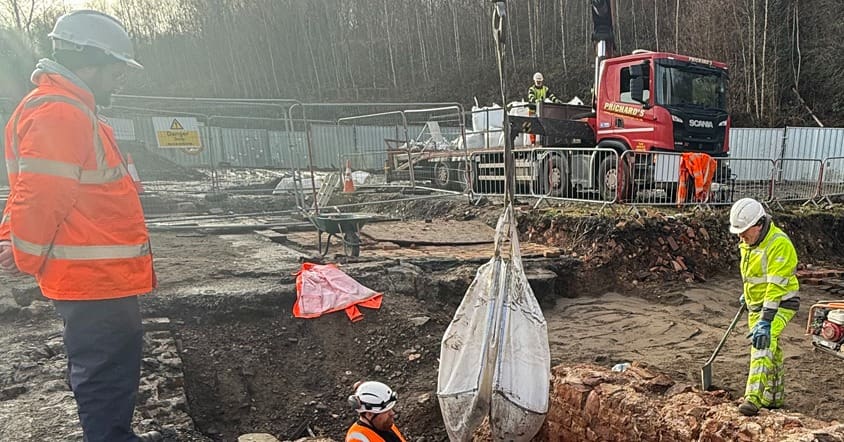
Thousands of photographs have been captured as part of a high-tech 3D imaging programme, allowing archaeologists to create highly accurate digital models of the site’s features. This will help historians interpret the finds long after physical work on the site has finished.
All archaeological reports, surveys, plans, drawings and photographs will be archived in the National Monuments Record, curated by the Royal Commission on the Ancient and Historical Monuments of Wales and the Historic Environment Record curated on behalf of the Welsh unitary authorities for anyone to access.
Heritage organisations Cadw and Heneb continue to work closely with the council and partners to ensure that significant features are preserved, and — where necessary — sensitively re‑covered in situ to protect them for future generations.
Dr Kate Roberts, chief executive of Cadw, said: “These extraordinary discoveries remind us why Swansea’s copper industry holds such an important place in world history. This archaeological work demonstrates what can be achieved through genuine collaboration.”
Judith Doyle, regional lead for Heneb GGA Region said: “Heneb, as the archaeological advisors to Swansea Council, are extremely pleased that the importance of the works itself and the exciting history of copper working in the Swansea area is being recognised, recorded and will be interpreted for posterity.”
Meanwhile, progress continues across the wider former copperworks site. New additions will complement the Penderyn whisky base, including the:
- revamp of an historic laboratory building
- installation of two additional River Tawe pontoons
- reinstatement of the historic Bascule Bridge
- construction of a new riverside walkway linking the copperworks with Swansea Marina
The council secured £20m in Local Regeneration Fund from the UK Government to support work on parts of its Lower Swansea Valley work.
