

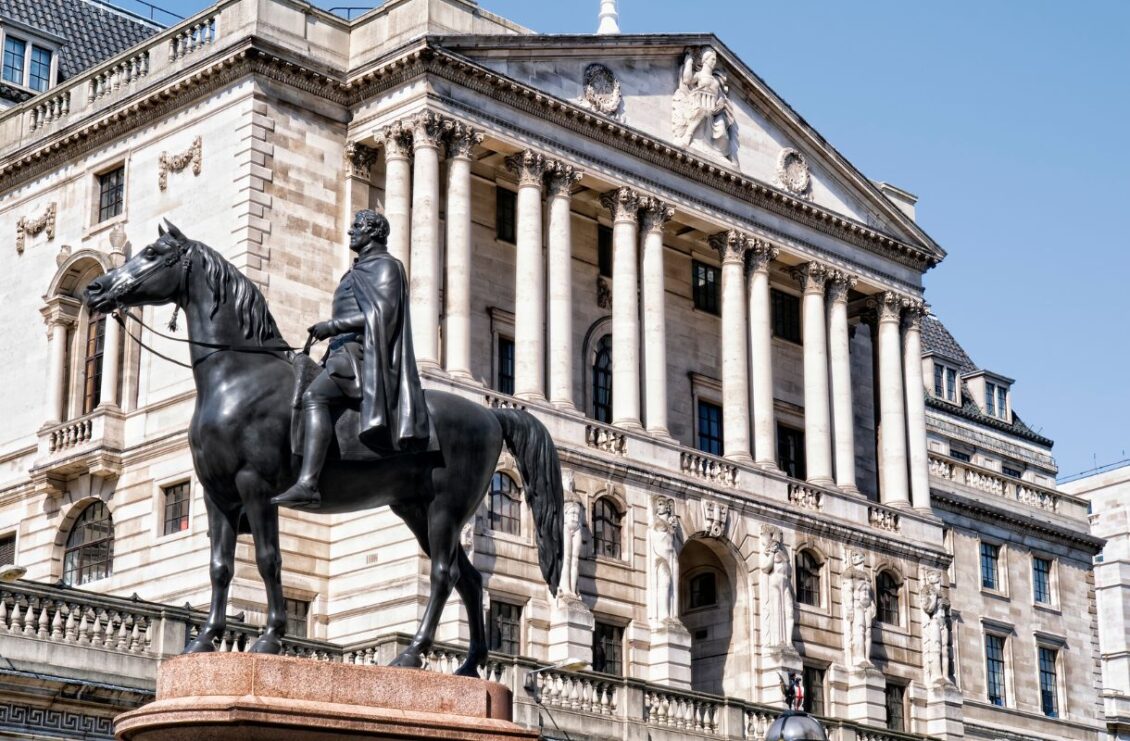
The Bank of England has chosen to keep interest rates unchanged at 4%, as policymakers continue to balance the risk of inflation with a slowing economy.
At its meeting ending on 5 November 2025, the Monetary Policy Committee (MPC) voted by a narrow margin of 5–4 to maintain the Bank Rate at 4%. Four members voted to lower the rate by 0.25 percentage points to 3.75%.
The decision comes as the UK economy shows mixed signals, with inflation edging closer to target but growth remaining sluggish. Many analysts had expected the Bank to hold rates steady ahead of the government’s Autumn Budget later this month.
Gus Williams, CEO of Chambers Wales South East, South West and Mid, said:
“Today’s 5-4 decision to hold interest rates at 4% was a close call, but ultimately the Bank of England decided against making a move.
“More interesting was Governor Bailey’s press conference, which was a ‘shrug of the shoulders’ admission that no one is really sure where the economy is or where it’s heading. Bailey sounded like he wanted to keep his powder dry in the face of potential AI, private equity and shadow banking bubbles blowing up.
“Lowering interest rates, although it might spur some increase in activity, does not really solve the underlying issues and imbalances that are driving economic stagnation across developed economies. There might be a greater risk that reducing interest rates would just exacerbate some of these imbalances.
“An unquestioning belief in the ability of monetary policy to regulate the economy over the past 30 years, especially when Bernanke was its global cheerleader, carries a lot of the blame for where we’ve ended up, so the Bank of England taking a back seat for now is probably the right call. Fiscal, not monetary policy is the key issue, hence all eyes are on the upcoming budget.”
The Bank’s cautious stance reflects ongoing uncertainty in the global economy, particularly with concerns about potential financial bubbles and slower productivity growth.
Attention will now turn to the Chancellor’s Autumn Budget on 26 November, which is expected to outline new fiscal measures aimed at stimulating investment and supporting households amid a fragile recovery.
