

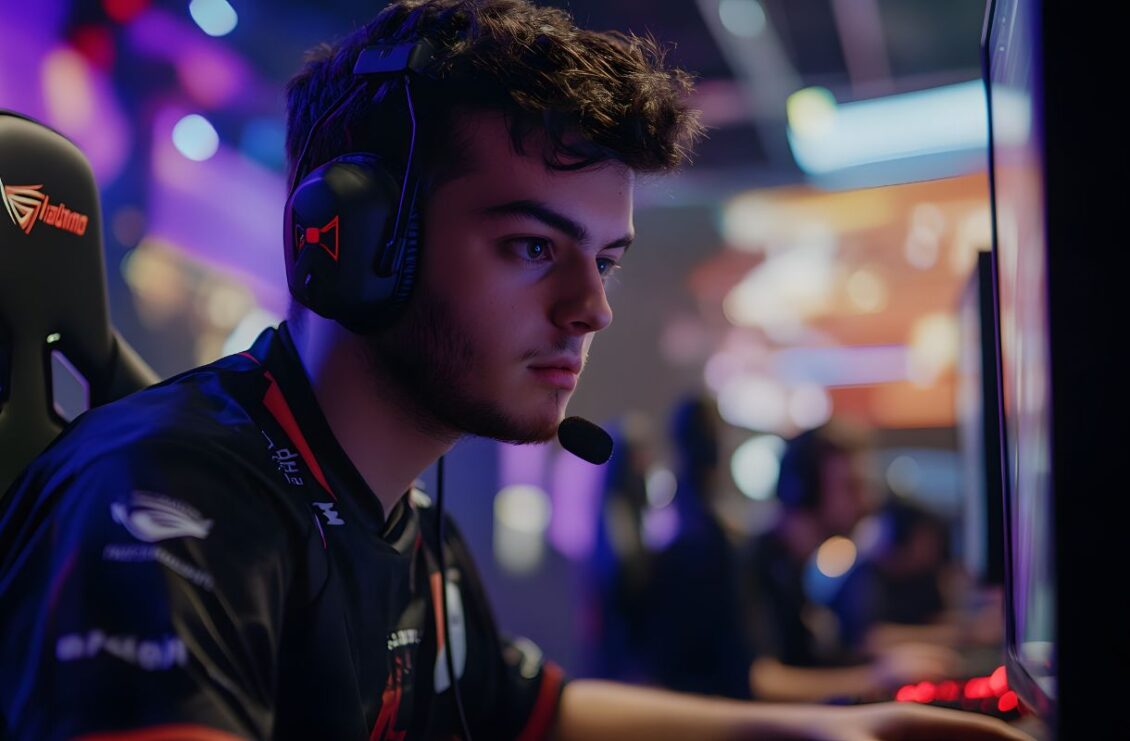
Esports Arenas Choose Hertz Over Pixels
Walk past an electronics store and the pitch is always the same: 4K, 8K, cinematic colour, bigger numbers on the box. It’s built for movies, couch viewing, and slow-moving frames. Step into a competitive arena and the priorities flip instantly. At events like Intel Extreme Masters or local tournaments inside Fortress Melbourne, the screens in front of players tell a different story.
On stage, nobody’s running 4K. The monitors are 1080p, sometimes even stretched, with refresh rates stamped boldly on the back: 360Hz, 500Hz. That choice looks strange until the reason becomes obvious. In elite esports, clarity over time beats clarity over detail. Winning isn’t about seeing more pixels — it’s about seeing sooner.
In online casinos, including platforms like Royal Reels, any form of delay in slot gameplay is unacceptable, as it immediately creates distrust among players.
The Competitive Advantage of Speed
At the core of esports performance — much like in casino online games — sit three numbers that matter far more than resolution:
- Refresh rate (Hz) measures how often the screen updates. A 360Hz panel refreshes every 2.78 milliseconds.
- Frame rate (FPS) is what the GPU delivers. To exploit 360Hz, the system must push 360+ FPS consistently.
- Latency is the invisible tax paid between input and reaction.
A useful way to frame it: 4K is a perfectly polished window. High refresh is a strobe light flashing reality hundreds of times per second. In a flick-heavy firefight, those extra snapshots translate into earlier information about enemy movement. That margin is often just a few pixels — and a few milliseconds.
Input Lag Is the First Enemy
Input lag is the time between a mouse click and the result appearing on screen. In competitive environments, including online casino Australia platforms, the target is brutal: under one millisecond at the display level.
That’s why esports standard monitors rely on TN or Fast IPS panels tuned for response, not contrast. Models like the BenQ ZOWIE XL2566K at 360Hz or the ASUS ROG Swift 540Hz are built to do one thing well: respond instantly. VA panels might look better on paper, but they smear motion when it counts most.
Motion Clarity Beats Visual Fidelity
Even fast panels blur under extreme motion. The fix comes through backlight strobing technologies.
ZOWIE’s DyAc and NVIDIA’s ULMB sacrifice some brightness to sharpen moving targets. Jumping opponents stay crisp instead of dissolving into a blur. In titles like Counter-Strike 2, Valorant, or Overwatch 2, that clarity changes how reliably shots land during rapid camera swings.
In online casino platforms, motion clarity matters because spinning reels, symbol drops, and bonus animations must remain readable at high speed. Blurring or ghosting makes outcomes harder to interpret and undermines confidence in what just happened.
Proof From the Arena Floor
The hardware choices aren’t theoretical. At Fortress Melbourne, tournament stations for CS, Rainbow Six Siege, and Dota 2 run high-refresh Full HD monitors almost exclusively. 4K screens are absent for a reason.
Australian pros from organisations like Team Bliss echo the same priorities in interviews. Refresh rate and latency top the list. Many even play at stretched 4:3 resolutions to push frame rates higher and exaggerate player models.
This approach isn’t limited to gaming. Fast-feedback environments such as Aussie online casino systems optimise around identical principles: speed first, polish second.
When Milliseconds Matter Everywhere
The fixation on low latency isn’t an esports quirk. It’s part of a broader technological pattern.
- Remote surgery demands near-zero delay between surgeon input and robotic response.
- High-frequency trading operates on microseconds, with firms colocating servers next to exchanges.
- Autonomous transport systems rely on instant V2X communication to prevent collisions.
- Live broadcasting requires minimal delay between camera feeds and final output.
Esports simply makes the trade-offs visible. It strips away marketing gloss and exposes what holds up when systems are pushed to their limits.
In casino platforms like Royal Reels online, timing accuracy matters because outcomes must appear synchronised and verifiable, leaving no room for ambiguity about when a result was generated.
Why Resolution Takes a Back Seat
The reason arenas ignore 4K isn’t cost. It’s physics. Higher resolution demands more GPU power, which raises frame times and increases latency. Every added millisecond erodes competitive consistency.
High refresh rates smooth motion, reduce perceived blur, and tighten the link between hand and eye. In that equation, pixel density becomes secondary.
The logic carries into adjacent digital spaces such as Royal Reels online casino, where smooth interaction matters more than visual excess.
Speed as Infrastructure, Not Feature
Across Royal Reels Australia, payment flows, UI transitions, and feedback loops are engineered around immediacy. That same mindset defines esports hardware choices: nothing ornamental, nothing slow.
Even in Royal Reels casino Australia, platform performance is measured by how quickly actions register and resolve, not how decorative the interface appears.
Time Is the New Currency
Esports highlights a wider shift in technology priorities. Passive media consumption values detail and resolution. Active systems reward speed and control.
Whether it’s competitive gaming, live production, or digital platforms like Royal Reels, the winners are built around reducing delay at every layer. Pixels still have value, but timing carries more weight.
In environments where outcomes hinge on fractions of a second, resolution is optional. Hertz is not.
