

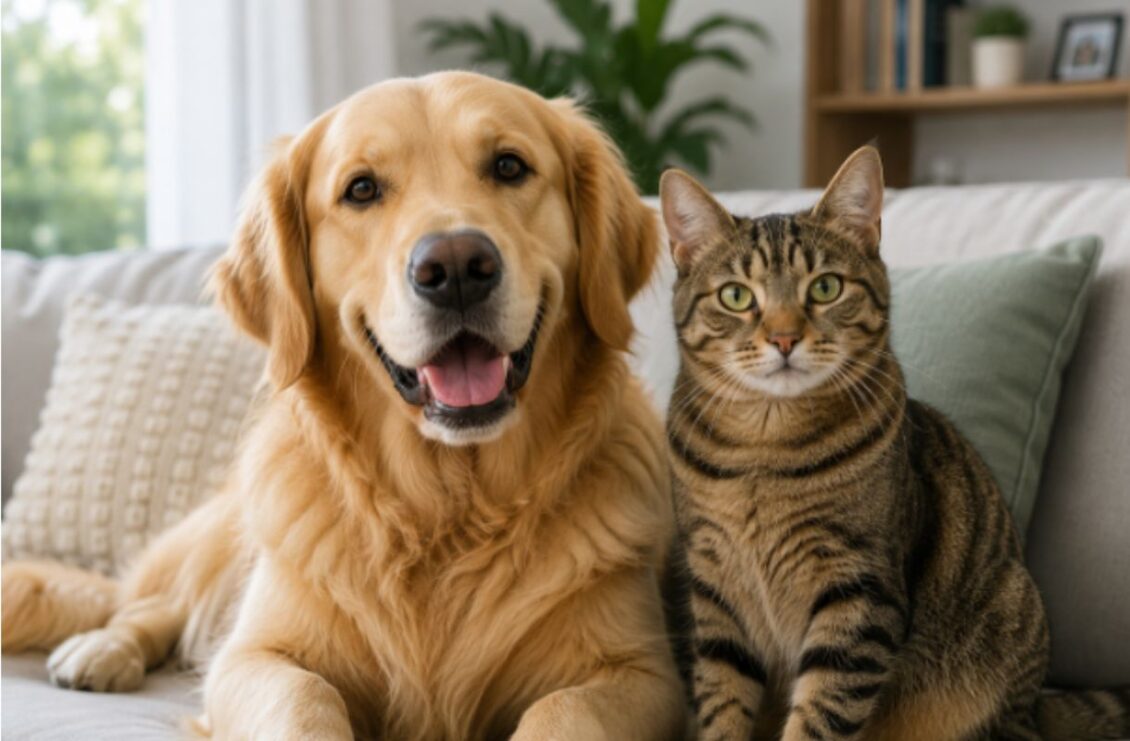
Pet costs in the UK have substantially increased in recent years. The price for a single emergency operation for a dog or cat can amount to many thousands of pounds, while treatment for an ongoing illness can force households to spend much more than they expect. This is where dog and cat insurance comes in to soften the blow, but you will find yourself as exposed as if you had no cover whatsoever if you choose the wrong policy.
This guide explains how to make the right selection regarding insurance for your pet.
Understanding What Pet Insurance Actually Covers
Not all policies work the same way. The market broadly divides into four structures, and the differences between them are significant.
Accident-only policies cover injuries from unexpected events but exclude illness entirely. They carry the lowest premiums and the narrowest protection.
Time-limited policies cover each condition for twelve months from the date of diagnosis, then exclude it permanently. These suit young, healthy pets but leave older animals or those with recurring conditions poorly protected.
Maximum benefit policies set a financial cap per condition with no time limit. Once you’ve claimed up to that ceiling for a specific illness or injury, cover for that condition ends.
Lifetime policies renew the condition limit each year alongside the policy itself. They cost more but offer the most consistent long-term protection, particularly for pets that develop ongoing health needs.
For dog insurance uk buyers especially, lifetime cover is worth serious considerationCertain dog breeds, such as French Bulldogs, Cocker Spaniels, and Labradors, are known to be more prone to various health issues for instance, hip dysplasia, heart issues, and skin disorders. Because of the high veterinary bills associated with these conditions, the British Veterinary Association issues information about breed-specific health-related risks, which can help dog owners determine the right level of care for their pets
Key Factors That Affect Your Premium
Several variables determine what you’ll pay each month.
Breed carries significant weight. Certain dog breeds are statistically more likely to require veterinary attention, and insurers price accordingly. Flat-faced breeds like Pugs and Bulldogs attract higher premiums for dog insurance because of their elevated risk of respiratory and orthopaedic problems.
Age matters in both directions. Insuring a puppy or kitten is cheaper, and doing so before any conditions develop means those conditions can’t be excluded as pre-existing. Many insurers apply upper age limits for new policies, typically around eight to ten years for dogs and ten years for cats.
Location influences cost because veterinary fees vary across the UK. London and the South East generally carry higher treatment costs than other regions, which feeds through into premiums.
Excess structure affects both your monthly payment and your out-of-pocket exposure when you claim. A higher voluntary excess reduces your premium but increases what you pay at the point of treatment.
When you’re ready to evaluate your options, taking the time to compare pet insurance providers across policy types, excesses, and exclusion terms gives you a clearer picture of what genuine value looks like for your specific pet and circumstances.

Cat Insurance: What’s Different
Like dog insurance, the cat insurance industry relies on comparable principles, with a few important differences.
For example, cats typically have longer lifespans than dogs, which makes the case for lifetime policies much stronger for cat owners. A cat that develops hyperthyroidism or kidney disease at age seven may need medication and monitoring for a long time afterward, whereas a time-limited policy would stop covering that condition after the first year, thereby forcing the owner to continue paying for treatment.
Pet insurance cat policies vary considerably in how they handle dental cover, hereditary conditions, and complementary therapies like physiotherapy and hydrotherapy. Reading the policy wording rather than relying on headline figures is essential. The Association of British Insurers publishes guidance on understanding insurance policy documents that pet owners will find useful when comparing the detail of what’s included.
Insurance for cat owners should also account for whether the policy covers indoor-only cats differently from outdoor cats. Some insurers adjust premiums based on lifestyle risk, and others don’t distinguish at all.
What Exclusions to Watch For
Exclusions are where policies differ most sharply and where owners are most often caught out.
Pre-existing conditions are universally excluded. Any health issue your pet showed signs of before the policy start date, whether formally diagnosed or not, will typically fall outside cover. Some insurers apply a moratorium period of one to two years, after which a condition may become eligible again if the pet has been symptom-free. Others exclude pre-existing conditions permanently.
Dental illness is frequently limited or excluded entirely unless the pet has had an annual dental check on record. Standard policies almost never cover routine and preventive care, vaccinations, flea and worm control, or elective treatments.
The Financial Conduct Authority, which regulates insurance in the UK, stipulates that the insurers must be clear about exclusions in the relevant policies. If in doubt, it is always advisable to ask the insurer directly before buying the policy.
Conclusion
Choosing the right dog insurance or cat insurance policy comes down to matching the cover structure to your pet’s likely needs over its lifetime, not just what’s cheapest at renewal. Lifetime policies cost more upfront but consistently outperform cheaper alternatives when a pet develops a serious or ongoing condition.
Read exclusions carefully, check how excesses apply per condition versus per year, and assess whether the insurer’s claims process is straightforward before committing.
