

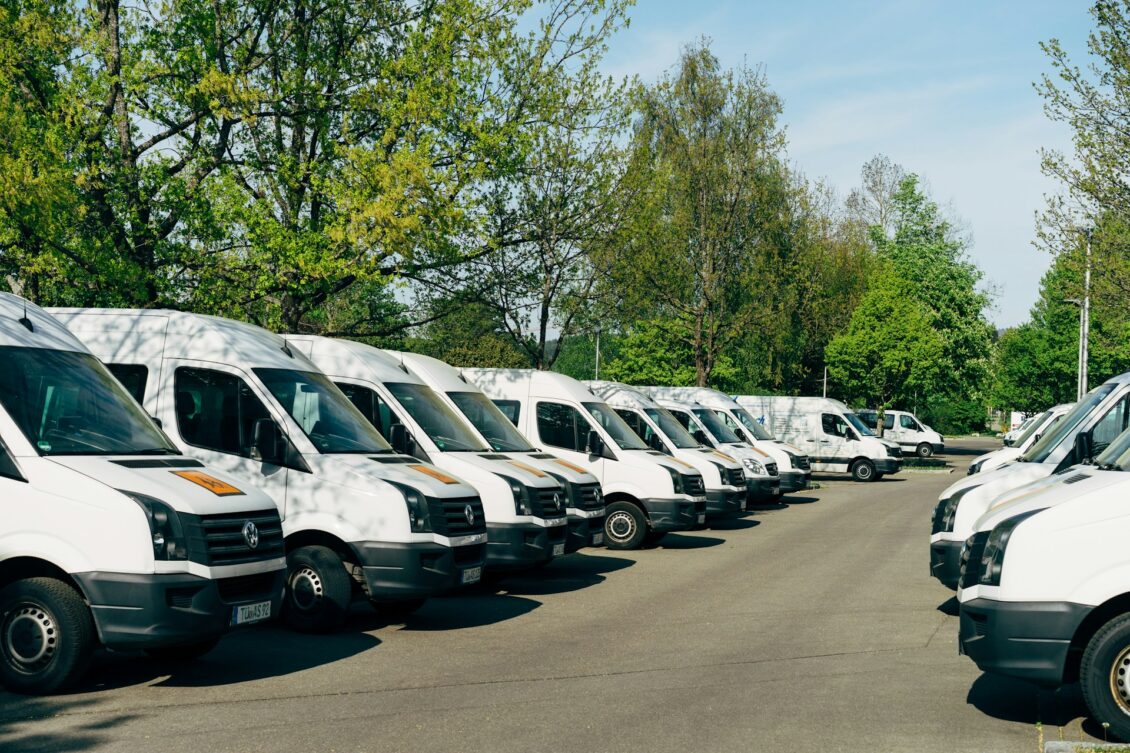
For any Welsh business running a fleet of vehicles, rising fuel prices aren’t just annoying; they hit profitability directly. Whether you’re sending delivery vans around Cardiff, managing tradespeople across North Wales, or using farm machinery in Powys, fuel is a high, unpredictable cost. Getting a handle on this expense is key to staying financially stable and growing.
The Impact of Fuel Price Volatility
When fuel prices jump around, it’s almost impossible to plan your finances accurately. A sudden price hike at the pump can instantly wipe out profits on jobs you quoted weeks or months ago. This uncertainty makes managing cash flow tricky and can delay investments in other parts of the business. The main problem is the lack of control; if your budget depends on global markets, your business ends up reacting instead of planning ahead. Understanding why fleet fuel cost volatility is happening is the first step to protecting yourself. For a company with ten vans, even a small increase of a few pence per litre quickly adds up to hundreds of pounds in extra costs each month.
Strategies for Managing Fuel Budgets
To start controlling your fuel spending, you need to see where the money is going and set clear rules. Just giving drivers cash or a regular credit card for fuel doesn’t give you much oversight. You can’t easily track where, when, or what kind of fuel is being bought. Putting a dedicated system in place is one of the best ways to manage this.
Fuel cards are a great way to get this control. You can set specific spending limits on these cards, restrict them to fuel-only purchases, and collect detailed data on every transaction. This information lets you look at how much fuel you’re using and find ways to save money. To pick the best option for your business, it’s helpful to compare business fuel cards from different providers. Different cards offer varying features, such as access to extensive fuel station networks, fixed weekly fuel pricing, fuel purchase controls, and detailed spending reports. Comparing these options helps you choose a solution that best suits your fleet’s routes, fuel usage, and budgeting needs.
Choosing the Right Fuel Solutions
It’s not just about getting a fuel card; you also need to pick the right kind for your specific needs. There are several options, each with different benefits. Some cards work at a lot of stations, which is perfect for fleets that travel all over the country. Others are linked to specific supermarkets or oil companies, often giving you loyalty points or bigger discounts within that network.
Some fuel card providers offer a set weekly price for diesel and petrol. This means you know exactly what you’ll pay per litre for the whole week, no matter what happens at the pump day-to-day. This predictability can be super helpful for budgeting. Checking out these smart strategies for your business helps you choose a system that fits your routes, vehicle types, and financial goals, turning a variable cost into something more manageable.
Optimising Vehicle Efficiency
Controlling what you pay for fuel is only half the battle; using less of it is just as important. You can find big savings by making your vehicles and drivers more efficient.
- Regular Maintenance: Make sure all your vehicles are serviced on time. Simple things like keeping tyres at the right pressure can boost fuel efficiency by several per cent. Under-inflated tyres create more drag, making the engine work harder.
- Reduce Weight and Drag: Take out any heavy items, roof racks, or equipment from vehicles when they’re not needed. That extra weight and air resistance increase fuel use, especially at higher speeds on roads like the M4 or A55.
- Driver Behaviour: Training and monitoring drivers can pay off big time. Using telematics systems to track habits like harsh acceleration, speeding, and idling can help you spot areas for improvement. Teaching drivers smoother, more efficient techniques directly cuts down on fuel use across your whole fleet.
- Route Planning: Modern routing software does more than just give directions. It can plan the most fuel-efficient routes by avoiding traffic, hills, and unnecessary miles, making sure your drivers get from A to B using the least amount of fuel possible.
By combining smart buying with a focus on efficiency, Welsh businesses can get a grip on their fuel costs. This proactive approach helps protect your profits and builds a stronger operation that can handle future price changes.
