

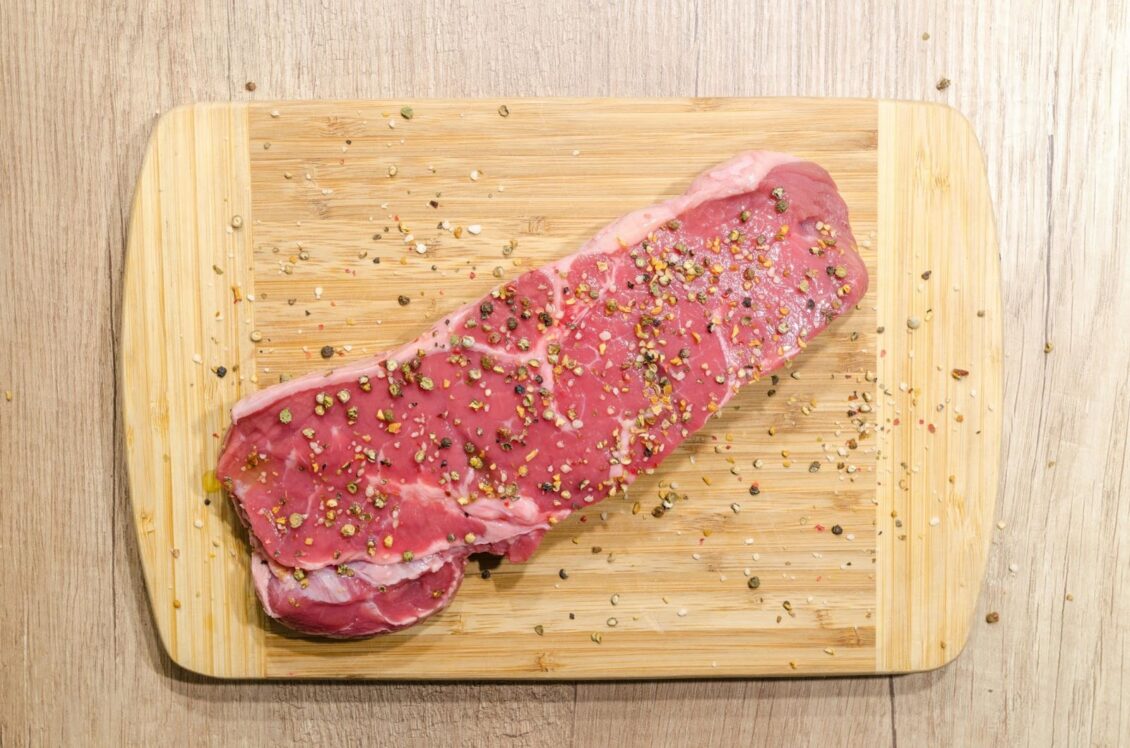
For decades, the fillet steak has sat unchallenged atop the luxury meat hierarchy but is it time to start questioning if it truly is the best cut with experts suggesting cuts like ribeye and rump offer a far more superior dining experience.
While the fillet is prized for its texture, Campbells Meat’s master butchers argue that its lack of exercise and minimal marbling results in a one-dimensional flavour profile. To truly understand what makes a world-class steak, one must look toward the cuts that work harder and taste better.
A spokesperson for Campbells comments, “We often see customers opting for fillet because it’s deemed a ‘safe’ choice, but they’re missing out. A rump steak, when sourced from a high quality butcher, has a depth of character that puts the fillet to shame. It’s more affordable, more nutritious, and, if cooked medium-rare, every bit as satisfying, if not more.”
Campbells team of specialist butchers and chefs has shared their expertise on the cuts that are actually the best in terms of flavour, texture and nutrition, that many home cooks often overlook.
Ribeye
Unlike the lean fillet, the ribeye is blessed with a central “eye” of fat and deep intramuscular marbling. As this fat renders during cooking, it bastes the meat from the inside out, creating a rich, buttery depth of flavour that a lean fillet simply cannot match.
They add, “The fillet is undeniably tender, but tenderness is only one part of the story. If you want the best part of the beef, you have to go where the fat is. In the trade, we always say: ‘fat equals flavour’. A ribeye aged on the bone for 21 to 28 days undergoes a chemical transformation that creates a complex, nutty sweetness. A fillet, by comparison, remains relatively neutral. If you are seasoning a steak just to give it taste, you’ve got the wrong cut.”
Rump
Often overlooked as one of the cheaper options on a restaurant menu, the rump comes from a hard-working muscle. This results in a slightly firmer bite or texture, but provides a punchy, mineral-heavy beefiness. It is the steak most often chosen by butchers for their own dinner tables.
“Nutritionally, working muscles like the rump and ribeye are not just about taste; they are often more nutrient-dense,” they add. “These cuts typically contain higher levels of iron and vitamin B12 than the lean tenderloin, as the myoglobin associated with active muscles carries more of these essential minerals.”
Sirloin
For those not yet ready to fully abandon the tenderness of the fillet, the sirloin offers the perfect compromise. It retains a tighter grain than the ribeye but features a signature “fat cap” along the edge that provides the essential succulence the fillet lacks.
To get the most out of these flavour-heavy cuts, their experts remind home cooks that resting the meat is non-negotiable.
“Because these cuts have more structure than a fillet, allowing the muscle fibres to relax for 5-10 minutes after cooking ensures the juices redistribute, resulting in a steak that is every bit as succulent as its more expensive counterparts.”
