

With its rich industrial past, stunning coastline, and period charm, Swansea is a city filled with character—and so are many of its homes. From the Victorian terraces of Uplands and Brynmill to the post-war houses of Townhill and West Cross, the city’s residential areas reflect decades of history. But with that history often comes an unseen risk: outdated electrics hidden behind walls and under floorboards.
While a freshly painted wall or a modern kitchen might give the impression of a safe, updated home, the wiring inside the property can tell a very different story. And for many homes in Swansea, especially those built before the 1970s, the electrics may not meet modern safety standards—posing a genuine fire hazard if left unchecked.
The Ageing Housing Stock in Swansea
According to the 2021 Census, Swansea has a significant proportion of older housing, with nearly 43% of homes built before 1964. Areas such as Mount Pleasant, Sketty, and Uplands are known for their Victorian and Edwardian terraces—many of which have been converted into student lets or subdivided flats. While some have been fully modernised, others have seen only partial updates over the years, leaving old circuits, fuse boards, and even pre-1970s wiring in place.
What’s more, as Swansea’s private rented sector grows—with 18% of households now privately rented, up from 14.7% in 2011—many landlords are managing older properties that experience high tenant turnover. These homes, often housing students or short-term renters, see heavy use of appliances, heaters, and lighting—all putting further strain on dated systems.
The Hidden Risks Behind the Walls
Electrical faults remain one of the leading causes of domestic fires across the UK. According to recent data, around 15% of all house fires are caused by faulty electrics, with older wiring and consumer units frequently to blame. In homes built before the 1960s, it’s not uncommon to find wiring that uses materials or methods long since deemed unsafe—such as lead-sheathed cables, fabric insulation, or wooden fuse boards with no residual current device (RCD) protection.
These outdated systems were never designed to handle the energy demands of a modern household. With homes now filled with high-wattage kitchen appliances, computers, smart TVs, and electric showers, older circuits can quickly become overloaded. This can lead to overheating cables, frequent tripping, or—worse—fires.
Even seemingly minor signs like flickering lights, buzzing sockets, or a faint burning smell can point to serious underlying issues. And in many homes, DIY modifications or past shortcuts taken during renovations only add to the risk.
A Local Electrician’s Perspective
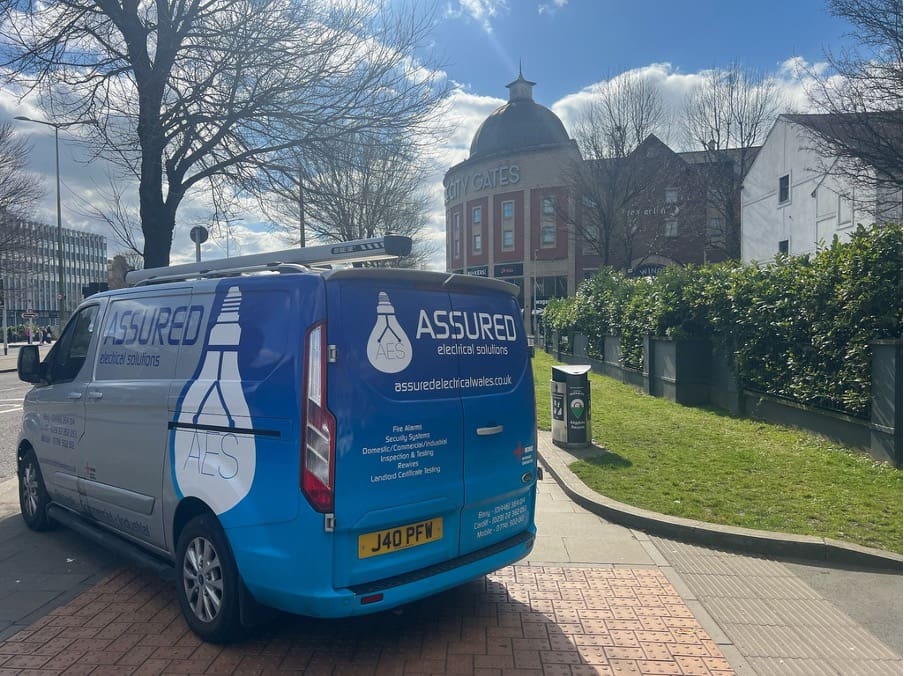
We spoke to Jamie Parry, Director of Assured Electricians, who operate throughout Swansea, about the scale of the problem in the city and what homeowners should be aware of:
“It’s more common than most people realise. In parts of Swansea like Brynmill and Mount Pleasant, we’re still coming across properties with wiring that dates back to the 1950s—or earlier. The biggest issue is that unless there’s an obvious fault, most homeowners assume everything’s fine.
We’ve seen cases where sockets are warm to the touch, or lights dim when kettles are turned on. Often, the consumer unit hasn’t been touched in decades and lacks even basic safety protection like RCDs. What’s worse is when bits of rewiring have been done in stages—without certification—leaving a mix of old and new circuits that don’t talk to each other safely.
If your home is more than 40 years old and you’ve never had an Electrical Installation Condition Report, it’s time to get one. It’s not just about compliance—it’s about protecting your home and your family.”
What Homeowners Should Do
For homeowners and landlords in Swansea, the first step is awareness. Electrical risks are silent—until they’re not. That’s why regular safety checks are so important.
The gold standard is a full Electrical Installation Condition Report (EICR), which assesses the condition of your fixed wiring and highlights any urgent or recommended upgrades. These reports are especially important in rented properties, where landlords are legally required to have valid EICRs carried out every five years.
Even if your property isn’t rented, an EICR is a wise investment—particularly if:
- The property hasn’t been rewired in the last 25–30 years,
- You’re experiencing regular trips, flickering lights, or burning smells,
- You’re planning a major renovation or extension.
In some cases, a full rewire may be needed. In others, upgrading the consumer unit and replacing specific circuits may be enough to bring things up to standard. Either way, using a fully qualified electrician—registered with NICEIC or a similar body—is essential.
Don’t Let Character Come at a Cost
Swansea’s older homes are part of what makes the city unique. But their charm shouldn’t come at the expense of safety. By staying informed, carrying out regular inspections, and acting on any warning signs early, you can enjoy the best of both worlds: period character with modern peace of mind.
If you’re unsure about the state of your electrics, or you’re managing a property in Swansea that hasn’t been checked in years, now’s the time to take action.
