

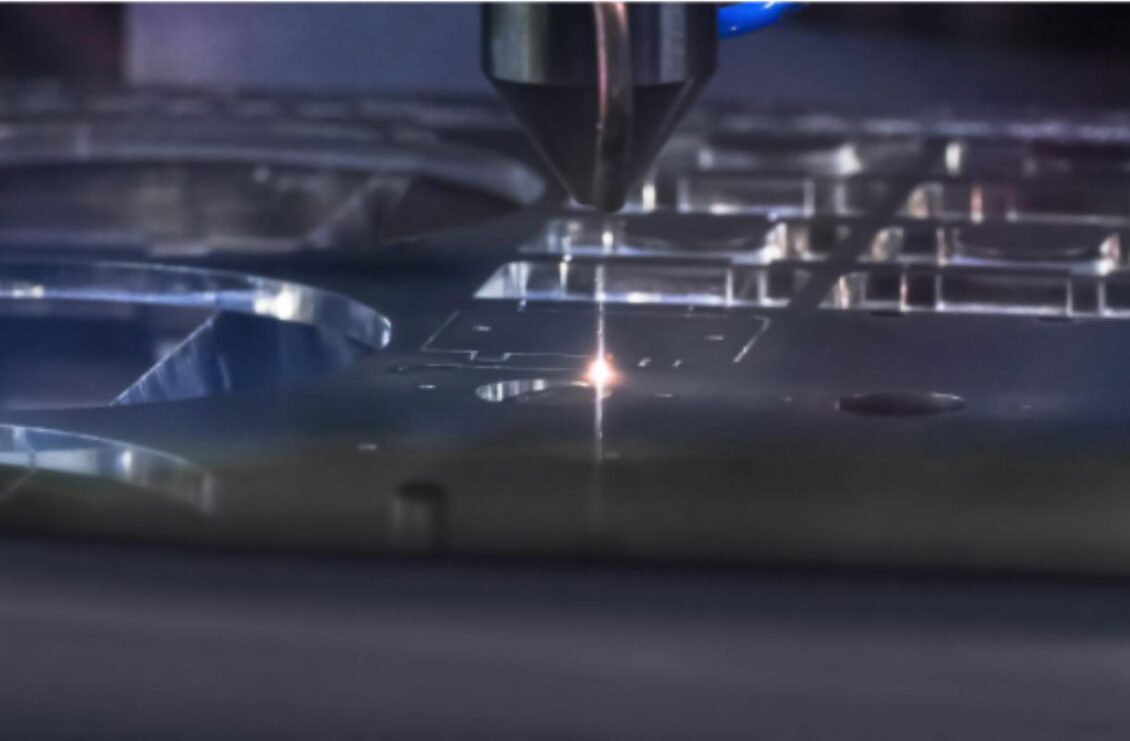
Laser engraving has become an essential tool across many industries, offering precision, flexibility, and efficiency that traditional methods often struggle to match. From manufacturing to creative production, this technology continues to reshape how businesses operate and innovate. For companies looking to stay competitive, understanding how laser engraving works and how to get closer to professionals in the sector is a valuable step forward.
Understanding Laser Engraving and Its Industrial Role
At its core, laser engraving technology uses a focused beam of light to mark, cut, or etch materials. The process is controlled digitally, allowing for highly accurate and repeatable results. This makes it ideal for industries where detail and consistency matter.
Today, laser engraving is used in a wide range of applications, including:
- Product customization (engraved logos, serial numbers, branding)
- Industrial marking for traceability and compliance
- Signage and display production
- Craft and decorative object creation
- Packaging and labeling
One of the reasons for its popularity is its ability to work with many different materials. Whether it’s wood, plastic, metal, glass, leather, or even stone, laser technology adapts easily. This versatility allows businesses to diversify their offerings without investing in multiple tools.
For professionals who want to explore this field further, it’s useful to get closer to professionals in the sector and understand how industry standards and practices are evolving.
Technologies Behind Laser Engraving
Not all laser engraving systems are the same. Different technologies are designed for different materials and uses. The three most common types include:
- CO₂ lasers: Ideal for organic materials like wood, paper, leather, and some plastics
- Fiber lasers: Best suited for metals and industrial marking applications
- Hybrid systems: Combine multiple laser sources for greater flexibility
Each technology has its own strengths. For example, fiber lasers are known for their speed and durability in industrial environments, while CO₂ lasers are popular in creative and small-scale production settings.
Choosing the right system depends on your specific needs. Factors such as material type, production volume, and desired finish all play a role. This is why connecting with experienced professionals can help businesses make informed decisions.
Key Advantages for Businesses
Laser engraving offers several clear benefits that explain its growing adoption across industries:
- High precision: Even complex designs can be reproduced with accuracy
- Consistency: Digital control ensures identical results every time
- Speed and productivity: Faster processing compared to many traditional methods
- Minimal waste: Reduces material loss thanks to precise cutting
- Scalability: Suitable for both small batches and large production runs
Another important advantage is the ability to work on large or irregularly shaped parts. This flexibility is especially valuable in industrial settings where standardization is not always possible.
The Role of Software, Accessories, and Safety
Behind every efficient laser engraving setup is a combination of software, accessories, and safety systems. These elements are often overlooked but play a crucial role in performance and reliability.
- Software: Controls design, positioning, and machine operation
- Accessories: Include rotary devices, extraction systems, and positioning tools
- Safety features: Protect operators and ensure compliance with regulations
Modern software solutions make it easier to design and execute engraving tasks, even for users with limited technical experience. At the same time, proper safety measures, such as ventilation and protective enclosure, are essential for maintaining a safe working environment.
Building Connections in the Industry
As laser engraving continues to evolve, staying connected with industry professionals becomes increasingly important. Whether through training, networking, or collaboration, these connections help businesses keep up with new techniques and standards.
Getting closer to professionals in the sector means more than just understanding the technology. It also involves learning from real-world experience, sharing best practices, and adapting to market demands.
In a field driven by innovation, those who actively engage with the industry are better positioned to grow and succeed. Laser engraving is not just a tool, it’s a gateway to new possibilities for businesses ready to explore its full potential.
