

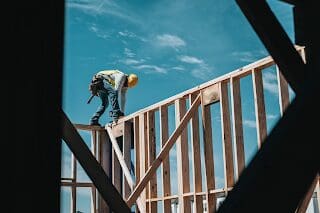
Modern construction projects are complex operations, juggling supply chains, labour, and tight deadlines. Project managers are good at handling these visible challenges, but a significant category of risk often hides just beneath the surface. For developments across the UK, especially on brownfield sites with industrial or military histories, unseen underground hazards can cause costly delays and pose serious safety threats. Understanding why complex construction projects need more planning before work begins highlights how thorough initial assessments set the stage for smooth, predictable execution.
Dealing with these risks successfully means more than just reacting to them; it requires looking into a site’s past proactively to secure its future.
The Evolving Landscape of Site Risk
The drive for urban regeneration and new housing has led to more focus on developing brownfield land – sites previously used for industry or commerce. While this is a sustainable way to build, it comes with unique challenges. Decades, or even centuries, of activity can leave a legacy of hidden problems.
A plot of land that looks empty and ready for development might actually hide old building foundations, forgotten utility lines, contaminated soil from former factories, or unstable ground from historic mining operations. These aren’t minor issues; they’re major project risks that can stop work, inflate budgets, and create complex engineering problems not in the original plan. Ignoring a site’s history is a gamble that rarely pays off.
Hidden Hazards in Development Zones
There’s a wide range of potential hazards underground. Contaminants like heavy metals or asbestos can need extensive, expensive cleanup before any building can start. Unexpected ground issues, such as poorly compacted fill or underground voids, can threaten the structural integrity of new foundations.
Another critical and often overlooked risk is unexploded ordnance (UXO). Many urban and rural areas across Britain were bombed during the Second World War or used for military training, leaving behind dangerous dormant explosives. A routine excavation can turn into a major incident if these items are disturbed. Identifying and reducing these threats requires specialist knowledge, which is why many developers work with UXO survey and risk assessment specialists before breaking ground. These early assessments are vital for creating a safe and predictable construction environment.
Proactive Risk Management: A Business Imperative
A proactive approach to risk management isn’t optional anymore; it’s a key part of responsible and profitable development. This process starts long before the first digger arrives on site. It begins with a detailed desk-based study, or Preliminary Risk Assessment, which gathers historical maps, aerial photographs, and local records to build a picture of the site’s past uses.
This initial research helps figure out how likely specific hazards are to be present. A comprehensive review on construction safety explains that finding hazards early is fundamental to preventing accidents and delays. If the preliminary assessment suggests a potential risk, detailed on-site surveys follow, using advanced geophysical technology. These tools can find buried metallic objects, changes in ground density, and chemical hotspots without extensive digging, allowing for targeted and efficient investigation. These recent advancements in management and survey technology give a much clearer picture of underground conditions than was previously possible.
Investing in Project Safety and Efficiency
Setting aside budget for a thorough risk assessment might seem like an extra cost, but it’s a smart investment in the project’s overall success. The cost of a detailed site investigation is tiny compared to the financial and reputational damage an unexpected discovery can cause.
Finding a major hazard in the middle of a project can stop work for weeks or months while specialists are called in. This downtime leads to spiralling costs from idle machinery, contractual penalties, and project overruns. Plus, a serious incident can lead to legal action and permanently damage a company’s reputation. By identifying and dealing with these risks at the start, construction firms can ensure a safer working environment, keep projects on schedule, and protect their bottom line. Ultimately, a project that has its risks dealt with from the ground up is set up for efficiency and success.
For any modern construction project, the biggest challenges aren’t always the ones you can see. Taking the time to understand what lies beneath the ground is a crucial step towards building safely, on time, and on budget.
