

British Heart Foundation (BHF) Cymru report draws on two years of consultation with patients, clinicians, and public health experts, and sets out a bold framework for change.
It identifies four key priorities to tackle the crisis:
- Deliver a Wales CVD Prevention Plan – A fully funded, cross-sectoral strategy to drive national progress.
- Boost Public Awareness and Empowerment – A national campaign to help people understand their blood pressure numbers and take control of their health.
- Transform Systems of Care – Community and at-home blood pressure monitoring integrated with primary care.
- Improve Data Collection and Use – A national hypertension dashboard to track progress and target interventions.
A new report from British Heart Foundation (BHF) Cymru reveals that high blood pressure – often dubbed the “silent killer” – affects around 750,000 adults in Wales, but as many as 3 in 10 of them could be undiagnosed.
The report, Tackling High Blood Pressure: Wales’ Silent Killer, outlines a stark picture of the growing cardiovascular disease (CVD) crisis and calls for urgent, coordinated action to prevent avoidable deaths and reduce pressure on the NHS.
“Don’t Wait for a Crisis”: Mary’s Wake-Up Call on Blood Pressure
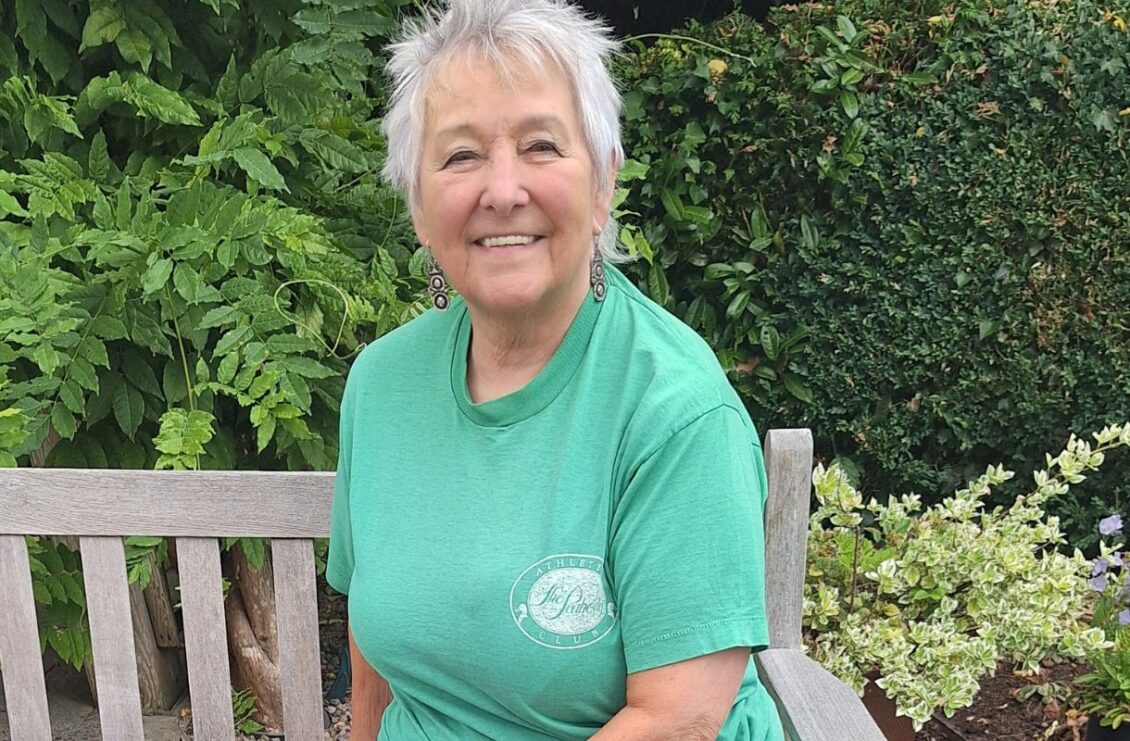
Mary Rooney was fit, active, and enjoying life; regularly attending the gym and enjoying walks with her husband. But in January 2024, everything changed. “I just felt out of sorts,” she recalls. “Then I was sick in the middle of the night. I felt hot, clammy, and I just knew—I told my husband, ‘I think I’m having a heart attack.’”
Mary, from Kingcoed, Monmouthshire, was rushed by ambulance to the University Hospital of Wales in Cardiff, where she received emergency treatment and had three stents fitted.
But it was only after the heart attack that Mary began to fully understand the importance of managing her blood pressure. “I’d had hints before,” she admits. “At one of my annual check-ups, they said it was a little high on one reading, but I was happy they didn’t take it further. I thought, ‘No medication—brilliant!’”
Now, 83-year old Mary takes her blood pressure seriously. She uses a blood pressure monitor at home and takes prescribed medication. “I check it once a week,” she says. “I’ve got a little leaflet that tells me what’s normal, and it also helps me know when I need to go to my GP surgery. It’s more or less the same every week though, which is good news!”
She also warns others about using less accurate devices. “Use a monitor which has been approved and valid. Ideally try and use one that goes on your upper arm.”
Mary’s story is a powerful reminder of the importance of early detection and regular monitoring. With up to 220,000 people in Wales with undiagnosed high blood pressure, she urges others not to wait. “People should just know when they’re getting older that they should go and ask to have it done,” she says. “You don’t have to see a doctor—just see a nurse or ask at your pharmacy and get your blood pressure checked.”
Her message is clear: “Don’t wait for a crisis. Know your numbers.”
Bethan Edwards, Policy and Public Affairs Manager at BHF Cymru said, “This new report is a wake-up call. We have the potential to prevent thousands of deaths – but we need collaborative action, investment, and leadership to make it happen. High blood pressure often has no symptoms, yet it significantly increases the risk of heart attacks, strokes, and other serious health conditions. Mary’s experience underscores the urgent need for better awareness, earlier detection, and more accessible support across Wales.”
