

As these expenses increase, more drivers across Wales are searching for ways to get around that are both cost-effective and reliable.
Many drivers are looking for options that help them save money while reducing their environmental impact. Some vehicles combine traditional engines with newer technology, offering better fuel economy.
For a clear picture of current vehicle running costs across the UK, including hybrid options, you can check this detailed guide to the hidden costs of car ownership, which highlights expenses many drivers overlook.
The rising expense of car ownership in Wales
Car owners in Wales now often face annual running costs that can exceed £3,000. These costs are similar to the UK average, with general expenditure continuing to rise.
There are ways for Welsh motorists to make practical savings. Checking local petrol station prices before filling up can help avoid higher charges found at isolated forecourts. Shopping around for insurance each renewal and comparing providers online can reduce premiums over time.
Tax costs are generally fixed, but drivers choosing lower emission vehicles can see annual savings compared to higher emission cars.
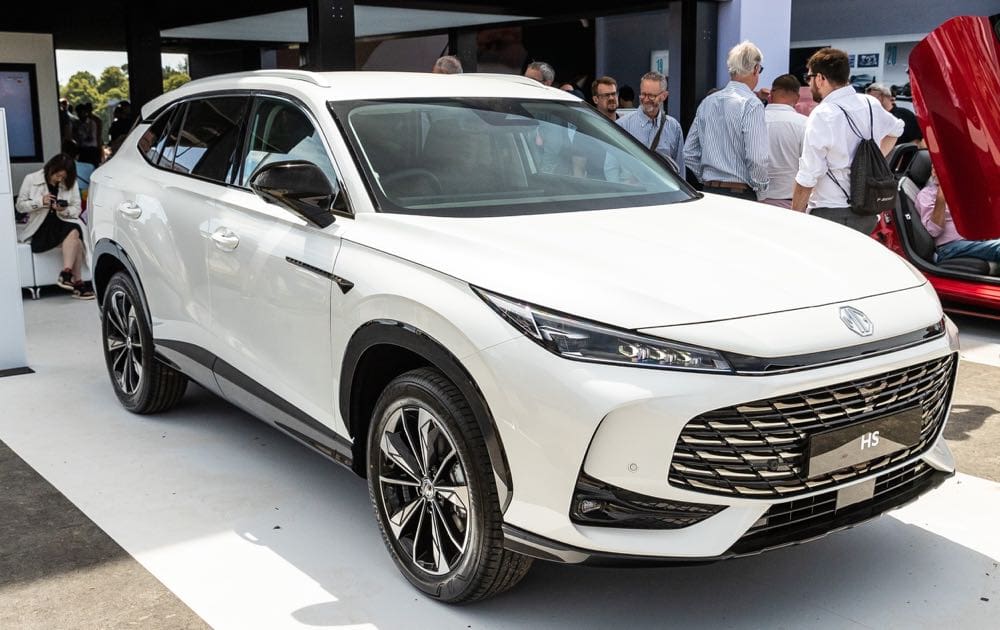
Besides the financial impact, there is growing awareness of the environmental effects linked to traditional vehicle ownership. As Wales works toward ambitious climate goals, many drivers are considering how their transport choices affect both their wallets and the environment. MG hybrid technology offers one possible solution to this two-sided challenge, providing vehicles that combine lower emissions with improved fuel efficiency.
Fuel economy challenges for Welsh drivers
On Wales’ hilly terrain, this means energy is recovered on downhill sections, making hybrid cars efficient on mountain roads.
UK households typically spend a significant amount on fuel each year, depending on fuel type and driving habits. Rural families are often affected most, as their journeys are usually longer and public transport options are limited.
Driving style also matters. Urban stop-start traffic in Cardiff or Swansea places strain on fuel efficiency. Constant acceleration and braking use more fuel than steady cruising on open roads. Rural motorists may see better mileage at steady speeds, but hilly terrain can offset these gains.
Seasonal weather changes add further challenges. Cold winters prompt drivers to run heaters and defrosters, requiring additional energy and increasing fuel consumption. Welsh drivers looking to control costs must choose suitable vehicles, maintain proper tyre inflation, and plan routes thoughtfully. For additional ways to cut fuel use and improve mileage, drivers can check these efficient driving tips, recommended by the Energy Saving Trust.
Why hybrid technology addresses Welsh driving patterns
Hybrid cars combine two power sources: a conventional petrol engine and an electric motor working together to improve efficiency. This dual-power system suits Welsh driving conditions well. When climbing hills, both power sources can work together for better performance.
One of the most helpful features for Welsh drivers is regenerative braking. This technology captures energy normally lost during braking and converts it to electricity to recharge the battery. On Wales’ hilly terrain, this means energy is recovered on downhill sections, making hybrid cars efficient on mountain roads.
Welsh drivers should understand the difference between self-charging and plug-in hybrids. Self-charging hybrids recharge their batteries through braking and the petrol engine. Plug-in hybrids have larger batteries that can be charged from an electrical outlet, allowing for longer electric-only driving ranges. For a clear explanation of how each type works and what advantages they bring, check this detailed guide.
Maintenance and depreciation realities
Car owners in Wales often spend several hundred pounds annually on maintenance, with costs rising for vehicles over five years old. The damp climate accelerates rust and can cause electrical problems, while coastal salt air and rural potholes add further wear on suspension and tyres. On top of these ongoing expenses, most cars lose a significant portion of their value within the first three years of ownership. This rapid depreciation means frequent vehicle changes can bring substantial financial losses that are often overlooked in running cost estimates.
Hybrid maintenance advantages and considerations
Regenerative braking helps reduce brake wear, as these systems slow the car while recharging the battery.
Because the petrol engine does not always run, especially at low speeds or during electric-only operation, there can be fewer oil changes required over the same mileage. In the first three years, a hybrid may require slightly fewer scheduled services than a standard petrol car.
Hybrid-specific repairs can present challenges in Wales, particularly outside major cities. Not every independent workshop has certified hybrid technicians. When a hybrid system requires attention, owners may need to visit franchised dealerships.
As more hybrids appear on Welsh roads, residents are seeing greater access to skilled maintenance. Drivers in rural communities should check that local garages can work on hybrid systems before purchase. For major components, battery and motor warranties often provide cover for 8-10 years, reducing the risk of expensive repairs.
Tax incentives and insurance factors
Vehicle taxation in Wales follows the UK-wide system based on CO2 emissions. Most conventional petrol and diesel vehicles with higher emissions face annual tax bills over £150. Many hybrid models qualify for reduced first-year and annual rates due to lower emissions.
For cars registered after April 2017, some hybrid vehicles pay a lower first-year tax, with standard rates that are generally more affordable. These savings can add up for families managing several vehicles and planning for long-term ownership.
Insurance premiums for Welsh drivers often depend on regional risk factors. Residents of cities such as Cardiff or Swansea may pay higher premiums because of increased traffic and theft incidents. Those in rural areas sometimes see lower rates.
Some Welsh local authorities offer added benefits to owners of lower emission vehicles. These can include reduced parking fees or priority parking in town centres. As the Welsh Government pursues broader climate goals, further changes to taxation or new incentives may encourage more residents to consider greener options in the coming years.
