

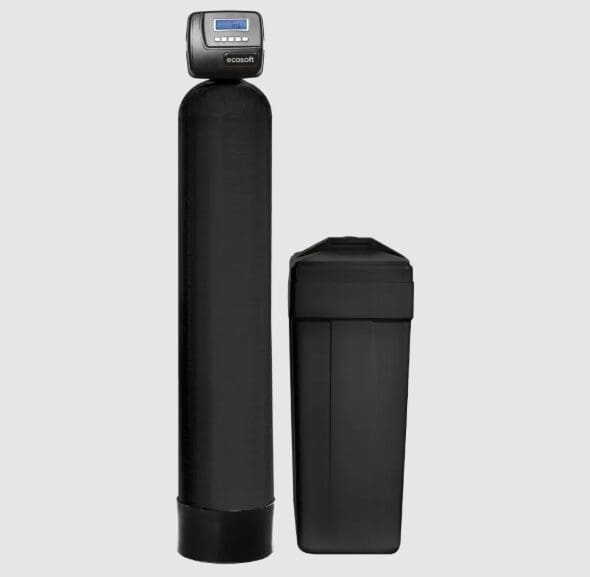
Scale buildup in pipes is one of the most common effects of hard water in both homes and commercial buildings. It develops gradually, often without immediate warning, but over time it can affect plumbing performance, reduce flow, and increase maintenance needs. That is why hard water treatment, including the use of water softeners, is often not only a comfort upgrade, but also a practical form of pipe protection from scale.
What causes scale buildup in household and commercial pipes
Scale forms when hard water contains elevated levels of calcium and magnesium. As water is heated or repeatedly passes through plumbing and equipment, these minerals can leave deposits on inner pipe surfaces, fittings, and heating elements. In everyday use, this becomes limescale. The result can be buildup inside domestic plumbing, commercial pipework, boilers, and water-using equipment, especially where water hardness remains untreated.
How hard water affects plumbing systems and water flow
Hard water in pipes does more than leave visible marks. As mineral deposits collect, the internal diameter of the pipe can effectively become smaller. That can restrict water flow, reduce efficiency, and place more strain on connected appliances and heating systems. Hard water problems can also make cleaning harder and increase the effort needed to maintain taps, showers, dishwashers, water heaters, and other installations connected to the same plumbing system.
How water softeners help prevent limescale formation
A water softener is designed to reduce hardness minerals before they move through the plumbing system. In most residential and commercial softeners, this is done through ion exchange, where calcium and magnesium are replaced with sodium or potassium ions that do not form the same hard deposits. By reducing hardness at the point where water enters the system, a water softening system helps prevent pipe scaling instead of only dealing with the results later.
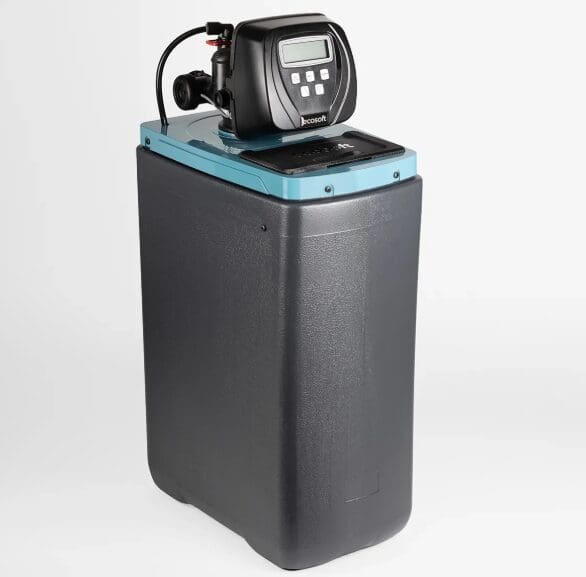
The long-term benefits of using a water softener for pipe protection
The long-term value of a household water softener or commercial water softener goes beyond reducing visible limescale. Softened water helps protect pipes, fittings, boilers, and appliances from scale-related wear. It can support steadier flow, reduce cleaning effort, and help equipment work under better conditions over time. In practical terms, limescale prevention can contribute to longer service life, lower maintenance pressure, and more reliable day-to-day plumbing performance.
Conclusions
A water softener plays an important role in preventing scale buildup in pipes because it addresses the source of the problem: hardness minerals in the water supply. By reducing calcium and magnesium before they form deposits, a water treatment system helps protect plumbing, support better flow, and reduce limescale in the long term. For homes and commercial properties affected by hard water, water softening remains one of the most effective ways to protect the entire system.
