


It’s 2016 and Wales is making history. The Welsh men’s football team is about to reach the semi-finals of the European championships, Little Haven beach in Pembrokeshire becomes the first smoke-free beach in the UK, and the country appoints a Future Generations Commissioner.
Wales is the only country in the world with this statutory role, dedicated to protecting the interests of people not yet born.
Ten years later, as more than 220,000 babies have been born in Wales, the role, established by the Well-being of Future Generations Act, has influenced policy across education, transport, the economy, health and climate action – reshaping how Wales measures success and embedding long-term thinking into national decision-making.
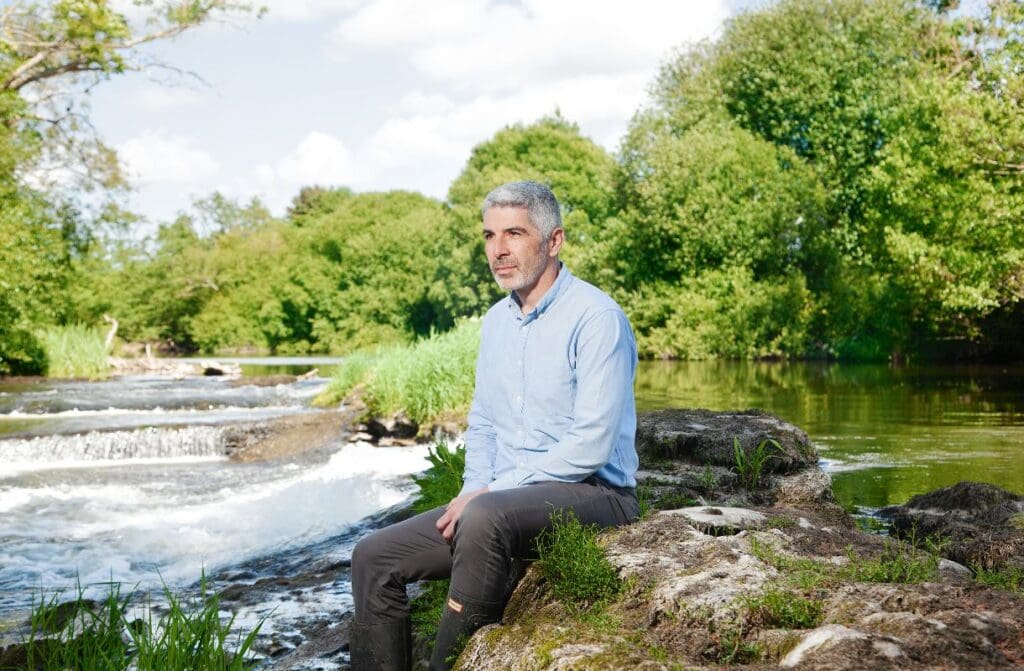
Now the Future Generations Commissioner, Derek Walker, is warning that across the globe, we can’t afford to ignore future issues.
Since Wales committed to future generations thinking, it has a progressive school curriculum with qualifications to teach people to be planet stewards; greener, healthier transport focus, a new way to define prosperity that focuses on people and planet and a plan for an anti racist Wales.
Mr Walker, now three years into his independent role, is changing how we look at food and health, outside of hospital waiting times and GP services alone; protecting our rivers; has helped the UN follow Wales’ lead on futures thinking; challenged Welsh Government to stop coal mining for good, and put a focus on the value of culture. New research by Bangor University estimates that the financial value of health and productivity benefits through engagement with the arts in Wales is at least £588m a year and Mr Walker wants a culture bill to further unlock the benefits.
He’s also forced a change so that Welsh Government focuses on all types of pollution in Welsh rivers, not just protected ones, has helped more Welsh vegetables be served on school dinners, and supported more businesses to improve well-being for future generations.
Businesses are voluntarily using the law to successfully challenge short-termism and see it as making good economic sense. Wales’ first regenerative seaweed farm, Câr-y-Môr, used the Well-being of Future Generations Act to successfully appeal a short-term license (the commissioner has described seaweed as one of Wales’ superpowers) and other organisations like the Football Association of Wales and Bluestone Resort have used it to advance circular economy initiatives, protect nature and promote fair work.
Inspired by Wales, the UN has also created a Special Envoy for Future Generations.
Mr Walker said: “Ten years on, we can see that future generations thinking is changing Wales in real and practical ways. From challenging short-term decisions on fossil fuels and food systems, to supporting community projects like seaweed farming, it’s helped embed long-term thinking and preventative approaches across policy and society.
“But there is still work to do, and future generations are counting on us to make the right choices today. In a world of breaking news, we’re still at risk of ignoring the future and decisions that will shape the next generation are not given the attention they deserve.
“Across the world, we are seeing hard‑won rights for women, LGBTQ+ people, migrants and ethnic minorities at risk along with the right to protest – we need to be asking what sort of world will further erosions create – while much of the world is looking away and dealing with the here and now.
“I’m doing this role because I want every person in Wales to feel the daily benefits of this ground-breaking legislation. Wales is known all over the world for its commitment to long-term holistic well-being, but what matters to me is that people here have better lives because of a decision taken a decade ago, to advocate for them and their grandchildren.
“The first decade has proven what is possible when we plan for tomorrow. The next 10 years are about turning ambition into lasting impact.”
To mark the anniversary, the Commissioner is highlighting the launch of Hwb Dyfodol, a central hub for sharing skills, training, and methodologies designed to make long-term‑ planning more accountable and accessible. The office is encouraging leaders across government, public services, voluntary organisations, businesses, and media to make use of the resources available – and continue prioritising sustainable and fair decisions in housing, transport, health, and culture.
The Commissioner has also been calling for a transformation in how communities and businesses are involved in, and gain from, Wales’ energy future, and a doubling of community energy targets as we rewire the nation.
