

Research from the University of South Wales (USW) has contributed to a new education pack for schoolchildren to learn about the history of nuclear testing programmes around the world.
Launched earlier this week at the Senedd, home of the Welsh Parliament, the education pack has been developed by LABRATS International – a campaign group dedicated to raising awareness of the Atomic and Nuclear testing programmes throughout history, and the impact on the thousands of people involved.
The resources, which are aimed at schoolchildren aged 14 and up, will teach students about the role the UK played in the testing of nuclear weapons, and forms part of the Welsh Baccalaureate syllabus which explores the global legacy of nuclear testing programmes.
The pack includes excerpts from a landmark research project – An Oral History of British Nuclear Test Veterans – led by USW in partnership with the University of Liverpool and National Life Stories, the oral history fieldwork charity based at the British Library.
Across 41 in-depth life stories, the research explores the history of nuclear testing within the personal contexts of veterans’ lives, from their hopes as young servicemen to their reflections in later life. By doing so, the research contributes to the social history of post-war Britain, whilst also enhancing recognition of test veterans themselves.
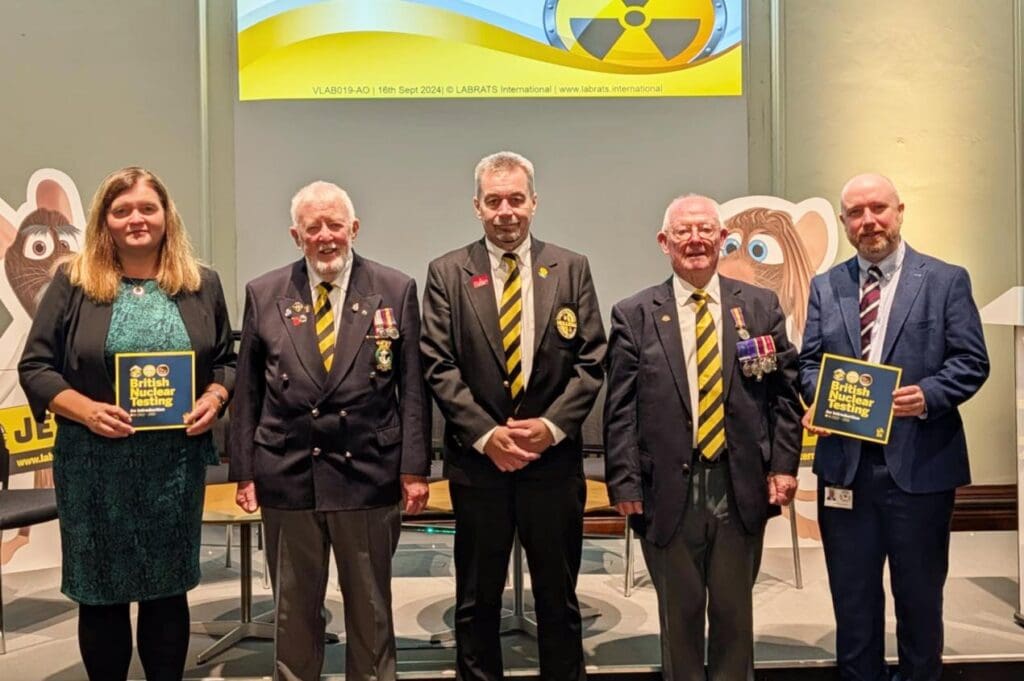
Professor Chris Hill, researcher in History at USW, led the Oral History project. He said: “British nuclear test veterans in their eighties and nineties have told us about the terrifying power of nuclear weapons, as well as the lingering dread of the fallout they produce. This important education pack will enable schoolchildren to understand British nuclear testing through the personal lens of an individual’s life story; they can hear how these tests touched lives, marking the health, hopes, loves and losses of veterans and their families.”
Alan Owen, co-founder of LABRATS International, added: “Our partnership with the Oral History project is essential in making this education pack completely interactive. Students read the world through electronic devices, and to hear the voices of veterans is fundamental to the success of these resources. Without the involvement of USW, it would not be possible, so we are very grateful for this important research.”
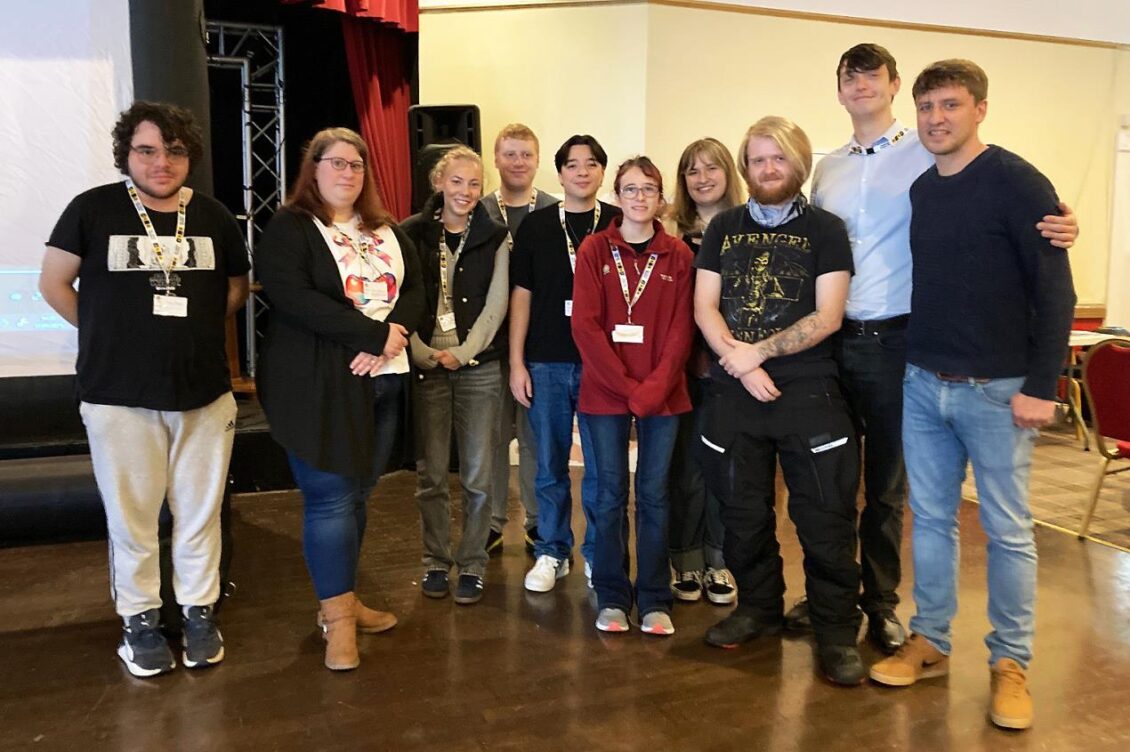
The launch event, which saw a group of USW History students attend, also included a Q&A session from a panel of experts – including Prof Chris Hill and Sioned Williams MS – to discuss the importance of education around nuclear weapons.
The education pack is available for free on the LABRATS Academy website: www.labratsacademy.online
