

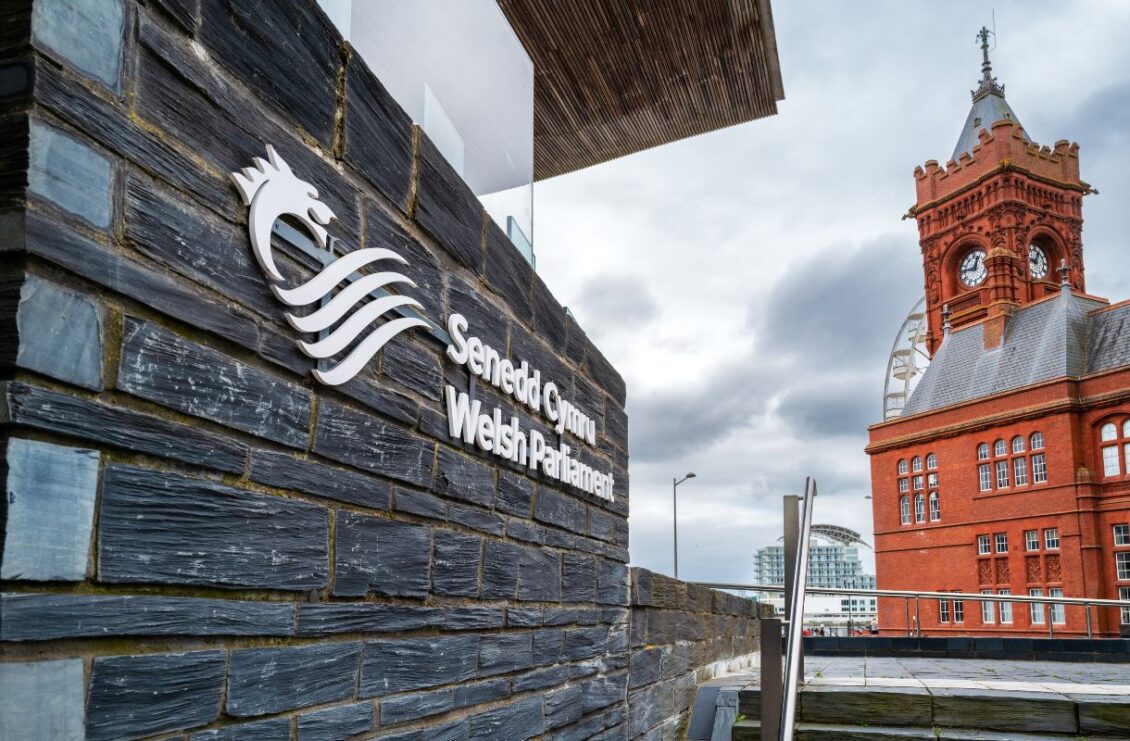
Wales is heading into what could become the most significant Senedd election since devolution began, with major changes to how people vote and how seats are allocated set to reshape Welsh politics.
For many voters, the 2026 Senedd election will feel very different to any Welsh election that has come before it.
Since the creation of devolved government in 1999, Wales has elected 60 Members of the Senedd through a mixed voting system combining first past the post constituency seats with proportional regional seats.
Over the past 26 years, while the institution itself has evolved from the National Assembly for Wales into the Senedd, one thing has remained largely unchanged politically: Labour has finished as the largest party at every election.
That sense of predictability may now be coming to an end.
A completely new voting system
The biggest change for voters in 2026 is the abolition of first past the post constituencies, long viewed as one of Labour’s strongest electoral advantages in Wales.
In its place comes a fully proportional voting system designed to ensure seats more closely reflect how people actually vote.
Rather than electing one representative per constituency, Wales will now be divided into 16 much larger “super constituencies”, with each one electing six Members of the Senedd.
At the same time, the Senedd itself is expanding from 60 members to 96.
The previous regional top-up system has also been scrapped entirely.
Under the new system, seats will be allocated proportionally using the D’Hondt method, meaning every vote carries more direct weight than under the old system.
The changes are expected to make it much harder for one party to dominate and far more likely that coalition governments or agreements between parties will be needed to govern Wales.
How the system has changed
| Feature | Old system (1999–2021) | New system (2026 onwards) |
|---|---|---|
| Total Members of the Senedd | 60 | 96 |
| Constituencies | 40 (first-past-the-post) | 16 super constituencies |
| Regional seats | 20 across 5 regions | Scrapped |
| Voting system | Mixed: FPTP + PR | Entirely proportional |
| Typical outcome | Labour-led government | Uncertain – coalitions likely |
The rise of new political forces
The changing electoral system also comes at a time when Welsh politics itself appears to be shifting.
One of the biggest developments has been the rise of Reform UK, which has emerged as a growing force in opinion polls and recent elections across the UK.
Their success in local council by-elections in Wales, alongside strong performances in mayoral and county council elections in England, has fuelled expectations that the party could secure significant representation in Cardiff Bay for the first time.
Meanwhile, the new system is also expected to benefit smaller parties that previously struggled to break through under first past the post.
That includes the Green Party, which polling suggests could win representation in the Senedd for the first time.
What it means for voters
For Welsh voters, the election could feel very different in practice as well as politically.
Under the new fully proportional system, votes are expected to translate more directly into seats, reducing the likelihood of one party dominating entire areas despite receiving only a share of the vote.
Supporters of the changes argue it could encourage greater participation, particularly among voters who may previously have felt their vote carried little influence.
It may also change how some people approach voting, with smaller parties now seen as having a much more realistic chance of gaining representation.
What to watch on election night
When polls close at 10pm on Thursday 7 May, attention will quickly turn to whether the new voting system produces one of the biggest political shake-ups Wales has seen in modern times.
Recent polling from YouGov suggests Welsh politics could be on the verge of dramatic change.
The polling projects Plaid Cymru to emerge as the largest party with 43 seats, ahead of Reform UK on 34.
Meanwhile, Welsh Labour is projected to see its vote share fall to just 12%, down 24 points compared with the 2021 election and potentially its worst major election result in Wales in more than a century.
The Welsh Conservatives are projected to fall to four seats, while the Welsh Liberal Democrats are forecast to return just a single member.
The Greens are also projected to secure their first ever Senedd representation.
Polling also suggests Plaid Cymru may still require Labour support to form a working majority in the Senedd, highlighting how coalition politics could become the norm under the new system.
Whatever the final outcome, the 2026 election is widely expected to mark the beginning of a new political era in Wales.
With more politicians, a completely different voting system and a far more fragmented political landscape, Welsh politics may not look the same again once the results are declared.
