

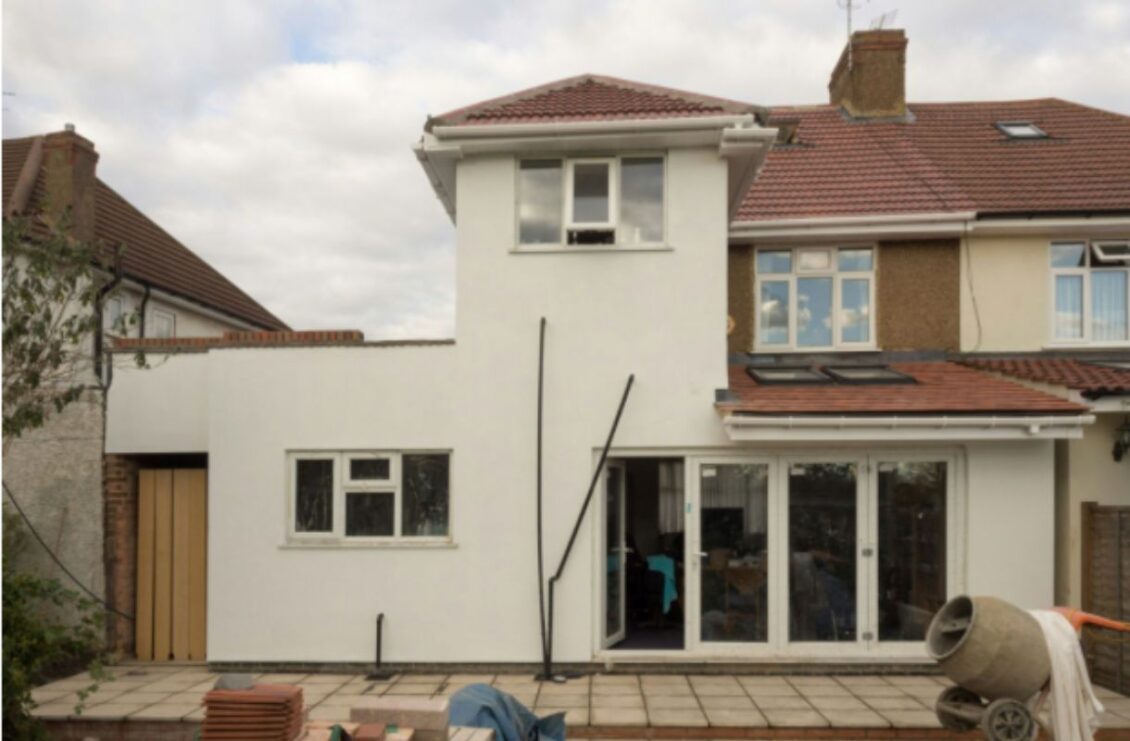
Energy costs, changing regulations and pressure on skilled labour are altering how extensions, roof work and renovation projects are planned across Wales. For homeowners, small commercial owners and developers, earlier decisions and better coordination are becoming more important.
Welsh building decisions are becoming more joined-up
The Welsh building and renovation market is changing in practical ways. Property owners are looking beyond a single repair or extension and considering how roofing, insulation, heating, renewable electricity and structural work fit together.
Welsh policy, wider UK regulation, running costs, regeneration activity and workforce availability are all shaping those decisions. The picture is noticeably different from three years ago, particularly where projects involve several trades.
Regulation is moving closer to everyday projects
From 4 March 2027, amended Welsh Building Regulations will require on-site renewable electricity generation for new dwellings and buildings containing dwellings. The change brings renewable generation, roof design and electrical provision into the specification process earlier.
That policy sits alongside the Welsh Housing Quality Standard 2023, regeneration activity across South Wales, higher household running costs and continued pressure on construction skills.
Working across Swansea and the wider region, Ridley Roofing and Building operates as a Swansea roofing and building contractor, covering roofing, structural renovations, extensions, exterior rendering and related building work. The business is listed on Checkatrade and undertakes residential, commercial and refurbishment work across South Wales.
According to a spokesperson at Ridley Roofing and Building, Welsh enquiries in 2026 are increasingly shaped by regulation, energy costs and contractor availability. Property owners are discussing how roofing, insulation, structural changes and external finishes should be sequenced before committing to separate packages.
England’s Future Homes and Buildings Standards and updated Approved Document L generally take effect from March 2027. They do not apply directly in Wales, but contribute to wider expectations around lower-energy construction.
The Building Safety Act 2022 has also raised expectations around competence, accountability and project information, although the higher-risk building frameworks and their implementation differ between England and Wales.
Commercial energy policy has changed since the brief was prepared. The proposed April 2027 EPC C deadline has been withdrawn. The current proposal is for privately rented non-domestic buildings over 1,000 square metres in England and Wales to reach EPC B from 2031, where cost-effective and subject to legislation.
Regeneration and housing activity across Swansea, Cardiff, Newport, Porthcawl and the wider M4 corridor continue to support demand, while workforce shortages remain a practical constraint.
Five practical trends shaping Welsh building work
Extensions shaped by hybrid working
Hybrid working has changed what many households expect from their homes. Kitchen extensions, loft conversions, garden rooms and conservatory upgrades are increasingly intended as permanent working and living spaces.
That raises expectations around insulation, glazing, ventilation and heating. Extra floor area is of limited value when the finished space is uncomfortable or expensive to use.
A stronger focus on roof insulation
Major roof work is increasingly linked to wider energy improvements. Owners are more likely to consider loft insulation, warm-roof construction, ventilation, rainwater management and solar readiness when repair or replacement is already required.
Older Welsh housing often needs careful assessment because structure, moisture movement and retained materials can affect the appropriate approach.
Small businesses planning beyond the MEES reset
Although the former 2027 commercial EPC C deadline no longer applies, energy performance remains relevant to small commercial owners.
Roof insulation, glazing, external finishes and building services may still affect running costs, tenant expectations and future compliance. The revised timetable allows more considered planning, but does not remove the need to understand the building’s present condition.
Solar moving into the design brief
The March 2027 renewable electricity requirement is already influencing new-build conversations.
Housebuilders, self-builders and developers need to consider orientation, roof layout, structural capacity, electrical infrastructure and maintenance access earlier. Solar is becoming part of the initial brief rather than an addition near completion.
Retrofit is becoming a coordinated programme
Retrofit is moving beyond individual measures. A project may involve insulation, glazing, ventilation, heating controls and renewable generation, with the sequence affecting overall performance.
Green Homes Wales offers eligible homeowners interest-free loans from £1,000 to £25,000 alongside funded expert support, encouraging property-specific planning rather than isolated upgrades.
Contractors are seeing more connected enquiries
“The enquiries are becoming more integrated rather than simply larger,” says a spokesperson at Ridley Roofing and Building. “An extension may involve structural alterations, roofing and rendering, while roof work can prompt questions about insulation and solar readiness. We are also seeing more interest in coordinating several packages within one realistic programme. Earlier engagement gives property owners and contractors more time to establish the sequence and responsibilities.”
This does not mean every project should be placed with one contractor. It does mean interfaces between trades should be understood before work starts.
The 2027 window still matters
Several regulatory and support dates converge around late 2026 and spring 2027, even though the commercial EPC C deadline has been withdrawn.
The Welsh renewable electricity requirement takes effect on 4 March 2027. The temporary zero rate of VAT on qualifying energy-saving installations is due to end on 31 March 2027, while the Workplace Charging Scheme is funded to the same date. ECO4 is scheduled to run until 31 December 2026.
These measures apply to different property owners, but together may increase demand for assessment, design and installation capacity. Owners considering eligible work should confirm current rules and completion requirements before committing to a programme.
Property owners need a practical order of work
The starting point should be an assessment of the property’s EPC rating, roof condition, insulation, external envelope and any apparent structural concerns. Priorities should follow condition and risk rather than appearance alone.
Contractor due diligence should include suitable insurance, relevant experience, clear warranties and identified site supervision. Depending on the work, owners may also consider CSCS verification, NFRC or FMB involvement, and Checkatrade or similar listings.
Coordinated work can also reduce disruption. An extension involving a new roof, or a renovation combining insulation and rendering, may benefit from being planned as one sequence.
Funding should be checked before the specification is fixed, as permitted measures, eligibility and deadlines vary.
Welsh capacity remains part of the picture
Wales continues to face the same broad workforce pressures affecting UK construction. Experienced roofers, bricklayers, plasterers, joiners and site supervisors may not be available at short notice.
Regional regeneration, continued social housing investment and the Welsh Government’s renewable-energy policy direction continue to support demand for skilled construction trades. The Welsh Housing Quality Standard and the new renewable electricity requirement are also likely to influence the type of work commissioned.
For property owners, early conversations allow more time for surveys, planning, quotations, approvals and realistic sequencing.
Better projects begin with earlier decisions
Welsh building and renovation work in 2026 is being shaped by regulation, energy costs, workforce capacity and a stronger preference for coordinated improvements.
The practical lesson is not to commission more work, but to assess what the property needs and arrange roofing, extensions, renovation and energy measures in the right order.
Welsh building work in 2026 rewards considered planning. Homeowners, small commercial owners and developers who engage experienced contractors early are generally better placed to secure suitable capacity, maintain quality control and achieve dependable long-term outcomes than those who leave key decisions until the closing months of a funding or regulatory window.
This article is for general information only and does not constitute technical, structural, regulatory, planning or construction advice. Building specifications and compliance should be developed in consultation with architects, structural engineers, contractors and appropriate specialists, with reference to the building regulations, statutory guidance and other requirements applying to the project in Wales. Ridley Roofing and Building is a Swansea-based UK roofing and building contractor.
