

Traffic speed compliance is a critical aspect of road safety in the United Kingdom. In 2020, over 50 million individual cars were observed in the production of speed statistics, reflecting extensive monitoring efforts. With millions of vehicles on the road, understanding trends in driver behavior, especially concerning speed limits and how many points for speeding can be incurred, can significantly impact policy decisions and road safety initiatives.
The data from recent years shows interesting trends. During the lockdown periods starting in March 2020, vehicle speed compliance statistics highlighted changes in driving patterns due to reduced traffic volumes. For instance, 66 million cars were observed for the July to September period of 2020, providing a detailed look at how the pandemic affected speeding behavior.
Police detections of speeding offences have also shown year-on-year changes. The statistics for 2020 to 2021 reveal not only the number of offences but also how they were detected, including the proportion identified by traffic cameras. This comprehensive data helps in analyzing and addressing speeding issues, aiming to enhance road safety across the nation.
Overview of Speeding in Great Britain
Speeding in Great Britain is influenced by a combination of speed limit laws, road networks, and traffic monitoring systems. The data highlights differences in compliance across various road types and speed regulations.
Speed Limit Laws and Regulations
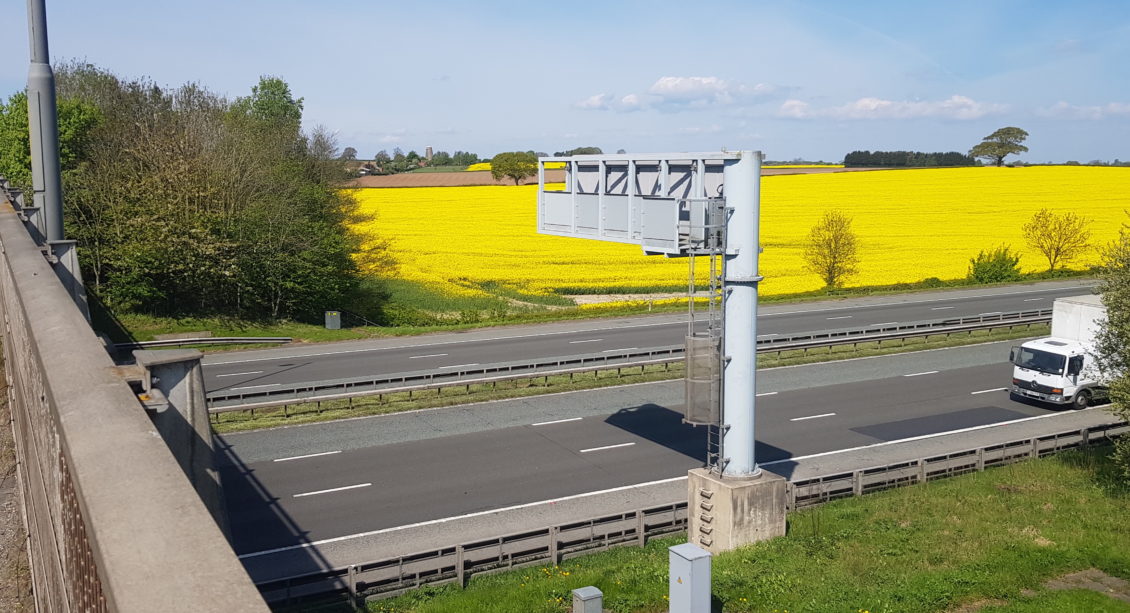
Great Britain enforces specific speed limits based on road types. Motorways usually have a 70 mph speed limit, while dual carriageways also follow this limit. Single carriageway roads typically have a 60 mph limit. Urban areas often have 30 mph limits to ensure pedestrian safety, with some zones designated as 20 mph areas for increased protection.
Enforcement mechanisms include speed cameras and automatic traffic counters. Speed cameras are placed strategically to deter speeding, while automatic traffic counters help gather data on traffic levels and speed compliance.
Compliance data from 2021 shows that nearly 48% of cars exceeded the speed limit. The proportion of drivers exceeding the limit by more than 10 mph was significantly lower: 10% on motorways, 5% on 30 mph roads, and 1% on 60 mph roads.
Road Network and Speed Limit Distribution
The road network in Great Britain varies widely, affecting speed limit enforcement. Motorways and dual carriageways represent major traffic arteries, designed for high-speed travel. Single carriageway roads are more common in rural areas and have different safety concerns, reflected in their 60 mph limit.
Urban areas utilize 30 mph and 20 mph limits to enhance safety for pedestrians and reduce accident rates. Speed limit compliance in these zones is crucial, with urban roads requiring strict enforcement to minimize risks.
Traffic levels impact speed monitoring, with data collected from various types of roads. For instance, in July-September 2020 alone, 66 million cars were observed, providing a comprehensive view of compliance trends across different road types and traffic conditions. This monitoring helps in adjusting policies and enforcement strategies to improve road safety.
Statistics and Analysis of Speeding
This section focuses on the annual statistics of speeding in the UK, trends in speed compliance and enforcement, and the impact of the COVID-19 pandemic on traffic and speeding behavior.
Annual Speeding Statistics
In 2022, data from the Department for Transport shows that 50% of car drivers exceeded the speed limit on 30mph roads. Meanwhile, 45% of drivers were over the limit on motorways, and 11% on national speed limit single carriageway roads.
Comparing this with 2021, speed compliance remained broadly stable since 2011. A noticeable exception was 2020, influenced by reduced traffic due to the COVID-19 pandemic.
Speed Compliance and Enforcement Trends
Surveys and statistics from the Department for Transport indicate consistent patterns in speed compliance. In 2021, camera detection was a significant method of identifying speeding offences, capturing a large proportion of violations. Automated Traffic Counters monitored free-flow speed statistics, reflecting long-term trends in driver behavior.
Speed limit compliance is influenced by enforcement measures, with specific efforts to increase detection and penalties in certain areas.
Impact of the Coronavirus Pandemic on Traffic and Speeding
The COVID-19 pandemic in 2020 had a notable effect on traffic levels and speeding patterns. With fewer vehicles on the road due to lockdowns, some drivers took advantage of clearer roads to exceed speed limits. This led to an anomaly in speed compliance statistics for that year.
Traffic levels and speeding behavior in subsequent years show a return to pre-pandemic patterns, though the 2020 data remains a critical point of reference for understanding deviations in annual trends.
Road Safety, Accidents, and Speeding Correlation
Speeding remains a significant factor in road safety, contributing to accidents and casualties. Accurate data and targeted measures are crucial for improving safety and reducing the impact of speeding on road traffic incidents.
Speeding-Related Accidents and Casualties
Speeding significantly impacts the number and severity of road traffic accidents. In the UK, speeding is a leading cause of road collisions, resulting in numerous casualties each year.
In 2021, there were 1,558 reported road deaths, with many linked to excessive speed. The rate of fatalities per billion vehicle miles was 5.2. Speeding increases the likelihood of severe injuries and deaths, especially in residential streets where vulnerable pedestrians may be present. Local authorities play a crucial role in monitoring and penalizing speeding to minimize accidents.
Driver Behaviour and Speed
Driver behaviour is influenced by various factors, including road type, vehicle compliance, and traffic conditions. Many drivers exceed speed limits due to time pressures or underestimation of risks involved.
Studies show that a significant portion of drivers do not comply with speed limits. For example, a 2021 report highlighted that 10% of car drivers exceeded motorway speed limits by more than 10 mph. Understanding these behaviours can help local authorities implement better road safety campaigns and strategies that encourage responsible driving.
Traffic Calming and Safety Measures
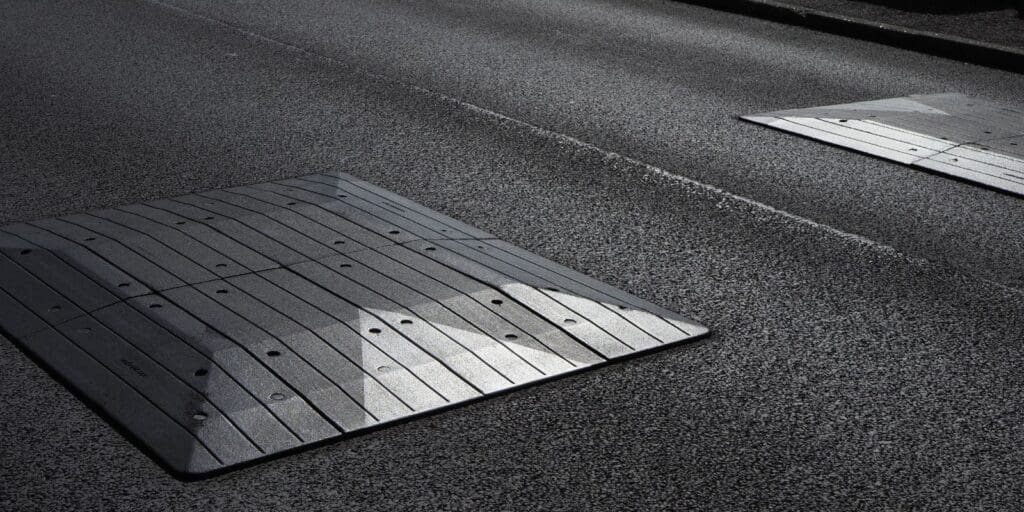
Traffic calming measures are essential tools for reducing vehicle speeds and enhancing road safety. Examples include speed bumps, chicanes, and narrowed lanes. These measures are effective in residential areas where the likelihood of pedestrian-vehicle interactions is high.
Smart motorways, employing variable speed limits and active traffic management, aim to smooth traffic flow and reduce accidents. Local authorities often implement these measures based on thorough analysis of road traffic statistics and casualty data to target high-risk areas effectively. By focusing on these interventions, there is potential to significantly decrease speeding-related accidents and improve overall road safety.
Educational and Preventive Measures for Speeding
Addressing speeding in the UK involves a combination of public education campaigns and advanced enforcement technologies to promote safer driving habits.
Public Campaigns and Driver Education
Public education campaigns aim to raise awareness about the dangers of speeding. Local authorities often collaborate with various organizations to design impactful campaigns. These campaigns use media such as TV ads, social media, and roadside banners to reach a wide audience.
Driver education programs are crucial. They offer drivers training on safe driving techniques and the consequences of speeding. Many programs integrate real-life stories from accident victims to underscore the potential dangers, making the messages more relatable and impactful.
The implementation of school-based programs teaches young people about road safety early on. This proactive education helps instill responsible driving habits before they even begin to drive.
Innovations in Speed Enforcement and Management
Speed cameras are a primary tool for enforcing speed limits. These devices can automatically detect and record speeding vehicles, making enforcement more efficient. Newer technologies like average speed cameras monitor a vehicle’s speed over a distance rather than at a single point.
Intelligent Speed Assistance (ISA) systems in vehicles provide warnings and can even automatically adjust the vehicle’s speed. Local authorities are increasingly utilizing these systems to reduce speeding on both urban and rural roads.
Other innovations include dynamic speed displays that show drivers their current speed and alert them when they exceed limits. These measures, combined with tougher penalties, act as significant deterrents against speeding. This combination of enforcement technologies helps ensure that speed limits are respected consistently across the country.
