

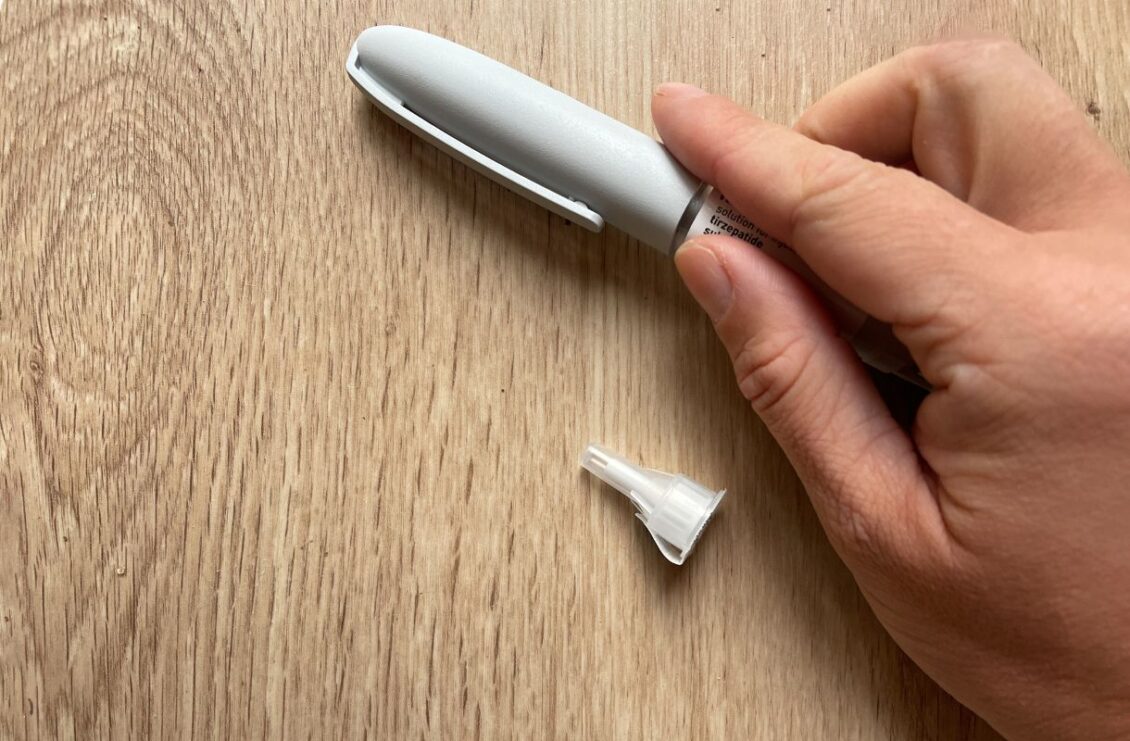
The NHS has recently updated its guidance on managing long-term health conditions, with particular focus on innovative treatment options like the Mounjaro pen. This injectable medication, containing tirzepatide, has gained significant attention within UK healthcare circles for its effectiveness in certain chronic conditions. Knowing how to properly use the Mounjaro pen has become increasingly important for patients who have been prescribed this treatment.
For many individuals facing ongoing health conditions, proper administration of injectable medications can seem daunting at first. The Mounjaro injection represents one of several treatment advances that require specific handling and administration techniques. Healthcare professionals across the UK are working to ensure patients receive thorough education about these newer treatment options, including step-by-step guidance on proper injection technique.
As treatment approaches continue to progress within the NHS framework, patients and healthcare providers alike are adjusting to these newer medication delivery systems. The proper use of tools like the Mounjaro pen requires care, from storage requirements to injection site rotation, all important factors in maximising treatment effectiveness and patient safety.
NHS Guidance on Mounjaro for Weight Management
The National Institute for Health and Care Excellence (NICE) recommends Mounjaro (tirzepatide) for certain adults with severe obesity. Eligibility is based on a BMI of 35 or greater and at least one weight-related health condition. Patients need a GP referral to a specialist weight management service for assessment.
National guidance explains that rollout for NHS services began in June 2025 in some regions. Access depends on local commissioning arrangements. NICE published its final draft guidance for Mounjaro in December 2024.
The NHS also has pathways for tirzepatide in type 2 diabetes, but eligibility criteria differ. Patients with diabetes who don’t meet weight management pathway requirements should not expect cross-cover between services. Each care route follows specific assessment protocols.
While private clinics and regulated online providers now offer access to the Mounjaro pen online, NHS patients should only use supplies from UK-regulated pharmacies or NHS prescriptions. This helps protect against counterfeit medication and improper use. The MHRA has issued warnings about falsified GLP-1 analogues in the private sector.
Proper Technique for Mounjaro Pen Injection
Careful use of the Mounjaro pen depends on correct technique. After washing hands, the pen should be left at room temperature before injection to help reduce discomfort. Examine the solution before use – it should look clear and colourless or slightly yellow with no visible particles.
Select an injection site such as the abdomen, thigh, or upper arm, always rotating areas to help prevent skin problems. Pinch a fold of skin and hold the pen at a 90-degree angle. Press the button down fully and hold it in place for five seconds, until the 0 icon appears in the dose window. Remove the needle and dispose of the pen in an approved sharps bin.
Storage and Handling Requirements
Keeping Mounjaro pens at the correct temperature is necessary for best results. Store unused pens in a refrigerator at 2–8°C. Do not freeze the pen and avoid leaving it in direct sunlight. After removing a pen from the fridge, it can stay at room temperature (below 30°C) for up to 30 days.
Write the date of first use on the label and follow this limit strictly. Never use the medication if it becomes cloudy or contains particles, as stated in official UK product guidance. These requirements are described in the Mounjaro User Manual.
For travel, plan to carry the pen in an insulated bag if refrigeration is not available. Bring proof of prescription when flying and check airline policies regarding travelling with medical devices. Pens exposed to temperatures outside the recommended range should not be used.
Managing Side Effects and Monitoring Progress
Some people experience gastrointestinal symptoms like nausea, vomiting, diarrhoea, or constipation, especially at the start of tirzepatide treatment. Site reactions such as redness, swelling, or mild discomfort may also occur but are usually temporary. Keeping a diary of symptoms and sharing them with a healthcare provider can help address side effects.
To limit digestive problems, eating smaller meals and drinking enough water may help. If severe or new symptoms develop such as ongoing vomiting, strong abdominal pain, or signs of an allergic reaction, seek urgent advice. Serious effects like pancreatitis are uncommon but need prompt medical attention.
Some side effects may improve gradually. Reporting and following clinical advice helps doctors tell the difference between common symptoms and reactions needing intervention, which supports safe ongoing use.
Dosage Progression Schedule
NHS guidance calls for gradual dose increases of Mounjaro. Prescriptions start at the minimum recommended dose, allowing time for side effect monitoring and assessment of progress. The starting dose is 2.5mg once weekly; after at least four weeks and if tolerated, clinical teams may increase the dose.
This is confirmed in both NHS and manufacturer instructions. The patient’s clinical team supervises any increase, only advancing when the initial amount is tolerated. This gradual approach may help reduce abrupt side effects and supports safety.
Those meeting tolerance criteria may have their dose increased as part of the clinical protocol. Providers regularly check progress, looking at changes in weight and the frequency of side effects. If side effects persist or the expected results do not appear, adjustments or pauses in dose escalation can occur.
Safety Considerations and Counterfeit Awareness
The MHRA has issued a warning about fake GLP-1 medications, including unauthorised Mounjaro pens, within the UK market. Purchasing only from regulated UK pharmacies using valid NHS prescriptions or from approved private providers may lower the chance of getting counterfeit or unapproved medicines.
MHRA alerts have highlighted the importance of staying away from unregulated sources for injectable weight loss medications. The Mounjaro pen online should only be obtained through legitimate channels.
Genuine Mounjaro pens include design features such as holograms, tamper-evident seals, and batch numbers. Patients should check for these elements on each package and report any suspected counterfeit items without delay. Any concerns should be raised through the MHRA Yellow Card scheme.
NHS clinics have circulated official leaflets warning of the risks linked to internet and social media purchases, with instructions to use only regulated supply chains. NHS and MHRA oversight helps protect the public through regulated supply chains and regular monitoring.
People using these medications should also stay alert and work with their healthcare teams. Avoiding unlicensed sources and keeping open communication with healthcare teams helps maintain proper treatment and safety with new injectable therapies.
