

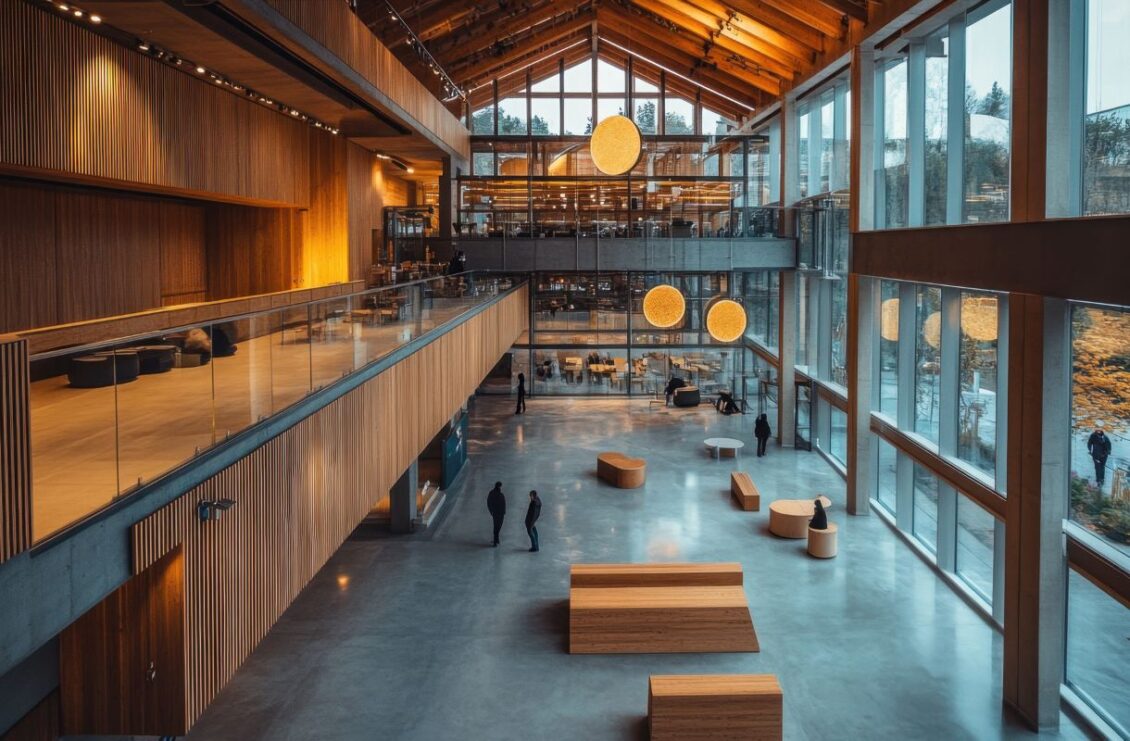
Modern venues carry a significant responsibility. Whether it is a theatre, a sports arena, a music venue, a hotel, or a community space, people enter expecting not only enjoyment but safety. As expectations shift and risks evolve, venue operators must take a fresh and more holistic look at the measures that protect visitors, staff, and performers. Effective venue safety today requires practical planning, thoughtful design, and continuous improvement rather than a checklist mindset.
Fire and Evacuation Safety Remains the Cornerstone
Fire safety continues to be one of the most important considerations for any venue. A proper fire risk assessment should be carried out regularly, especially when the layout or intended use of a space changes. Venues should think about how people move through the building, where they gather, and how quickly they can exit in an emergency.
Clear escape routes are critical. They need to be visible, unobstructed, well-lit, and easy for anyone to navigate, including visitors with limited mobility. Doors on these routes should be simple to operate under pressure and able to withstand heat long enough for people to get to safety. Many venues now upgrade key exit points with solutions such as steel fire exit doors, which provide a durable and reliable barrier that supports safer evacuation during a fire.
Signage, emergency lighting, and firefighting equipment, such as extinguishers and hose reels, all play a role in guiding people to safety. Fire doors help prevent the spread of heat and smoke and must be checked regularly to ensure they close properly and maintain their certification.
Smarter Crowd Flow Planning Prevents Avoidable Risks
Crowd management is not only about preventing disorder. It plays a vital role in evacuation planning and in reducing panic during an emergency. Venues must understand how visitors enter, leave, and move around, and they must plan layouts that reduce congestion.
Multiple exit points relieve pressure, and separating entrance and exit pathways helps prevent cross traffic. Panic-resistant features like crash bars make it easier for large groups of people to leave quickly and safely. It is also important to consider accessibility. Wide routes, ramps, refuge points, and trained staff can help ensure that those with mobility needs receive appropriate support.
Crowd flow should be monitored throughout events. When staff are trained to spot bottlenecks early and adjust the movement of people in real time, the risk of accidents falls significantly.
Security Preparedness Has Become Just as Important
Threats today are more diverse than in the past, and venues must adopt broader protective measures. This includes managing entry points, monitoring behaviour inside the venue, and preparing for a range of possible incidents. Good security is not only about equipment. It is also about decision-making, communication, and training.
Staff should be confident in how to respond to disruptive behaviour, suspicious items, or emergencies that require immediate action. Clear procedures help, but regular practice makes those procedures effective. Venues that use public address systems, CCTV, or real-time crowd monitoring gain valuable situational awareness that can help prevent incidents before they escalate.
Security measures must remain welcoming and unobtrusive. Most visitors will not consciously notice them, but they provide reassurance and contribute to the smooth running of the event.
Maintenance, Review, and Continuous Improvement
Safety is a long-term commitment. It requires regular maintenance, scheduled inspections, and a willingness to learn from each event. Fire doors, alarms, lighting, and exit signage all need ongoing attention. Even small faults can have serious consequences if left unresolved.
Post-event reviews can be extremely valuable. If queues formed unexpectedly or if an exit became blocked, these issues should be understood and addressed. Venues that encourage communication between managers, staff, and security teams create environments that evolve in response to real-world experience.
It is also important to design safety systems that include everyone. Young children, older visitors, and people with disabilities should all be considered when planning escape routes, signage, and communication methods. A venue that feels safe for the broadest range of people is a venue that earns trust and repeat visits.
The Bigger Picture: Safety as an Experience
Visitors rarely see the planning that makes a venue safe, yet they feel its effects. Calm staff, well-positioned signs, smooth crowd flow, and easy-to-understand instructions create a sense of comfort. When safety becomes part of the overall visitor experience, the venue becomes more enjoyable, more professional, and more resilient.
A modern safety strategy blends strong physical infrastructure with thoughtful processes and human-centred planning. Fire prevention, evacuation design, crowd management, and security readiness need to work together as one system.
