

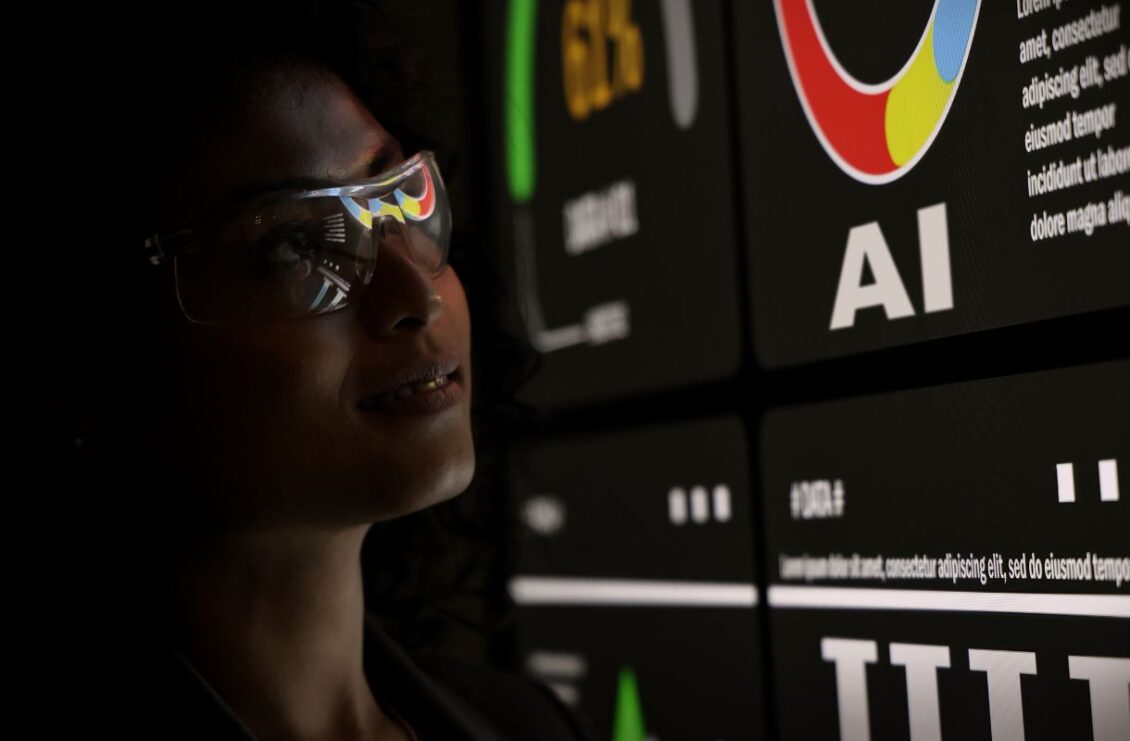
AI is getting enhanced and moving beyond simple chat boxes. New systems can read and react to their digital surroundings in real-time. They can combine data from text, images, videos, and sound like real polymaths. This is redefining the potential of intelligence.
Real-Time Visual Understanding
Modern multimodal systems are increasingly used to enhance fast-moving interactive platforms, where real-time updates and user-driven decisions matter. In such setups, features similar to those found in Melbet live casino help demonstrate how AI can interpret rapid visual, audio, and text inputs at once, adjusting interfaces and recommendations on the fly. These environments show how multimodal engines handle constant movement without losing accuracy.
At a broader level, platforms like Melbet illustrate how adaptive AI personalizes navigation, highlights relevant content, and predicts user intent based on combined signals. This approach reflects a wider trend: multimodal models now power digital spaces that rely on instant interpretation rather than simple text commands.
Interactive Experience Engines Powered by Multimodal AI
Forget clunky interfaces: multimodal AI brings digital interactions to life. These systems skillfully combine your various actions, such as voice commands and selecting an object on the screen, into a single, precise response. They analyze the flow of data to anticipate your needs, combining what you say and what you show.
Here are some examples of this synthesis in action:
- Smarter design assistance: you can voice your new logo idea as you are drawing a quick sketch, and the AI can instantly come up with fitting variations.
- Streamlined troubleshooting: the system listens to the error code that you speak and immediately pulls up the correct technical diagram based on the image that you uploaded.
- Contextual storytelling: AI builds up a personalized training session from your performance data and your comments that you have given recently.
And this combination of inputs is indicative of how easily multimodal systems can be used for complex, real-time tasks.
Foundations for Advanced Interactions
The new ability to work between different types of media will be at the core of improving how people and machines interact. The architecture will allow these models to create intelligent systems capable of complex cross-referencing.
Cross-Input Reasoning
The best of these systems can make meaningful connections by linking different, unregulated inputs. An AI might notice a frustrated facial expression in a video call and connect it to an issue mentioned in a support chat. This mix of visual, auditory, and text signals helps it understand the situation more accurately.
AI models have the objective to process information like people, integrating different inputs to understand information on a deeper level. With these improvements, the AI can transcend basic information to understand data that other models would miss. Instead of merely reading the text, the AI models understand the emotion and the form of the text at the same time.
Context-Aware Outputs
When an AI provides context-based responses, it customizes the output to the inputs and the scenario at hand. If a user uploads a complex diagram, the AI won’t just reply in text—it may annotate the diagram directly. In this case, the system delivers an actionable solution tailored to the specific problem.
This level of tailoring makes the AI solution actionable and readily usable by the user to solve the task at hand, in the media format of his/her choice. The response can be in the form of audio if the user is looking for a summary of a meeting to be recorded, or it can take the form of a video if the user is looking for a step-by-step guide to be provided.
Multimodal Tools in Daily Workflows
The efficiency of these AI tools is saving time in creative tasks. Imagine a marketer drafting a social media post: they can upload an image, add text, and let the AI adjust the tone for the target audience. This replaces work that once required multiple apps and considerable time.
This holistic approach allows one AI to extract key summaries from audio files or build documents from simple voice commands. Multimodal AI acts as a command center, managing different data formats and removing many digital bottlenecks found in complex workplaces.
What Comes Next
We are rapidly moving toward an era where AI not only assists but perceives and acts in all digital formats, becoming a true colleague rather than just a tool. These systems will soon become proactive partners that anticipate your needs, often before you realize them yourself. The next wave of AI promises lightning-fast integration and reliable real-time interpretation of vast amounts of data. This acceleration will make our digital lives as intuitive and deeply integrated as possible.
