

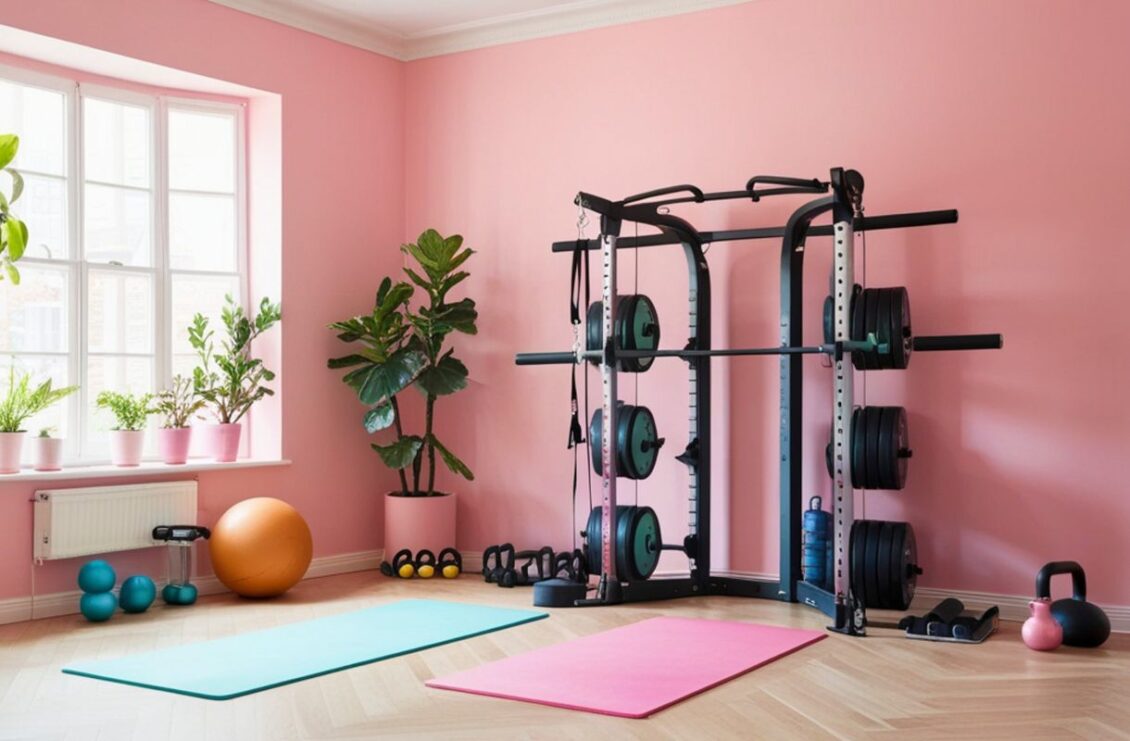
For years, the gym membership was seen as the default commitment to health. Joining meant structure, accountability and a dedicated place to exercise away from daily distractions. Yet across the UK, something has shifted. Fitness hasn’t become less important, but where people train has changed dramatically.
Instead of asking whether to exercise, more households are asking where it fits best into life. The answer increasingly points towards the spare room, garage, garden studio or even a corner of the living room.
This isn’t a rejection of gyms; it’s a reflection of how modern routines, working patterns and priorities have evolved.
The Lifestyle Shift Behind the Change
The biggest influence hasn’t been technology or trends but time. British working patterns now blend office days, remote work and flexible hours. Commutes vary week to week. Evenings are less predictable. Many people discovered that rigid training schedules clash with fluid lifestyles.
A traditional gym session often requires:
- Travelling there and back
- Waiting for equipment
- Adjusting to peak hours
- Planning around opening times
Individually these are small inconveniences. Together they turn a 40-minute workout into a 90-minute commitment. For parents, shift workers and busy professionals, that difference decides whether exercise happens at all.
Home training removes the gap between intention and action. The moment motivation appears, the workout can begin.
The Psychology of Consistency
Health improvements rarely come from perfect workouts; they come from repeated ones. What many people found is that convenience beats intensity when it comes to long-term progress.
At home:
- Short sessions happen more often
- Missed days feel easier to recover from
- There’s less pressure to perform
- Exercise becomes routine rather than event
Instead of ‘going to the gym’, movement blends into daily life. A set before work, another after lunch, stretching before bed. These small interactions create a steady rhythm that feels sustainable rather than demanding. Consistency is the real fitness goal. Home environments make consistency easier.
Privacy and Confidence
Gyms can be motivating spaces, but they can also feel intimidating. Beginners frequently worry about using equipment incorrectly, feeling judged or comparing themselves to others.
Training at home changes the emotional experience of exercise. Without observation, people experiment more freely. They learn movements properly, repeat basics patiently and focus on technique instead of appearance.
Confidence often develops faster in private than in public. Once people trust their ability, they may later choose to attend gyms again, but now as a choice rather than a requirement.
The Equipment Gap Has Closed
In the past, home training meant compromise. Light dumbbells and improvised workouts couldn’t replicate structured strength training. Today, that distinction has largely disappeared.
Modern home setups allow progressive overload, the key principle behind strength and conditioning. Adjustable benches, racks and barbell systems provide the same training foundation used in professional facilities.
Many households now invest once rather than paying indefinitely. A setup built around reliable equipment such as Mirafit’s home gym rack package gives the flexibility to squat, press and pull safely while growing stronger over time.
Instead of limiting exercise, home equipment expands it. The training becomes personalised rather than shared.
Financial Thinking Has Changed
A gym membership spreads cost monthly, which feels manageable. But over years, people began reassessing value rather than price.
Typical considerations now include:
- Membership fees over multiple years
- Fuel or travel costs
- Parking charges
- Time lost commuting
A home setup represents upfront investment but long-term ownership. Families can share it. Schedules never restrict it. The cost stops accumulating.
This mindset mirrors broader UK spending behaviour, where people increasingly prioritise durable purchases over ongoing subscriptions.
Shorter Workouts, Better Results
Research and experience now agree on something reassuring: workouts don’t need to be long to be effective.
Twenty focused minutes of resistance training produces meaningful adaptation. Many home trainers follow brief, repeatable routines rather than occasional intense sessions.
Because home exercise removes preparation time, short workouts actually happen. Consistency produces the results people originally hoped gym membership would create.
The Rise of Strength Training at Home
Cardio once dominated home exercise through running or cycling. The real change is strength training moving indoors.
Strength training improves:
- Joint stability
- Bone density
- Posture
- Long-term mobility
- Injury resilience
These benefits matter more with age, and the UK population is becoming increasingly aware of preventative health rather than reactive health.
When strength training is available at home, it becomes part of life maintenance rather than a specialised hobby.
