

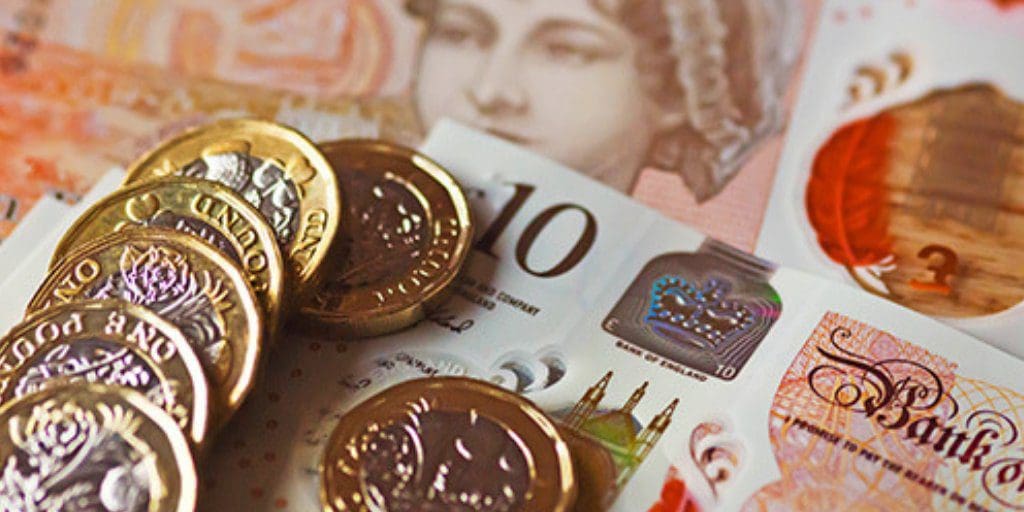
Hollywood actor Michael Sheen has taken a striking step to support people struggling with unsecured debt by buying and forgiving around £1 million of their loans, using more than £100,000 of his own money to clear what they owed.
Sheen said he wanted to ease the pressure on people dealing with financial stress and to shine a light on the hardships many face with mounting bills and credit obligations.
How did Michael Sheen cancel people’s debt?
Sheen partnered with a charity that specialises in buying unsecured personal debt. These organisations typically purchase debt for much less than the original amount owed, often at a fraction of its face value.
Once in control of the debt, the charity has the option to enforce repayment or, as in this case, cancel it. Sheen’s donation helped the group buy debts and then formally write them off, meaning the individuals involved no longer had to pay what was owed. This action effectively lifted a significant financial burden from hundreds of people’s shoulders.
Sheen has spoken publicly about wanting to make a difference to ordinary people who face financial strain, particularly at a time when the cost of living has been squeezing household budgets. Many borrowers struggling with unsecured debts feel caught in a cycle of repayments and interest, using payday loans and credit cards, and this can affect mental health and wellbeing.
By cancelling this debt, Sheen aimed to give a fresh start to those affected and to draw attention to wider issues in how debt affects everyday lives.
Who benefited from the debt write-off?
The programme targeted individuals with unsecured debt problems, often from high-interest credit cards or personal loans. These types of debts can be particularly hard to manage, especially when interest builds quickly and monthly payments remain high.
The exact number of people helped was not stated in every report, but estimates point to hundreds of borrowers seeing their obligations cleared as a result of Sheen’s intervention.
Reaction has been very positive from people who have heard about or directly benefited from the debt write-off. Many who face unsecured debt report stress and anxiety linked to repayment pressure, so the gesture has been welcomed by consumers and advocates alike. It also highlights broader conversations about the fairness of high-cost borrowing and the impact of personal debt on wellbeing.
How common is it for individuals to have their debts bought and cancelled?
A spokesperson for The One Stop Money Shop commented: “Buying and cancelling personal debt is not widespread, but it has been used by charities and social enterprises in recent years as a way to give relief to indebted people.”
“These organisations often acquire large portfolios of low-value unsecured loans at discounted rates and decide on how to proceed case by case. Where the goal is social impact rather than profit, debts can be written off entirely.”
“Its a very useful thing to help local residents who may never get out of the debt cycle. Other opportunities that can help in the short-term include using 0% credit cards to delay repayments for up to 24 months, using debt consolidation loans or working with local credit unions.”
“There are also government schemes to help with debt and speaking to National Debtline is a good starting point.”
Does this kind of action affect the broader debt market?
Individual acts of debt forgiveness like Sheen’s are unlikely to change the wider behaviour of lenders or the structure of regulated credit markets on their own.
However, they can spark public debate about how unsecured lending operates and what support systems exist for people under financial pressure. In recent years, concerns about high interest rates, late fees and aggressive lending practices have gained more attention, alongside calls for stronger consumer protections.
Sheen has said he hopes his action encourages empathy and practical support for people facing financial hardship.
By taking a direct approach to relieving personal debt, he has shone a spotlight on the emotional as well as financial burden that such liabilities can impose. It also reminds the public and policymakers that behind every statistic about household debt are real people struggling with everyday costs, choices and challenges.
In summary, Michael Sheen’s purchase and cancellation of around £1 million of unsecured debt is a high-profile example of individual philanthropy aimed at relieving financial strain. While not a solution to the structural issues of personal finance, it has helped hundreds of people and stimulated wider discussion about debt, wellbeing and fairness in credit markets.
