

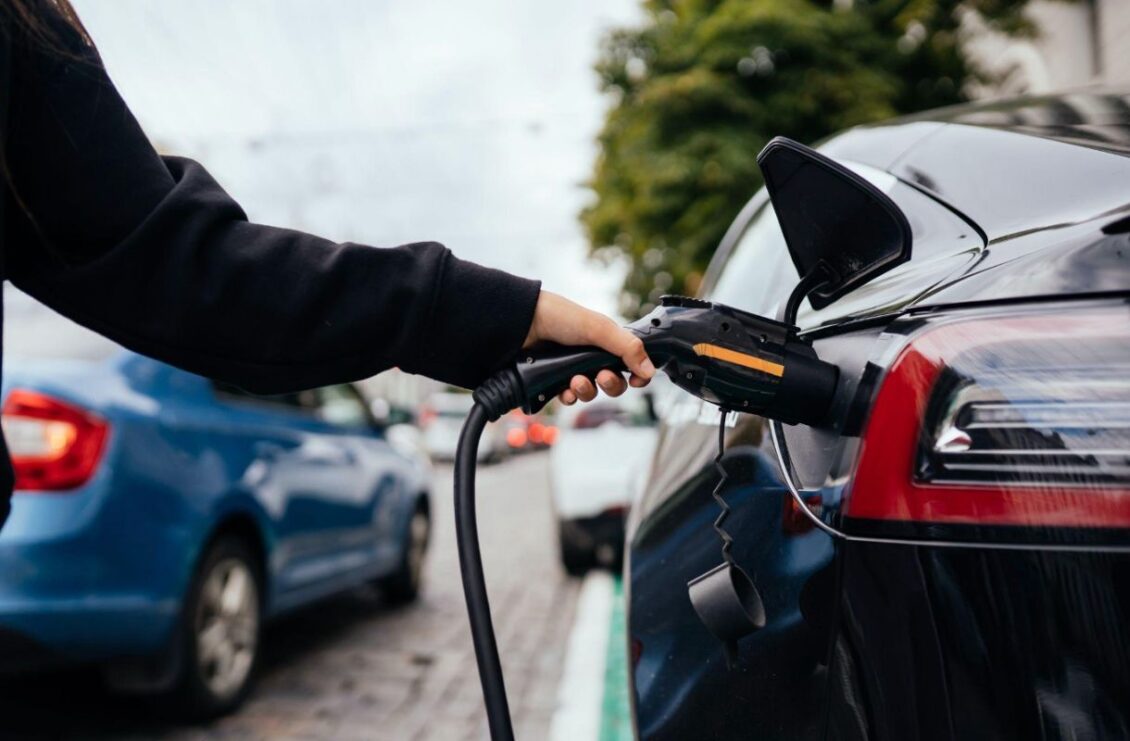
Electric vehicle (EV) registrations across the UK soared to record levels in 2025, and the trend is now reverberating right across Wales. Nearly a quarter of all new cars registered nationally were fully electric last year, and industry forecasts suggest even higher adoption through 2026 as charging infrastructure expands and businesses adapt to changing transport demands.
For drivers, homes and companies in Wales, the implications are already beginning to shape travel patterns, workplace planning, and local investment.
2025 Set the Pace, 2026 Looks to Accelerate
Across the UK, around 473,000 battery electric cars were registered in 2025, representing the highest number ever in a single year and a marked increase from 2024. Analysts now predict that in 2026, electric cars could make up almost 30% of all new vehicles sold, continuing the market’s rapid shift toward zero-emission driving. This is being driven by bigger EV model choices, falling battery costs and growing confidence in long-distance travel range.
That shift matters for Wales not just in statistics but in daily life. Welsh drivers who were previously hesitant about electric ownership are now finding themselves part of a broader transition that includes improved infrastructure, support schemes and business uptake.
Charging Infrastructure: The Welsh Growth Story
One of the biggest concerns for EV adoption in Wales has been charging access, especially outside major urban centres. Recent investment – both Welsh Government-led and private – has helped fill charging gaps along arterial routes and within key towns. Ultra-fast hubs and local authority-supported on-street points are boosting confidence that long journeys across Wales are feasible without range anxiety. This is critical as forecasts point to continued sales growth through 2026.
However, access challenges remain in many rural communities, where drivers face longer distances and fewer dependable charging points compared with city dwellers.
Business Takes Notice: EV Charging Isn’t Just for Cars
For Welsh businesses, the rise in electric vehicles brings both opportunity and practical decisions. Forward-thinking companies are increasingly installing workplace and customer charging points, not just as an added convenience but as part of strategic sustainability planning.
That’s where experts such as The Full EV come in.
Founded in Cardiff, The Full EV specialises in commercial and business EV charging solutions, offering consultative planning, installation, software management and compliance support for organisations looking to future-proof their operations.
Insight from the Experts
“Electric vehicle growth isn’t just about selling more cars,” says Leighton Davies, director at The Full EV. “It’s about supporting businesses, workplaces and communities to adapt with the right charging infrastructure. Whether a company is planning workplace charging for staff or installing public-facing points for customers, we help tailor solutions that align with both environmental goals and commercial needs.”
Leighton adds that commercial charging stations are now strategic assets for companies that want to attract environmentally conscious customers and retain top talent, with EV charging increasingly seen as a marker of progressive corporate sustainability. Offered features such as usage monitoring, smart energy management and integration with on-site renewables help make chargers more than just parking add-ons – they become part of broader energy planning.
What This Means for Welsh Homes and Businesses
As 2026 unfolds, Wales is poised to embrace the next wave of electric vehicle adoption:
- Welsh households will continue seeking reliable home charging options, with smart meter integration and off-peak tariffs becoming part of everyday planning.
- Local authorities will expand charging points to meet rising demand and improve rural accessibility.
- SMEs and corporate fleets will increasingly electrify vehicles, supported by grants and strategic installations tailored to their size and operation.
- Tourism and transport sectors will look to maximise charging access at visitor hubs and accommodation sites to support longer stays and overnight charging needs.
Electric vehicles are now more than an environmental commitment. They are becoming part of Welsh economic strategy, community planning and daily life – as much a part of future mobility as paved roads.
Record sales are just the beginning. If the 2026 outlook holds true, Wales could soon see electric vehicles move from early adoption into everyday mainstream reality.
