

While Wales is not necessarily the name that comes to mind in terms of digital entertainment, the facts point to a different conclusion altogether. From Cardiff to Wrexham, the transition from physical to digital leisure has been in line with the overall speed of the UK. It began with connectivity, accelerated post-pandemic, and the rules are now being adjusted to accommodate this new reality. What is unique to Wales, however, is that it is at a crossroads in terms of a market that is not only increasing in size but is also being shaped by changes in the law that will dictate its experience in the coming decade.
How Welsh Adults Are Spending Leisure Time Online
The National Survey for Wales indicates that there has been a steady increase in digital engagement across all age groups. In all, 63% of Welsh adults have been involved in gambling in the past year, with 11% having bet online and 11% having played either bingo machine or table game variants. There has been a general increase in free time engagement with interactive digital platforms, and betting is part of that.
The reason that this figure has been so high is that it has not been limited to one specific demographic. Both young people seeking instant gratification and entertainment in easily digestible bites, as well as older people seeking easily accessible free time engagement, have contributed to these figures.
The supporting infrastructure has improved immensely. The expansion of broadband coverage to even the most rural areas of Wales has helped to increase the scope of this engagement. Rural areas that used to have limited free time engagement options can now enjoy these platforms as easily as people living in large urban areas. The reason that this has been so important to the expansion of digital free time engagement is that it is no longer limited to areas near urban centers.
The Uk’s Wider Digital Betting Environment
To put Wales in perspective, we need to understand the larger market that is the UK. In 2024, the gross yield of all online products in the UK market will amount to approximately £6.5 billion, indicating that 40% of all gambling revenues in the UK come from remote gambling, suggesting a trend towards online gambling in the UK.
Currently, the UK Gambling Commission licenses over 200 bookmakers and 200 online casinos that offer legal gaming in the country, and their regulations are considered to be the best in the world.
When we look at the international market, the online gambling industry is no less exciting, with the industry being valued at approximately $105.5 billion in 2025, of which 48% is comprised of sports betting, while 57% of online gambling is carried out via mobile and tablet devices, similar to what is being reported in the UK and Wales.
Greyhound Racing Markets: A Segment Under Structural Change
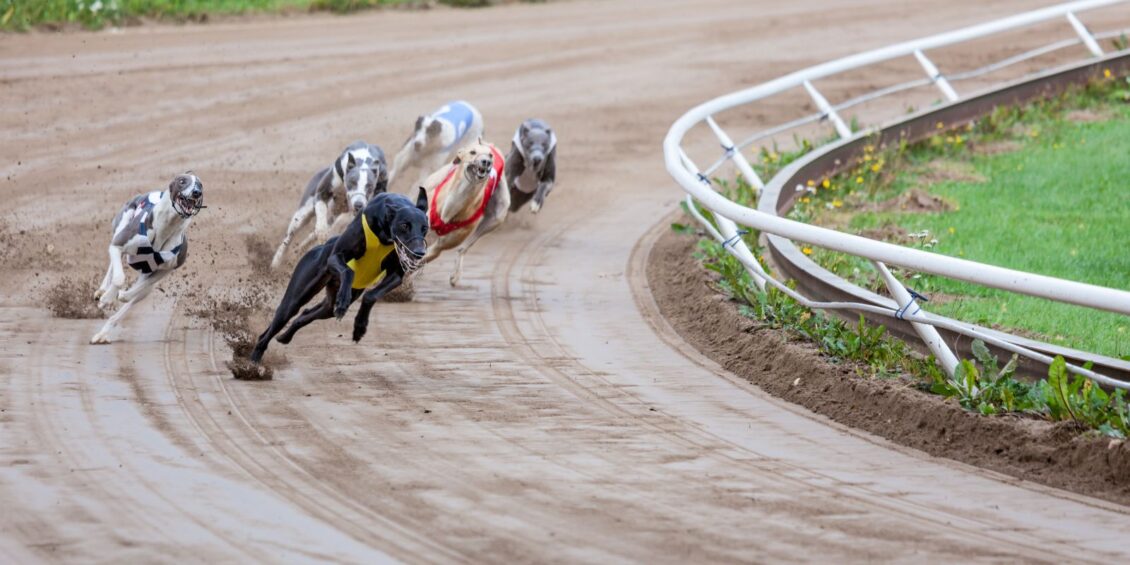
In Welsh digital betting, greyhound racing is at a crossroads: it has a rich history but is also in a state of rapid flux. It has been a part of the UK’s betting culture for decades, and it is set to mark a century in the business in 2026.
However, in Wales, it is set to be banned, and a bill is in the works in the Welsh Parliament. The bill has a set timeline for implementation: no earlier than 1st April 2027. The route to final approval is looking set and has the support of the majority in the Welsh Parliament.
This creates a rather curious anomaly in the world of Welsh betting. If Welsh punters are currently betting on the dogs, they are doing so via digital means that allow for UK, Irish, and international races. This will continue regardless of what happens to the physical races in Wales. The legislative route is about the location of the races, not the location of the punters. For the digital punter, the only effect is the reduced number of relevant race meetings.
The market itself remains broadly active across the UK. Operators offer several formats when it comes to Greyhound racing betting odds, and the range of available bets extends well beyond a simple win selection. The standard bet types available on most major UK platforms include the following:
- Win. A straightforward bet on which dog finishes first. The most common entry point for new bettors.
- Place. The dog finishes in one of the top positions – usually first or second in standard races, first through third in fields of six or more.
- Each-way. A combined stake covering both win and place. If the selection wins, both parties pay. If it is placed only, the winning portion is lost.
- Forecast. The bettor selects which two dogs will finish first and second in the exact order. The reverse forecast covers both possible finishing orders.
- Tricast. Selecting the first three finishers in the correct order. Greyhound racing betting odds are substantially higher given the difficulty of the prediction.
- Antepost. Placed before the market fully forms on race day, often on major events like the English Greyhound Derby or the St Leger.
Each format comes with its own reward and risk profile. Top bookmakers offer deep markets that include trap comparisons, time-based betting to predict whether the race will end within a specified time, and virtual greyhound races that take place beyond the regular race schedule.
What the Market Looks Like Across Different Bet Types
The table below outlines the main characteristics of Greyhound racing odds formats currently offered by licensed UK operators:
| Bet type | Odds range | Risk level | Typical availability |
| Win | 2/1 – 10/1+ | Low–medium | All platforms, all races |
| Place | Shorter than win | Low | All platforms, standard races |
| Each-way | Split stake | Medium | Widely available |
| Forecast | Variable | Medium–high | Most UK-licensed bookmakers |
| Tricast | High | High | Major race meetings |
| Antepost | Long odds, early | High | Featured events only |
| Virtual racing | Fixed odds | Low–medium | 24/7 on most platforms |
Greyhound racing odds shift quickly as race time approaches. Trap position, recent form across comparable track lengths, draw statistics, and kennel data all feed into how lines move in the hours and minutes before the off. Experienced bettors frequently compare prices across multiple operators before placing, particularly on races where one dog opens as a clear favourite and odds are likely to compress.

The Regulatory Pressure Reshaping Digital Leisure
The Remote Gaming Duty increase – moving from 21% to 40% in April 2026 – will affect how operators price products and structure promotions across the UK. Greyhound racing, which depends heavily on its commercial relationship with the betting industry, is particularly exposed to this change. The increase in Remote Gaming Duty will affect how operators price products across the board. Greyhound racing is particularly exposed, given how heavily the sport relies on its commercial relationships with the betting industry for continued financial sustainability.
For Welsh leisure consumers, the combination of these factors – the pending track ban, the duty increase, and the general tightening of responsible gambling requirements – does not eliminate online betting as a leisure activity. It changes the conditions under which that activity happens. Platforms are adapting by building out responsible gambling tools more prominently. These include deposit limits that activate by default, session reminders, and automated referrals to GamCare or Gamble Aware when usage patterns cross defined thresholds.
Where Leisure Goes Next in Wales
The path that digital leisure is taking in Wales can be seen to be unfolding on two tracks. One is that consumers are increasingly leaning towards digital forms of betting, gaming, and interactive forms of entertainment, fueled by easier mobile access, increasingly sophisticated platform interfaces, and increasingly comfortable consumers making digital payments. The other is that legislative efforts are lifting consumer protections to higher heights and, in the case of greyhound racing, even reducing physical venues.
The practical effect of all this is that by 2026 and beyond, digital forms of leisure that Welsh consumers can engage with would seem to be inherently digital. There would be all forms of sports betting, including international greyhound racing from tracks in Australia, Ireland, and the US, even if Welsh tracks shrink or shut down. There would also be casino games, live dealers, and virtual sports that operate on regular schedules around the clock. More options to engage with on the digital side, fewer options on the physical side.
For anyone engaging with the market in Wales, however, the basic choices remain the same: pick a platform that has been licensed by the UK Gambling Commission, understand how different forms of bets work, establish your own limits before you start to bet, and understand that it’s all about entertainment on your budget. Wales has all the digital capabilities to support all of this, and it’s all being built up to match.
