


Why taking care of teeth is now part of the bigger health picture
For too long, dental health in Wales was talked about as something cosmetic – white smiles, straight teeth, and aesthetics. But recent discussions around tightening NHS dental access, waiting lists and capacity pressures have forced a shift. Oral health is increasingly being framed as a critical foundation of overall well-being, not just a matter of appearance.
Across the UK, studies show that poor oral health is linked with a rising tide of preventable conditions such as gum disease, systemic inflammation, heart health impacts and complications with diabetes. In other words, what happens in your mouth does not stay in your mouth. With access to routine check-ups less predictable, frontline prevention and daily self-care have never mattered more.
For many people in Wales, this lifestyle reframing hits close to home: when regular dental appointments can be hard to secure, daily habits become a frontline defence of long-term health.
Local expert insight: simple habits make a measurable difference
According to dentists at Cedars Dental Surgery Cardiff, consistent daily hygiene and regular professional care work hand-in-hand to protect more than just teeth.
“Good oral care is much more than avoiding cavities,” says the team. “A healthy mouth supports digestion, reduces inflammation and helps protect overall well-being. Simple routines like brushing with fluoride toothpaste twice a day, cleaning between teeth and catching early issues at check-ups can prevent more serious health problems later on.”
Dentists emphasise that regular professional cleanings and check-ups help remove plaque in places brushing alone can’t reach, and identify early signs of gum inflammation before they develop into deeper health concerns. Early detection reduces the need for more complex treatments and supports confidence and comfort in everyday life.
A lifestyle reset in Welsh homes
With rising awareness of oral-systemic links, experts are urging people to keep oral care part of a balanced health routine:
- Brush teeth thoroughly for at least two minutes, twice a day, using fluoride toothpaste.
- Clean between teeth daily with interdental brushes or floss.
- Cut down on frequent sugar exposures, including acidic drinks and snacks.
- Seek professional guidance at the first sign of trouble rather than waiting for pain.
These everyday practices matter even more in a climate where accessing routine dental appointments can be challenging.
Sugar, diets and health outcomes
Lifestyle factors such as diet and hidden sugars are also central to the evolving discussion. Affordable processed snacks and sugary drinks are easy to consume frequently, and the resulting enamel wear accelerates decay and sensitivity. Dental experts warn that reducing sugary snacking between meals can dramatically decrease acid attacks on teeth and lower the risk of decay.
Confidence, comfort and quality of life
Oral health affects much more than eating and speaking. It ties into self-esteem, social confidence and even employability. In Wales, where small-to-medium enterprises and community interaction are central to daily life, a healthy smile is more than cosmetic – it’s part of personal presentation and wellbeing.
Dentists like those at Cedars Dental note that regular dental care, paired with good daily habits, can help not just prevent disease but support lifelong confidence.
Practical steps every Welsh reader can take
In a period where NHS dental access is under strain, dentists urge people not to wait until pain drives them to seek help. Routine self-care, preventive habits and professional check-ups when possible help protect teeth, gums and – ultimately – overall health.
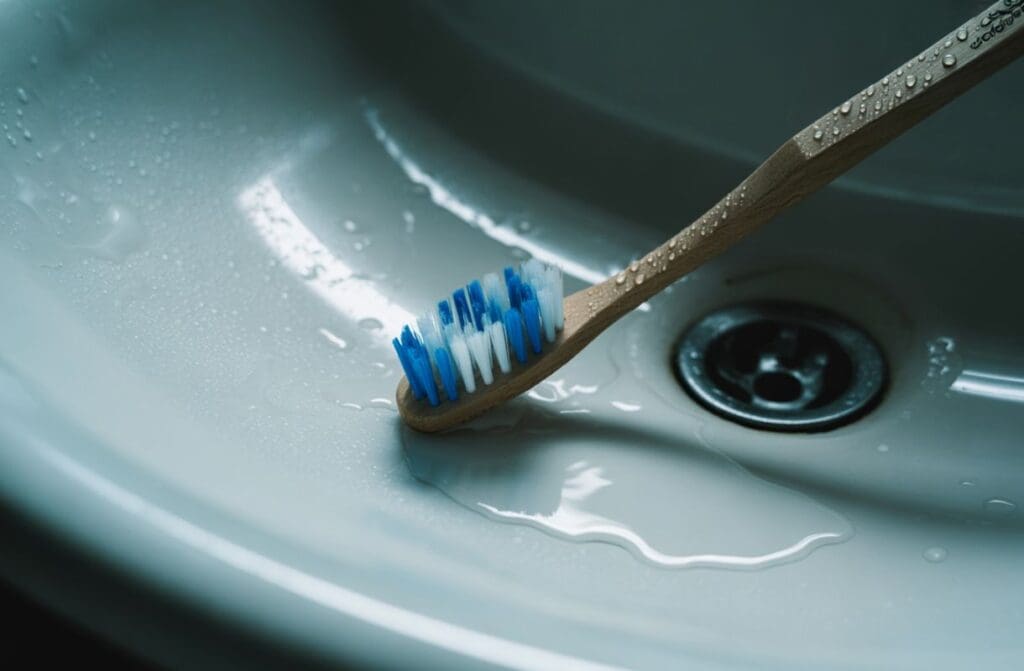
The toothbrush stops being a bathroom accessory. It becomes a frontline health tool.
