

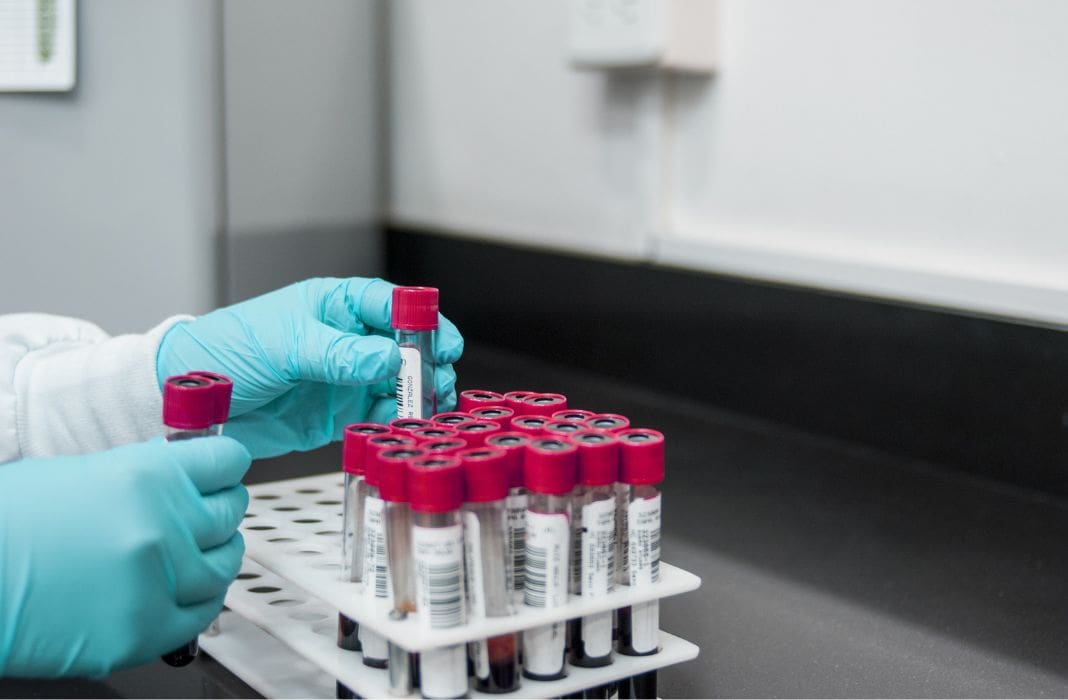
Life sciences M&A activity reached $220 billion across 193 transactions by late November 2025, surpassing 2024’s full-year total, according to Deloitte’s Life Sciences M&A Trends Report 2026. Clinical trial data are at the center of most of these reviews. It substantiates the scientific and regulatory basis for the value being transacted: the efficacy, safety, and regulatory pathway a compound or therapy has already traveled.
A due diligence checklist built for general M&A doesn’t capture the integrity, format, and confidentiality requirements specific to that data. Gaps discovered late can affect valuation or delay closing. Biotech and pharma dealmakers increasingly treat clinical trial data as its own biotech M&A due diligence track, not a subset of general document review.
Why clinical trial data requires its own due diligence track
Clinical trial data needs a dedicated review track because it substantiates the scientific and regulatory basis for a deal’s value in ways financial or legal diligence categories don’t.
- Financial diligence confirms what a company earns; clinical data confirms whether the underlying science holds up.
- Clinical data integrity matters as much as ownership. Reviewers need confidence that the data reflects what was actually observed, not just that it’s properly licensed.
- Regulatory submission status tied to the data set adds a review dimension that general M&A diligence doesn’t require.
What reviewers typically assess in clinical trial documentation
A clinical trial documentation review typically spans three categories: trial design records, regulatory correspondence tied to the data, and the contractual terms governing who owns and controls it.
- Trial protocols, statistical analysis plans, and the raw data sets supporting reported outcomes.
- Regulatory correspondence and submission history are tied to the specific data set under review.
- CRO agreements, including the data ownership and access terms set during the original trial.
Confidentiality and competitive sensitivity of clinical data
Clinical data carries competitive weight long after a trial ends. Confidentiality controls matter as much during diligence as they did during the study itself.
- The data represents years of R&D investment and stays commercially sensitive during active discussions around a biotech licensing agreement.
- Staged access and redaction matter more here than in most diligence categories, since several partners may review the same data set during a competitive process.
- Confirm that CRO and clinical site agreements permit disclosure to a licensing partner or acquirer before it’s shared with a counterparty.
Data integrity verification before and during review
Verifying data integrity starts with confirming trial records meet the reliability standard the FDA expects of electronic systems and records. Under the FDA’s 2024 guidance on electronic systems, records, and signatures in clinical investigations, that standard now explicitly extends to CRO-provided systems and services.
- Confirm audit trails showing who accessed, modified, or annotated trial data throughout its lifecycle.
- Check consistency between summary reports and underlying raw data sets, since discrepancies are a common red flag.
- Verify the chain of custody for data transferred between the CRO, the sponsor, and any prior licensing partners.
Choosing a data room built for life sciences-specific review
Clinical trial documentation volumes and confidentiality needs differ meaningfully from a typical M&A document set. That’s why more deal teams now rely on healthcare virtual data rooms built for staged access and clinical-grade audit logging, not generic file-sharing tools.
These platforms typically support redaction, granular permission tiers, and detailed activity logs, along with version control that keeps CRO-sourced files aligned with the sponsor’s master set. A well-structured platform supports a pharma due diligence process where several reviewer groups need different levels of visibility into the same data set, as the table below shows.
| Reviewer group | Typical access need |
| CRO partners | Raw data sets and protocol documents tied to the portion of the trial they ran |
| Regulatory consultants | Submission history and regulatory correspondence relevant to filing strategy |
| Internal deal team | Full visibility across the data set to support valuation and negotiation |
| Outside counsel | Contractual terms and disclosure provisions in CRO and licensing agreements |
Reviewers who only need summary-level data, such as most regulatory consultants, shouldn’t default to full raw-data access: narrower permissions reduce both exposure risk and review time.
Confirm that the platform can scale access as the deal expands from a small internal team to a broader bidder group. It should also record every document view and download, creating an audit trail that regulators or acquirers may need after closing to verify who accessed what and when.
Common mistakes in clinical trial due diligence
Four mistakes account for most of the friction in clinical data diligence. Each tends to surface at a different stage of the review, often only after the data room is already built and populated with documents.
| Mistake | Consequence |
| Treating clinical data as a document category to check off | Reviewers confirm files are present without verifying integrity against the original trial records |
| Overlooking CRO agreement terms that restrict disclosure | The deal can stall after the data room is already built, once counsel flags the restriction |
| Failing to reconcile the regulatory submission status against the data package | Outdated or incomplete filings surface late in the process and delay closing |
| Granting broad, undifferentiated access instead of tiering permissions by role | A competitively sensitive data set reaches a wider audience than the deal actually requires |
Most of these mistakes trace back to timing. Verification tasks skipped early tend to resurface during final review, when there’s far less room to renegotiate terms or extend the timeline. Building the check into the review plan from kickoff is more effective and considerably less costly than adding it once the closing date is fixed.
Clinical trial data deserves its own due diligence track in biotech licensing and M&A deals, distinct from standard financial and legal review. It substantiates the scientific value being transacted and carries confidentiality and integrity requirements that a general M&A checklist doesn’t fully address.
Deal teams that verify data integrity, confirm disclosure rights under CRO agreements, and structure reviewer access appropriately protect both the deal’s value and the underlying research investment behind it.
That’s why reconciling regulatory submission status against the actual data package, rather than assuming the two already match, closes one of the more common gaps before it reaches a term sheet. As licensing and acquisition activity in biotech continues to grow, treating clinical trial data management as its own workstream, not a subset of general document diligence, has become a practical necessity for corporate development, regulatory affairs, and clinical operations teams alike.
