

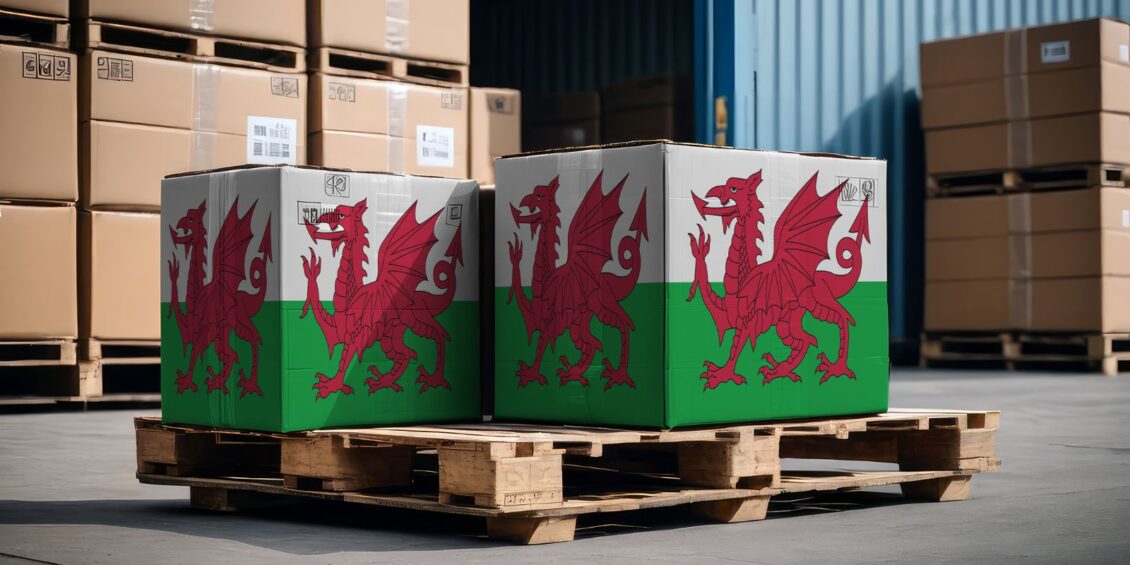
Importing goods from Europe offers Welsh businesses the opportunity to access a diverse range of products and competitive prices, helping them grow and stay ahead in their sectors. European imports are made simple when companies use an experienced UK freight forwarder who can handle transportation and customs clearance. Many Welsh businesses are discovering that importing can boost efficiency, reduce costs, and provide access to new markets.
How European Imports Work for Welsh Businesses
Step-by-Step Import Process Simplified
For companies, importing from Europe starts with sourcing reliable suppliers, confirming product quality, and agreeing on terms. Once these details are arranged, goods are collected by a freight forwarder, who manages the journey from collection through to the delivery point in Wales.
What Documents Are Needed?
Key documentation for European imports includes commercial invoices, packing lists, and transport insurance. Since January 2021, customs declarations and duty payments are required for all goods imported to the UK from the EU. A skilled freight forwarder will help prepare and submit these documents, ensuring HMRC compliance and reducing errors.
Choosing the Right Transport Method
For shipments between the UK and Europe, businesses typically use road freight, which is efficient for full truck loads (FTL), less than truck loads (LTL), and groupage (when smaller consignments are combined). This approach helps businesses save money and time, especially for urgent or frequent shipments.
Key Takeaways:
- Using experienced UK freight forwarders makes importing accessible to businesses of any size.
- Essential paperwork includes invoices, packing lists, and customs documentation.
- Groupage and LTL services help smaller enterprises keep costs down.
The Benefits of Importing for Welsh Businesses
Why Importing Matters
European imports can help Welsh businesses remain competitive in their markets, offering access to innovative materials and high-quality products unavailable in the UK. By sourcing directly from European suppliers, businesses reduce overheads and improve their product ranges, catering to ever-evolving customer preferences. UK exports and imports with the EU still make up a big share of total trade. In 2024, around 41 per cent of all UK exports of goods and services went to the EU, while 51 per cent of UK imports came from the EU.
Saving Costs and Maximising Choices
Importing enables businesses to benefit from lower manufacturing costs and bulk purchase discounts. Increased product variety means companies can offer unique items, standing out in local and international markets. Many Welsh SMEs have seen a measurable improvement in profitability by opening up to European supply chains. For example, a North Wales furniture retailer reported a 15% increase in profit margins after switching to a Polish supplier in 2023.
How to Overcome Common Importing Challenges
Importing goods does present challenges, especially for SMEs unsure about customs, delivery times, or documentation errors. Delays and mistakes can be costly. The key solution is to work alongside a UK-based international freight forwarder. They manage logistics, tackle customs regulations, and can arrange groupage services to reduce the risk for first-time or smaller importers.
Practical Tips for Smooth European Imports
- Research and vet suppliers thoroughly before making any purchases.
- Partner with a UK freight forwarder who understands the specific requirements of Welsh businesses.
- Ensure all documentation is accurate, especially concerning customs clearance.
- Choose transport options that match the volume and urgency of your shipment.
- Monitor delivery times and maintain open communication with all parties.
Key Takeaways:
- Access to wider product choices enhances competitiveness.
- Bulk discounts and lower production costs drive better margins.
- Reliable logistics partners reduce common risks and delays.
Using a UK Freight Forwarder for Hassle-Free Imports
Streamlining European Imports for Welsh Companies
A trusted UK freight forwarder acts as an extension of your business, handling every step from collection to delivery and customs processing. Businesses new to importing often find this professional support invaluable. UK-based forwarders are well-versed in the requirements of Welsh companies, providing tailored solutions that reflect local needs and specific routes.
What Services Do Freight Forwarders Provide?
Freight forwarders typically arrange road transport for shipments between the UK and Europe. They can consolidate loads, ensuring cost efficiency for less-than-truck-load consignments. They also oversee customs clearance, providing guidance to reduce errors and administrative burdens.
How to Choose the Right Partner
When selecting a freight partner, look for experience, connections across Europe, and clear advice on customs compliance. Seek recommendations from other Welsh businesses and ask for service level commitments in writing. By collaborating with reputable partners, even complex supply chains become manageable.
When considering freight to Europe, choosing a specialist with proven customs clearance experience can be transformative for new and established importers.
Key Takeaways:
- Freight forwarders simplify logistics and paperwork.
- Road freight is reliable for UK-European shipments, including full or part loads and groupage options.
- Bespoke solutions are available for businesses across all Welsh regions.
Maximising Success When Importing from Europe
Welsh businesses seeing the greatest success are those who prioritise careful planning and work with partners who understand both the local and European landscapes. From reviewing compliance documentation to tracking shipments throughout transit, organisations are able to minimise costly delays and protect their supply chains.
- Stay updated with new customs rules – check the latest HMRC announcements to ensure compliance.
- Use groupage when testing new products or suppliers to control costs.
- Evaluate the freight forwarder’s responsiveness and problem-solving skills during initial enquiries.
As of 2024, digital logistics tracking and automated paperwork have made imports faster and more transparent, supporting Welsh businesses in achieving dependable growth.
Conclusion: Taking the First Step Towards European Imports
Whether importing to expand your product range, secure better prices, or streamline your supply chain, Welsh businesses have much to gain from linking with the European market. By partnering with UK-based international freight forwarders, even SMEs can import confidently, knowing they will receive full support from collection to clearance and delivery. Taking the first step is often the hardest, but with experts to guide each stage, your business can unlock new opportunities and build resilience in a changing market environment.
Explore professional resources and consider expert help for your next shipment – staying informed and supported makes European importing accessible to all Welsh businesses.
